Eurofighter AMK – Exclusive Air-to-Air Photos of IPA7 During the EFEM Flight Test Campaign
Most air-to-air photography missions document aircraft as they appear in operational service. Occasionally, however, they capture a moment that only years later reveals its true significance. Such was the case during this air-to-air mission over southern Germany, when I had the opportunity to fly aboard a German Air Force C-160 Transall to photograph one of the most unusual Eurofighter modification ever flown.
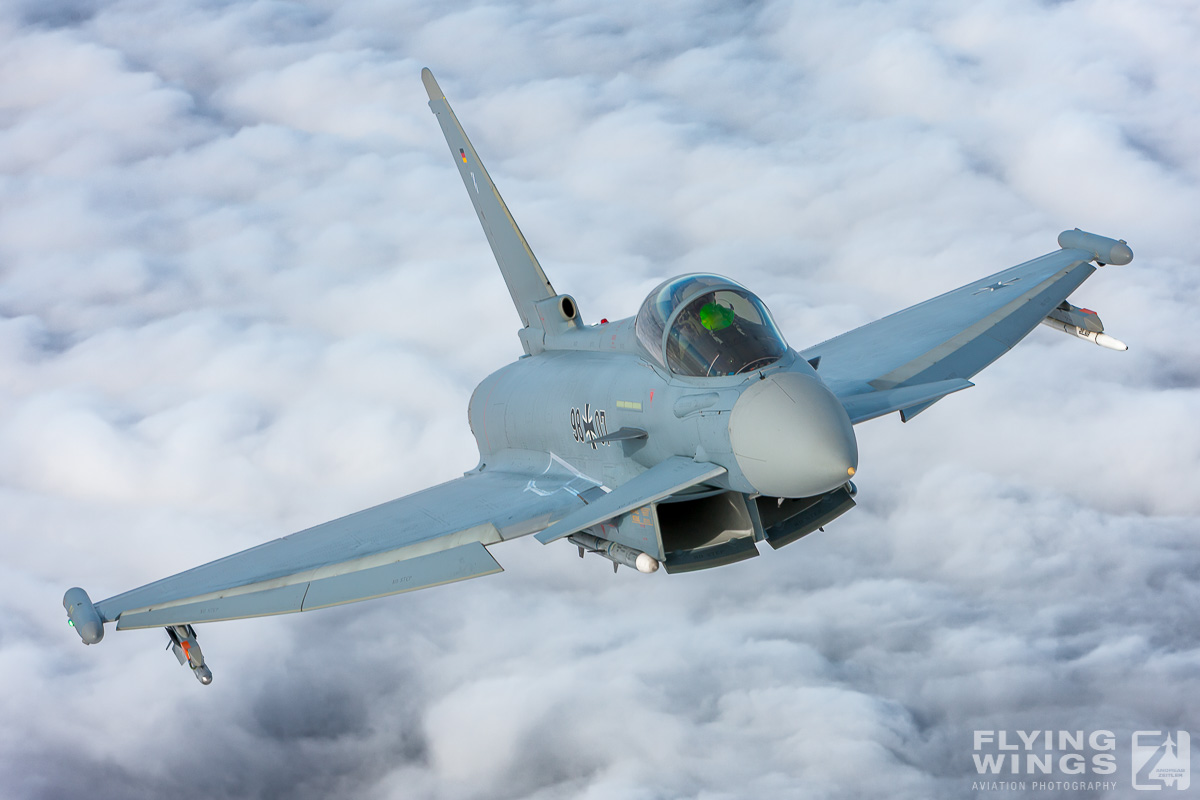
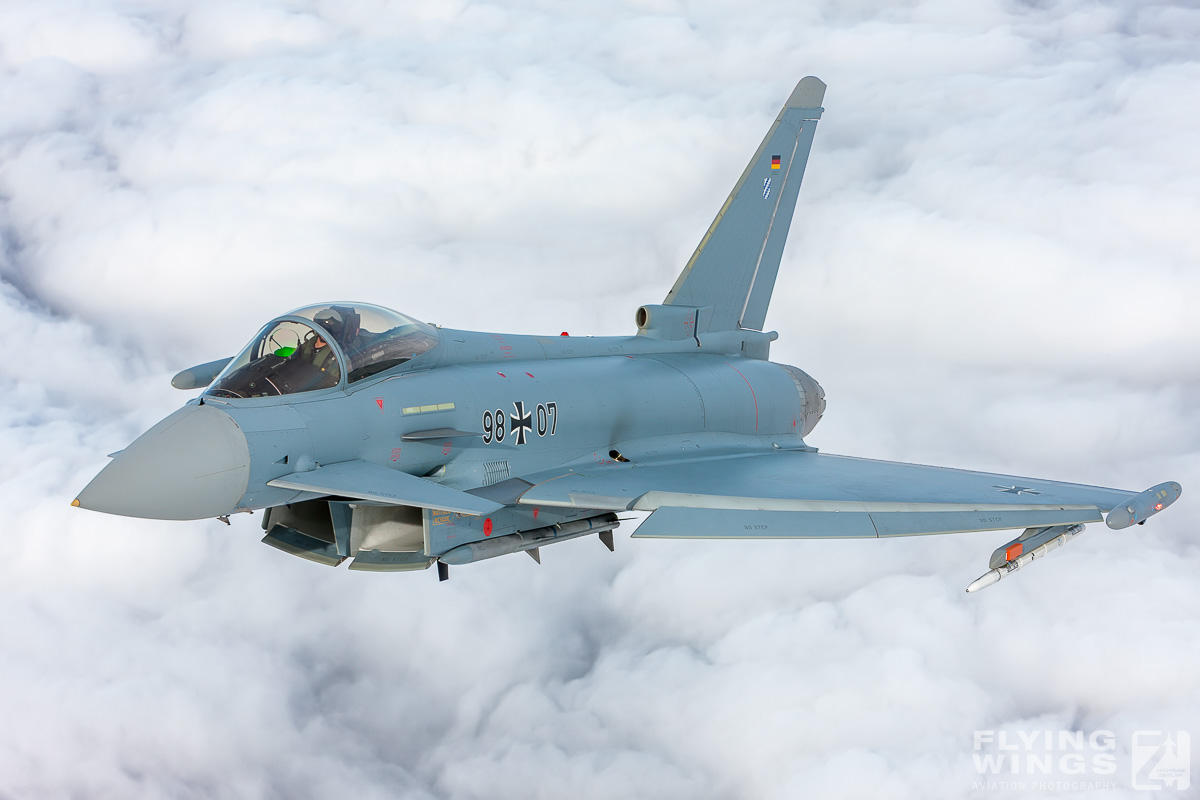
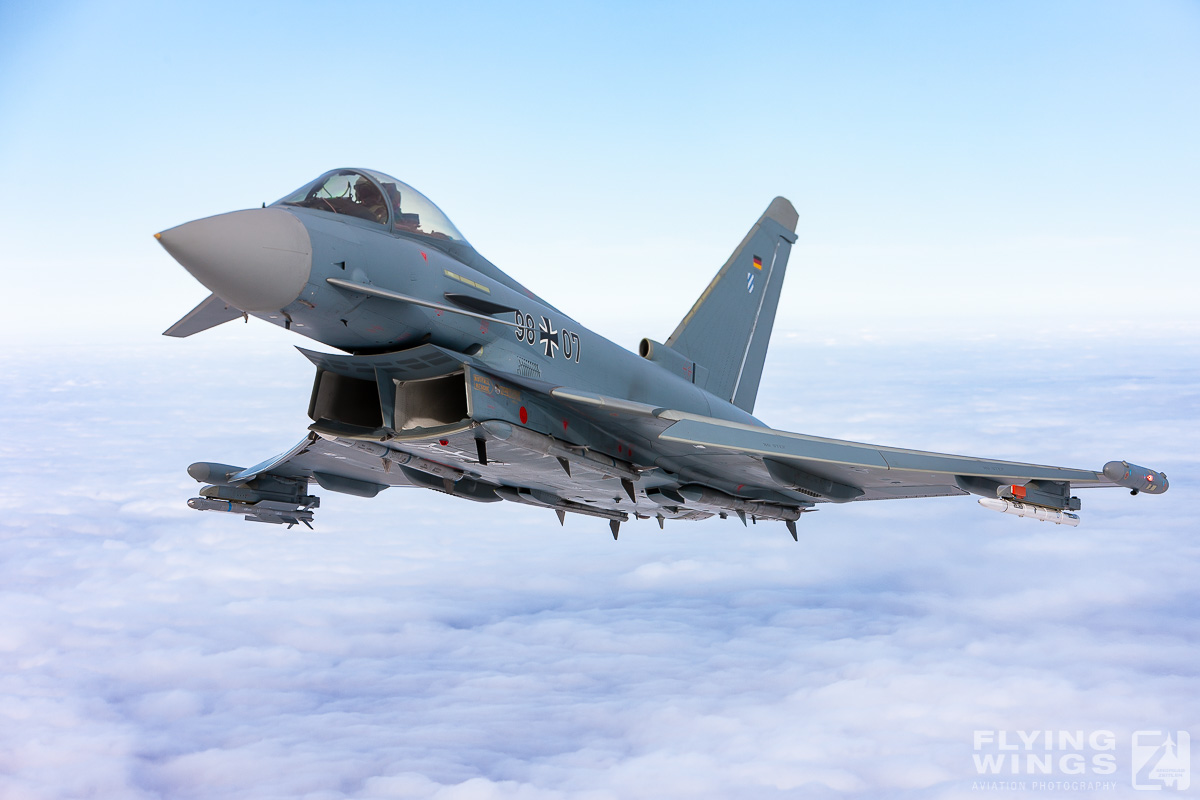
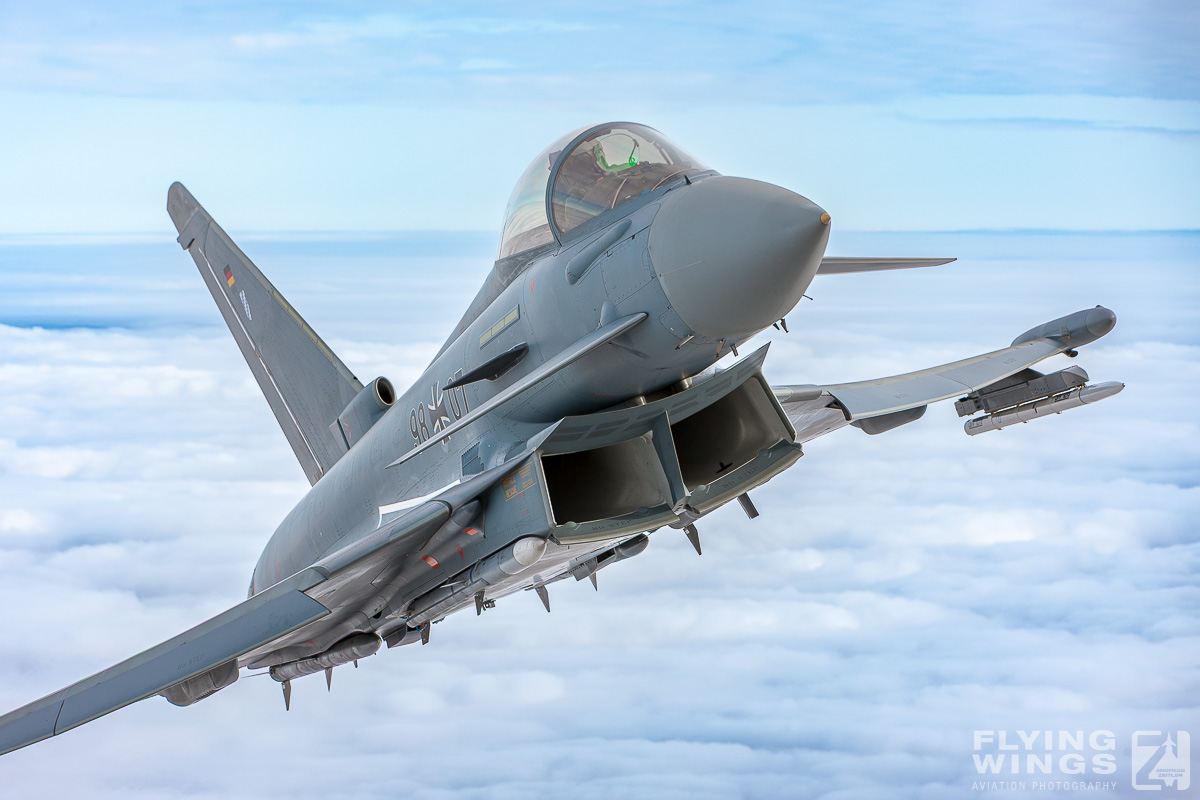
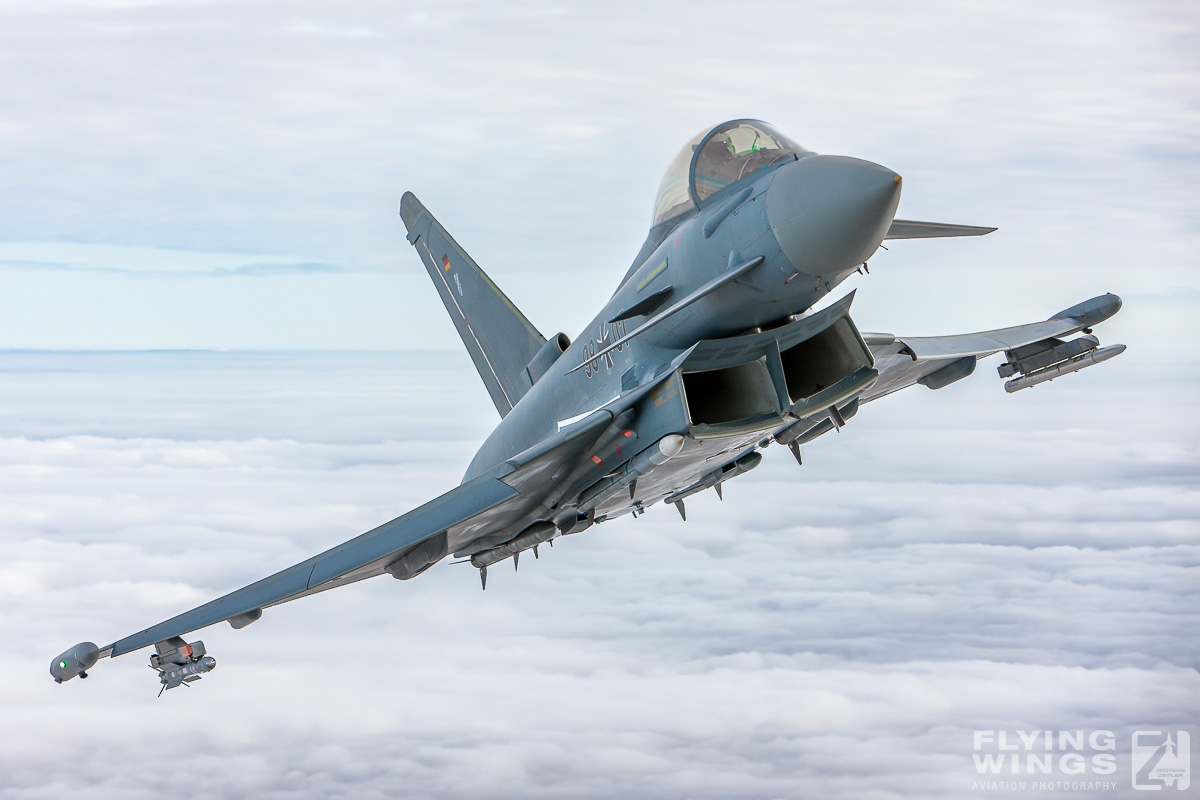
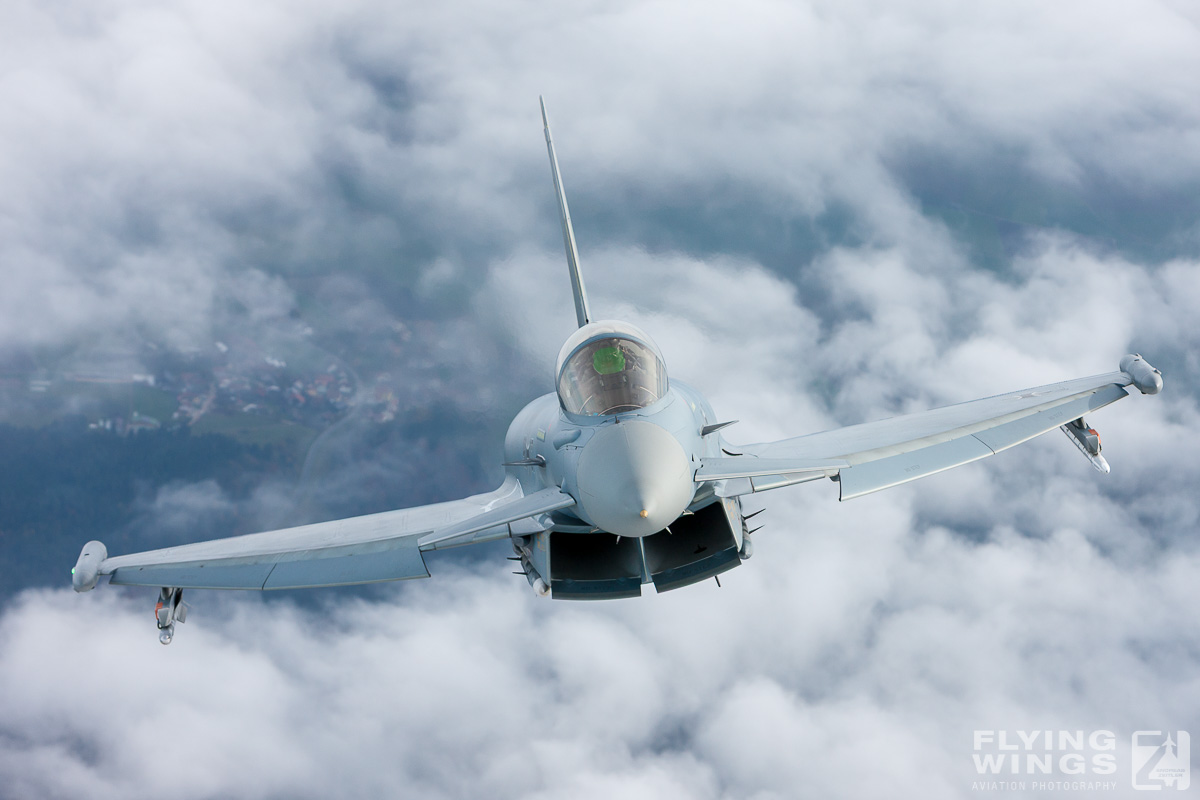
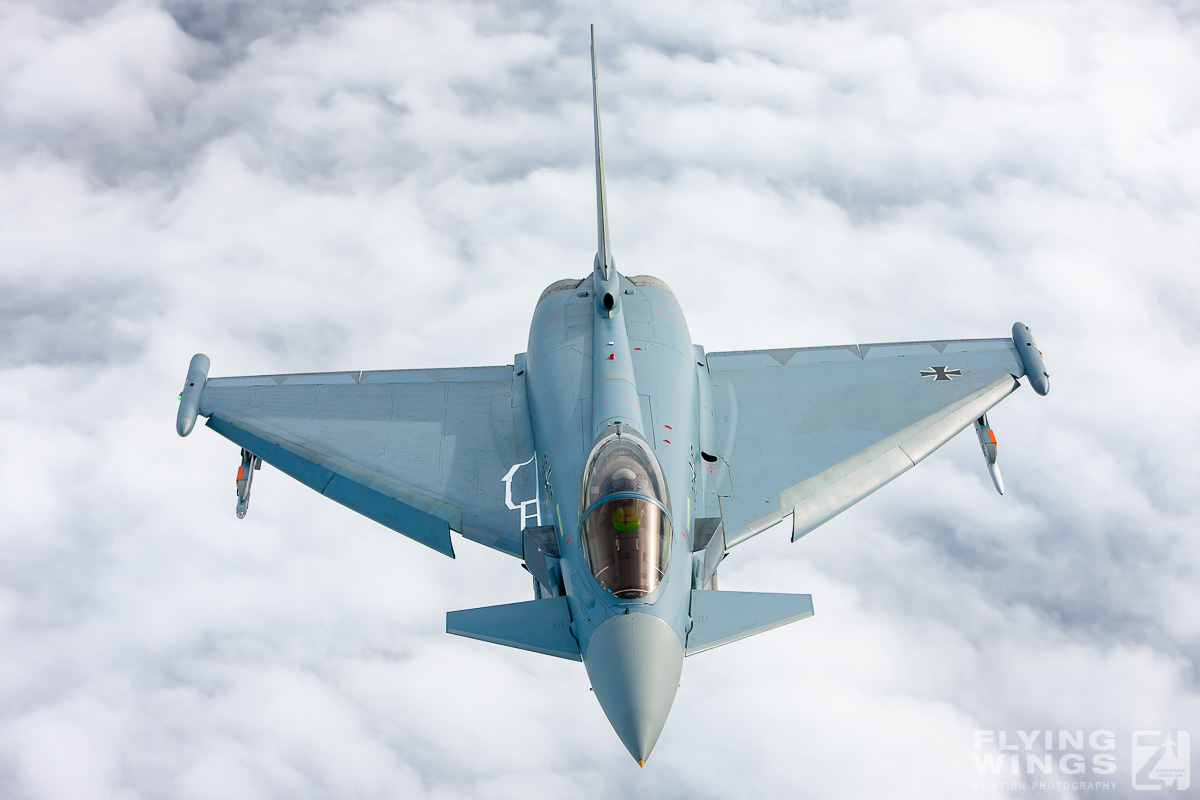
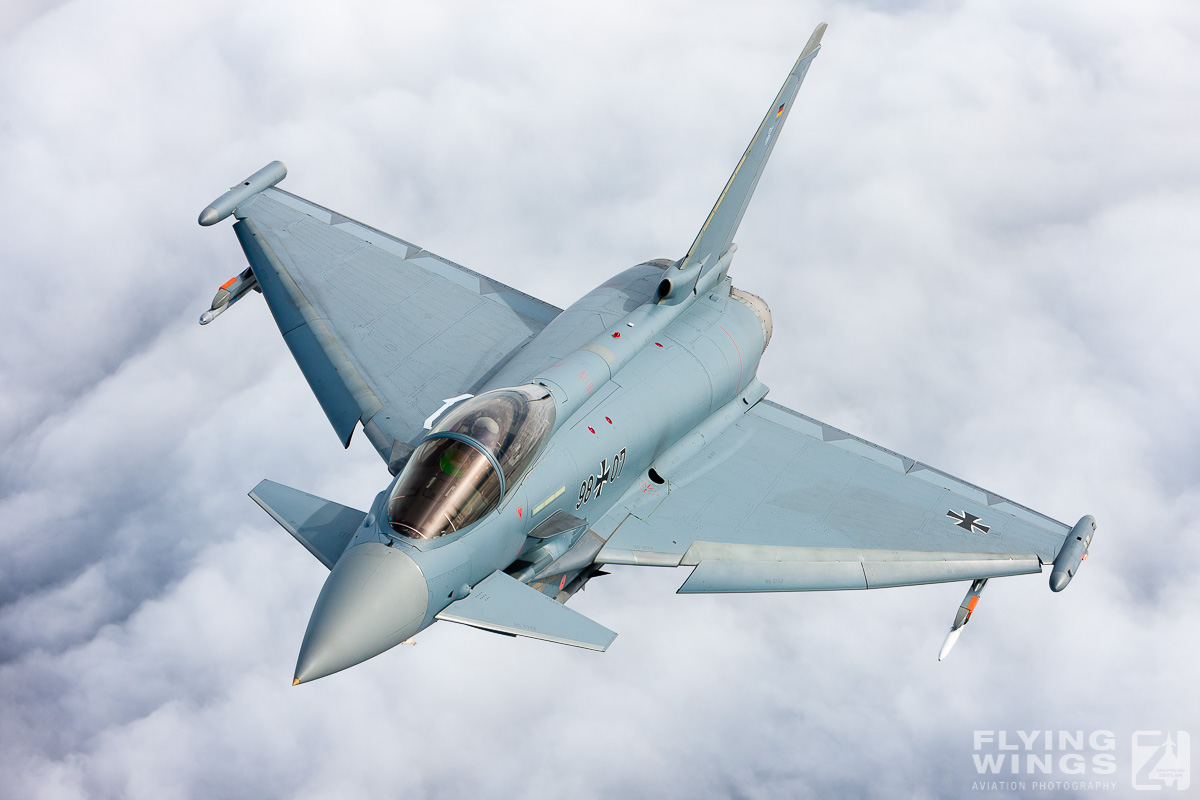
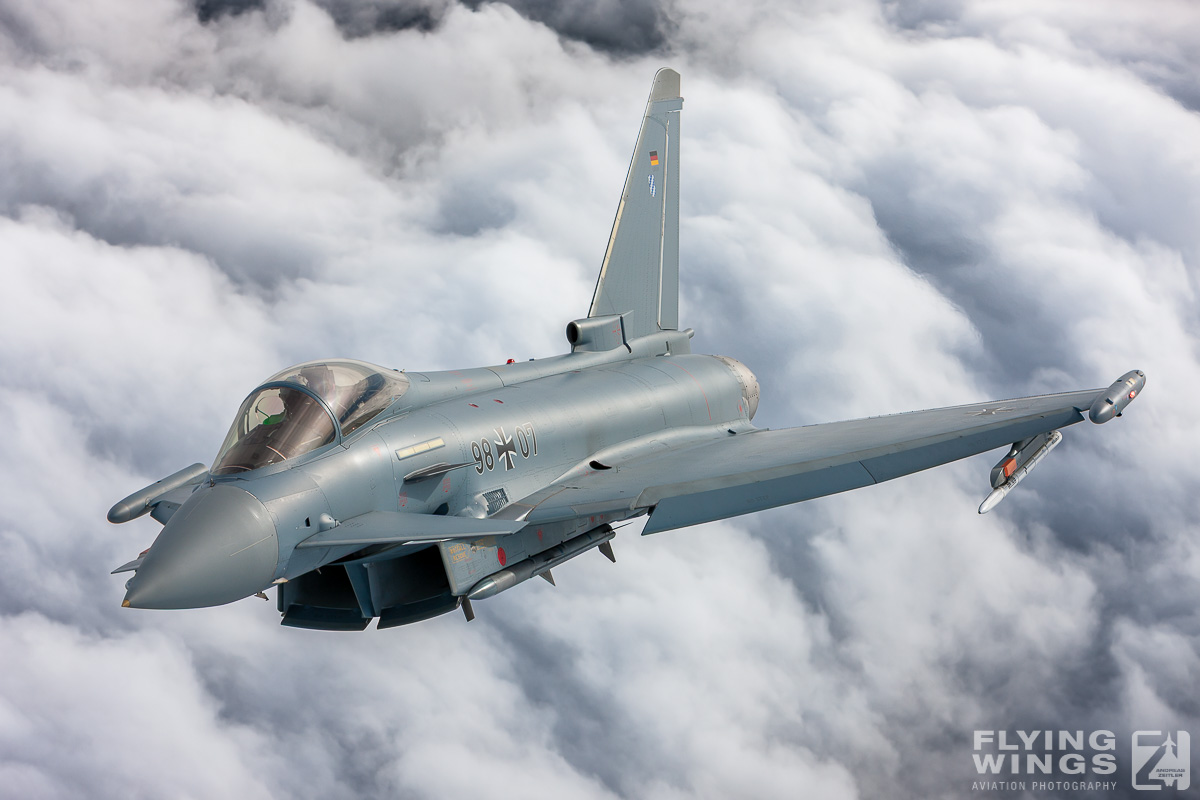
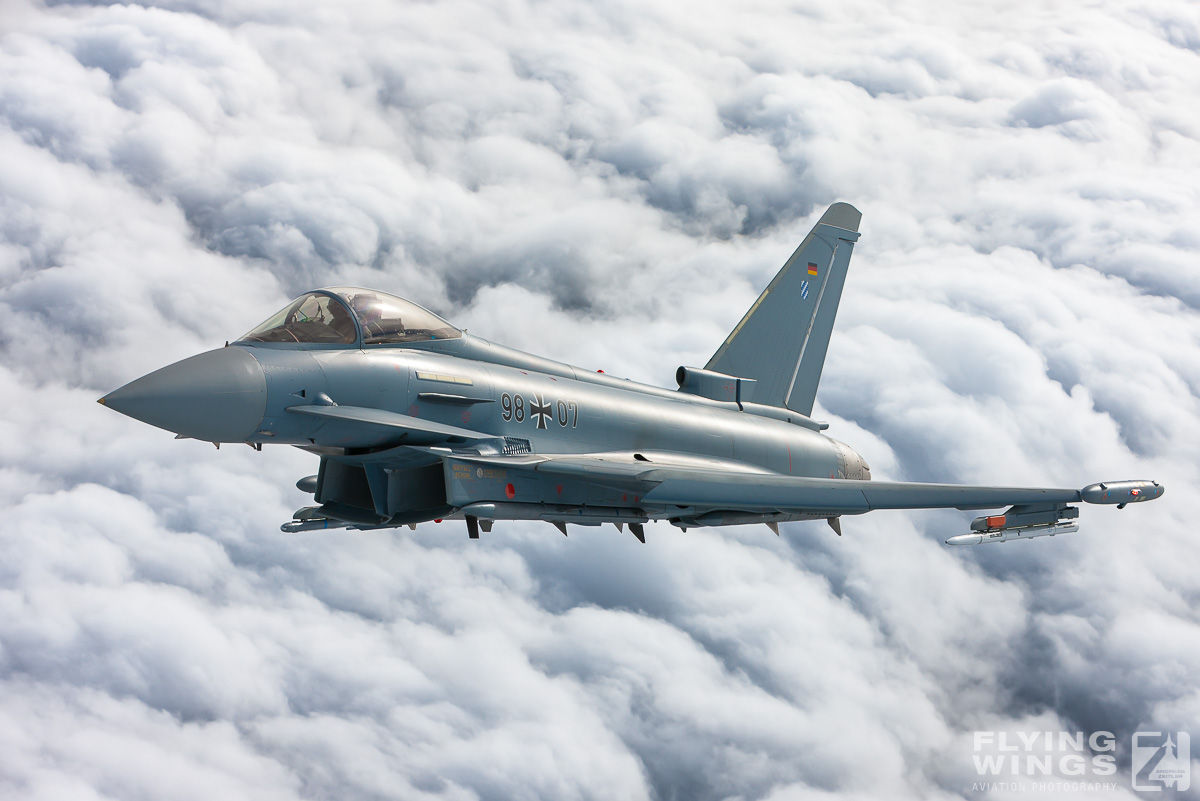
Our subject was Eurofighter IPA7, one of the Instrumented Production Aircraft based at Manching, Germany. The jet was carrying an aerodynamic configuration that looked noticeably different from every operational Typhoon. At the time, the aircraft was participating in the flight-test campaign for the Aerodynamic Modification Kit (AMK), then known as the Eurofighter Enhanced Manoeuvrability (EFEM) programme.
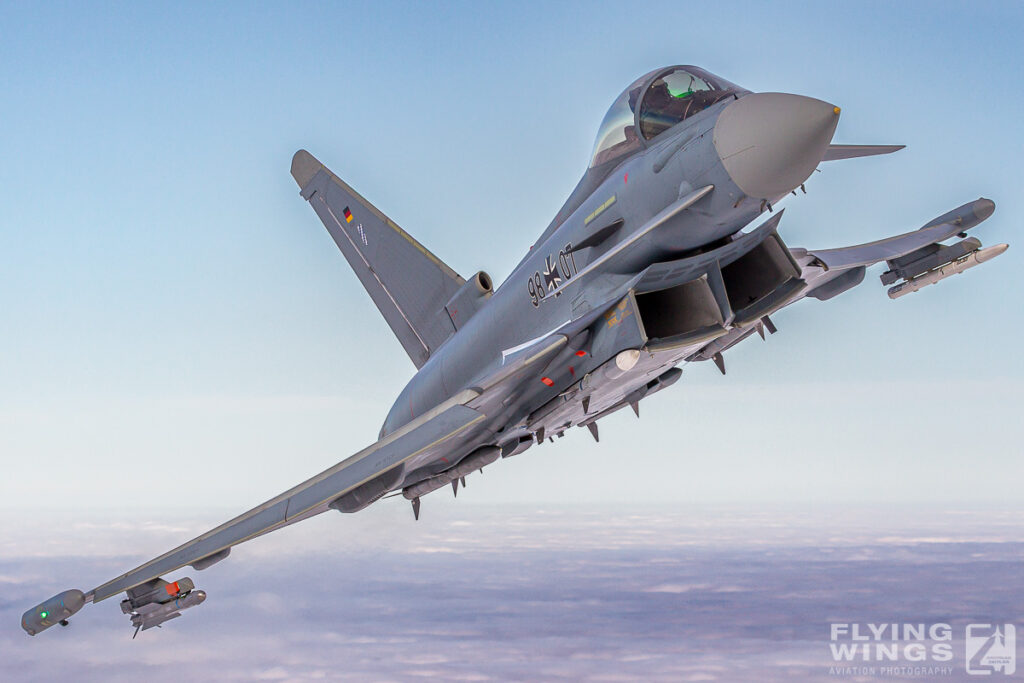
Although the project attracted considerable attention within the flight-test community, it would soon disappear from the public eye for almost a decade. Today, with AMK officially progressing towards operational introduction and forming an important part of Germany’s future Eurofighter EK electronic combat aircraft, those photographs have now become a fascinating reminder of a programme that was years ahead of its time. Time to dig in memory and dig out the photos from that flight…
A Rare Air-to-Air Mission aboard the C-160 Transall
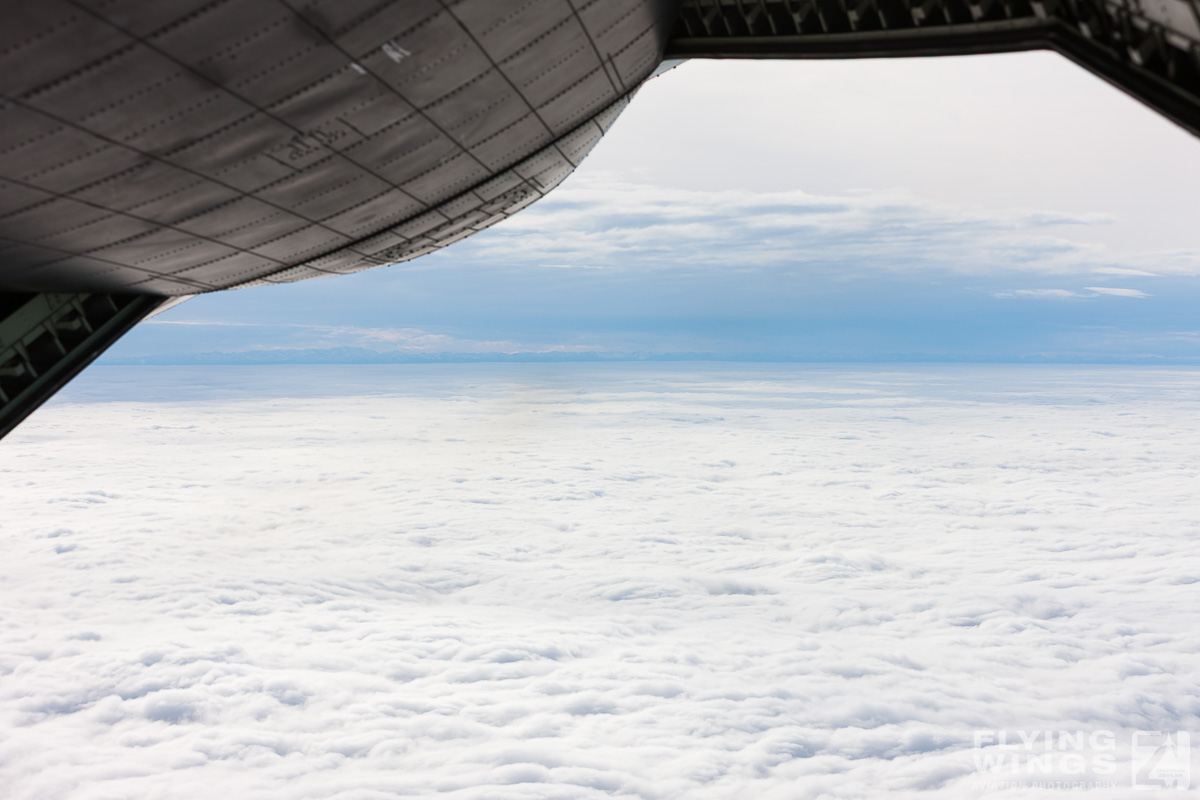
The photo mission itself was as memorable as the aircraft we were photographing. Rather than using a business jet or dedicated photo platform, we got offered a German Air Force C-160 Transall as the camera aircraft. Its spacious cargo compartment provided excellent working conditions, while the open rear cargo ramp offered an unobstructed view of the Eurofighter throughout the sortie. Also the speed of the Transall with the open cargo door was just about right for the Eurofighter to demonstrate some of its maneuverability. As the sortie was blown towards the end of the flight test campaign, the test pilot knew about the flight characteristics and could bring and hold the jet in ever desired position.
For us photographers, the views and angels from the cargo ramp were ideal to show the modifications of IPA7. It was just the weather that was difficult that day, with severals layers of clouds announcing the transition from late autumn to early winter weather all around Germany. The ground below was not visible, and high above us another gray layer hid the sun. Climbing above was out of scope, as we were already operating at 10.000ft, the maximum altitude to fly without additional oxygen.
But once up in the air, freezing temperatures and the potential lack of light did not matter anymore. Focus on the subject was the most important thing, and bringing back on ground at least a handful of useable image was the goal of that flight after weeks of planning.
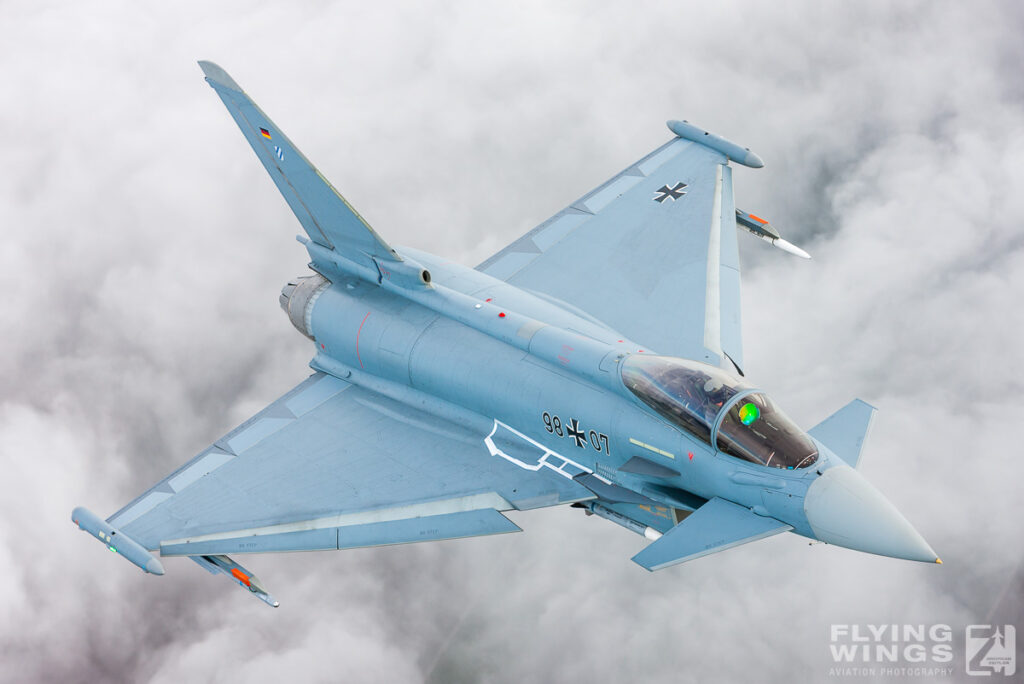
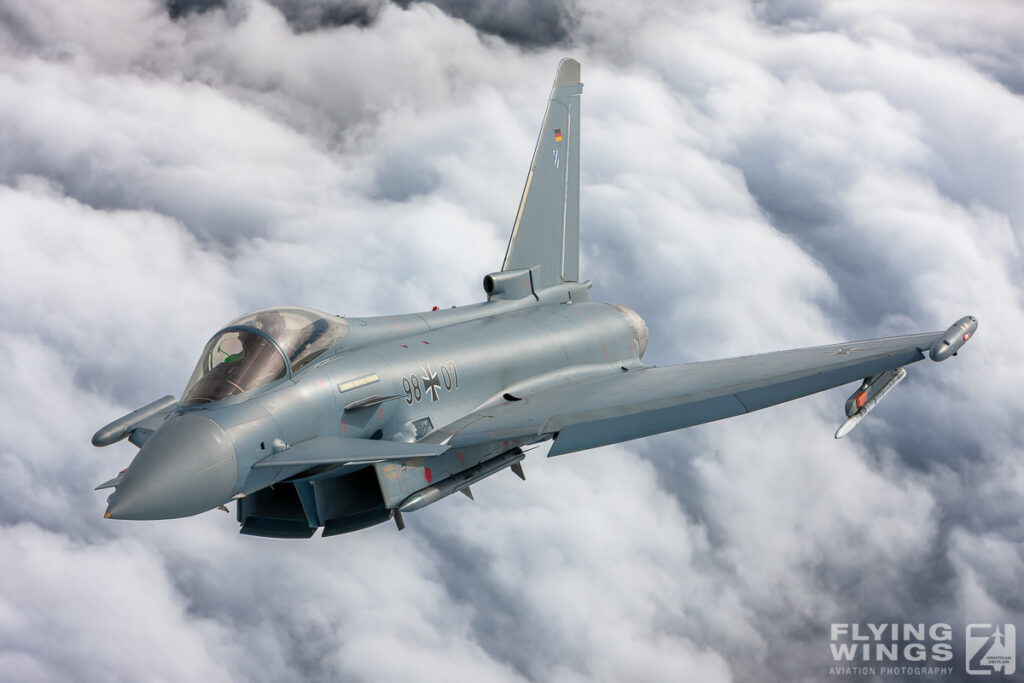
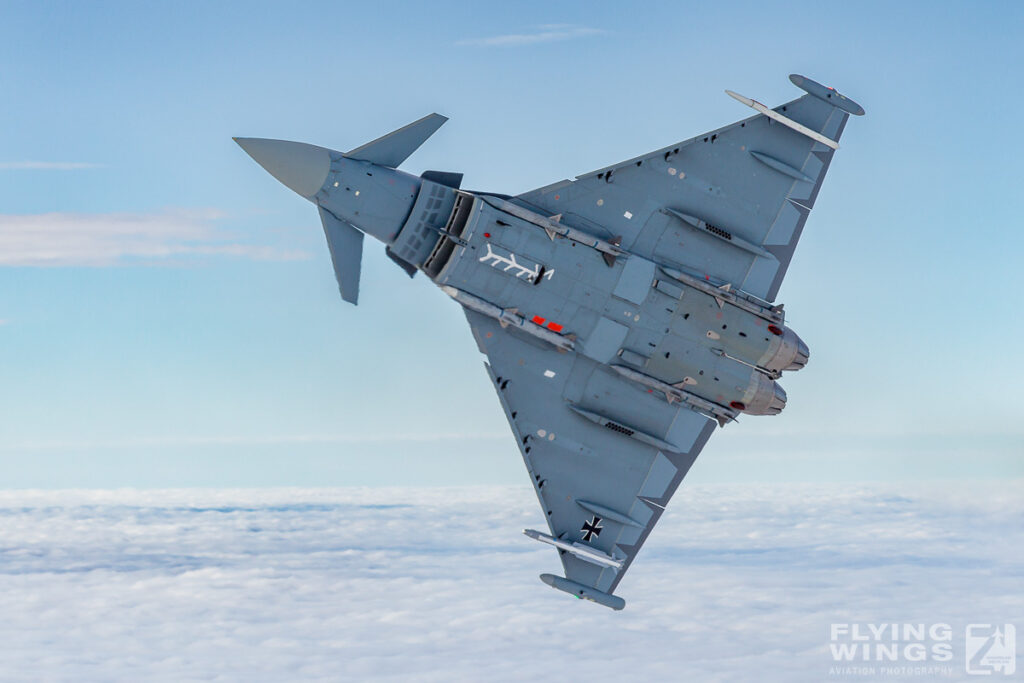
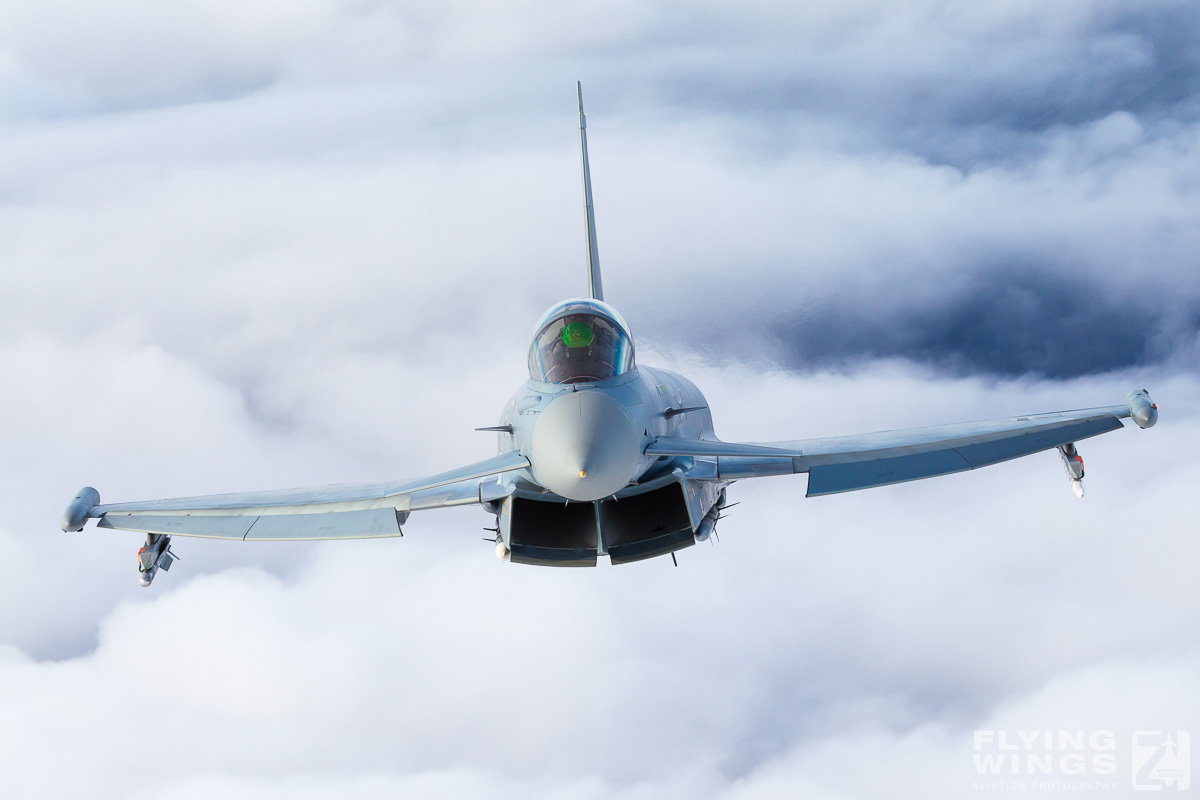
Flying in close formation, Flight Test pilot “Grisu” repeatedly repositioned the modified Eurofighter IPA7 around the Transall, allowing every aspect of its unusual aerodynamic configuration to be documented. Against the backdrop of a cloud-covered Bavarian landscape, the differences compared with a standard Typhoon became apparent, even though the modifications were not painted in bright orange, the usual color used for flight test devices, but in a dark gray, reflecting the intended purpose of this modification: being introduced into the operational Eurofighter Typhoon fleet…
At first glance, the aircraft featured noticeably enlarged strakes ahead of the air intakes, extended wing-root fairings and modified trailing-edge control surfaces. While these changes appeared subtle, they represented one of the most comprehensive aerodynamic developments undertaken for the Eurofighter programme since the aircraft entered service.
Why Was Airbus Testing the AMK?
The Eurofighter was originally optimised as an air superiority fighter, combining high thrust, relaxed static stability and advanced flight-control software to achieve exceptional agility. As the aircraft evolved into a true multirole platform, however, its missions changed considerably.
Modern operations increasingly require the carriage of larger external fuel tanks, stand-off weapons, precision-guided munitions, anti-radiation missiles and electronic warfare pods. Every additional external store alters the aircraft’s aerodynamic characteristics, affecting lift, drag, stability and handling.
Rather than increasing engine power, Airbus engineers focused on improving the aircraft’s aerodynamic efficiency.
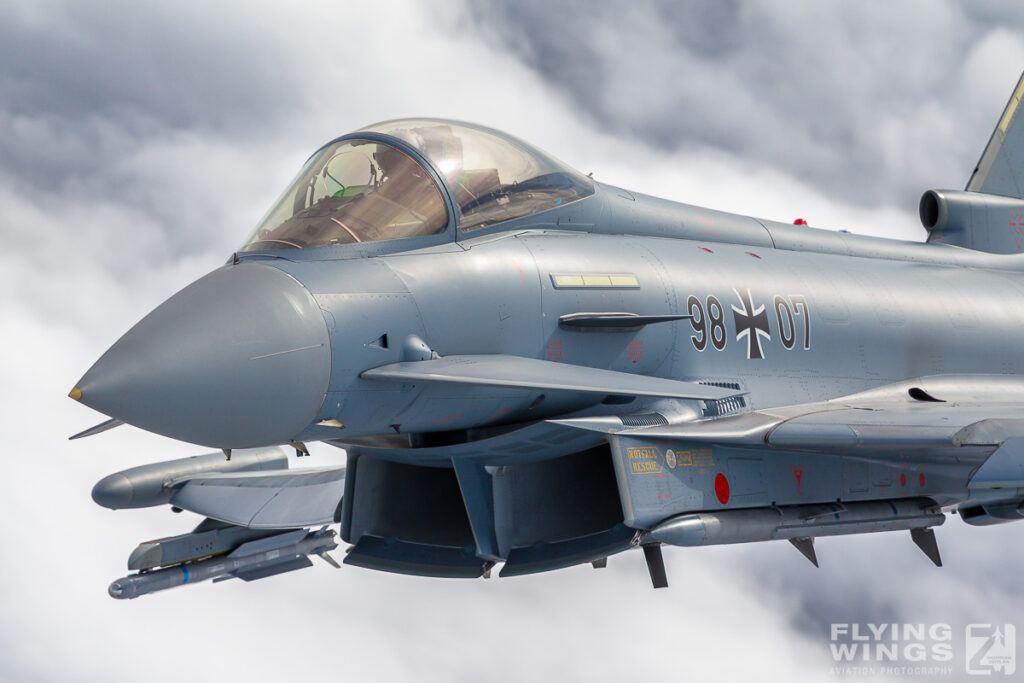
The resulting Aerodynamic Modification Kit (AMK) — originally developed under the name Eurofighter Enhanced Manoeuvrability (EFEM) — introduced several carefully designed aerodynamic refinements. Enlarged forebody strakes generate stronger vortices that energise the airflow over the wings at high angles of attack, delaying flow separation and improving lift. Extended leading-edge root extensions further strengthen this vortex system, while redesigned flaperons enhance roll authority and control during demanding manoeuvres.
“This program has been a tremendous success with very impressive results – in some areas even better than we expected. We saw angle of attack values around 45 per cent greater than on the standard aircraft, and roll rates up to 100 per cent higher, all leading to increased agility. The handling qualities appeared to be markedly improved, providing more manoeuvrability, agility and precision while performing tasks representative of in-service operations.”
Raffaele Beltrame, Eurofighter Project Pilot Germany
Working together, these modifications improve the aircraft’s behaviour throughout the flight envelope, particularly when carrying complex external weapon configurations.
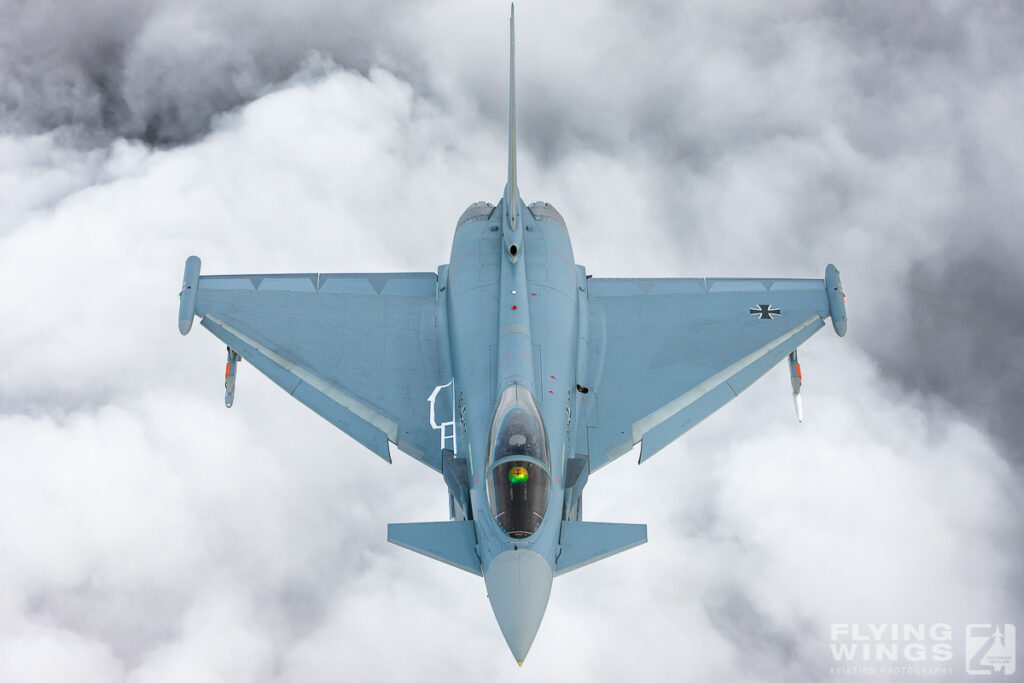
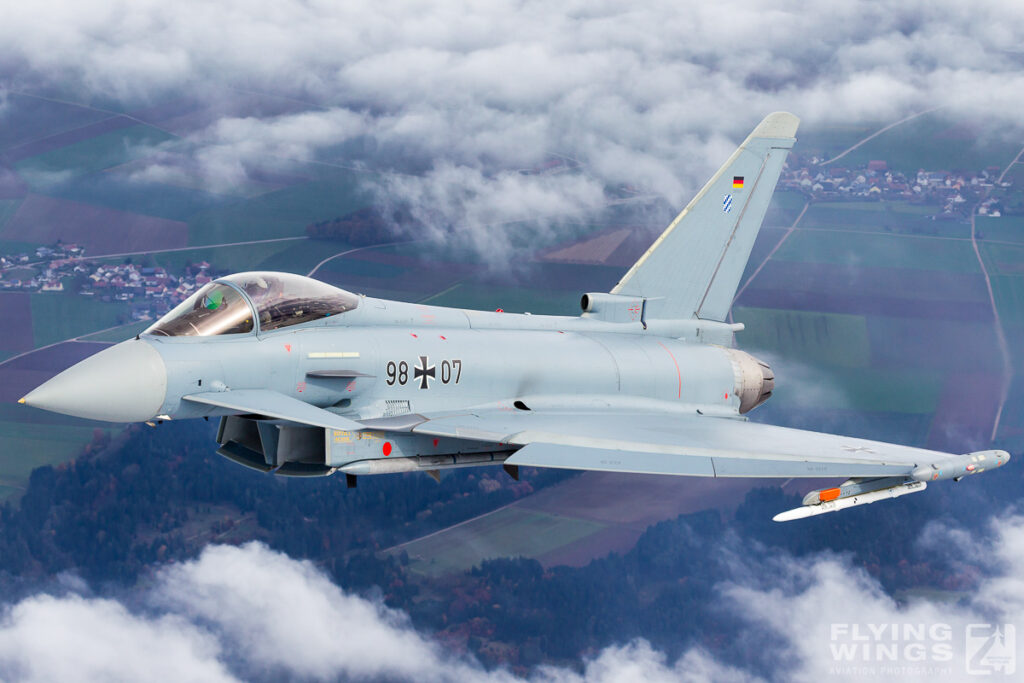
According to Airbus, the improvements can increase maximum lift by up to 25 percent while enhancing controllability, nose authority and manoeuvrability at high angles of attack. Just as importantly, the modified aerodynamics help preserve the Eurofighter’s predictable flying qualities even when heavily loaded with external stores.
More Than Better Dogfighting
It is tempting to view AMK simply as an upgrade for air combat manoeuvring. In reality, its greatest value lies elsewhere.
Every new weapon integrated onto a combat aircraft requires extensive aerodynamic testing and flight-clearance work. As external stores become larger, heavier and more aerodynamically demanding, this certification process becomes increasingly complex.
By improving the aircraft’s inherent aerodynamic margins, AMK helps maintain stable handling characteristics across a much wider range of weapon configurations. This reduces technical risk, simplifies certification and accelerates the integration of future weapons.
In other words, AMK is not just about making the Eurofighter more agile—it is about making it a more adaptable weapons platform for decades to come.
From Dormant Technology to the Future Eurofighter EK
Following a successful flight-test campaign around 2015, the programme largely disappeared from public attention. Priorities shifted towards radar development, software upgrades and other capability enhancements, while AMK remained on the shelf despite its promising results.
That situation has now changed.
NETMA and the Eurofighter consortium have officially launched in February 2026 the next phase of the Aerodynamic Modification Kit programme, recognising its importance for future capability growth. The technology is expected to play a key role in supporting increasingly sophisticated weapon integrations and complex external payloads.
For Germany, this is particularly significant because the modifications are closely linked to the future Eurofighter EK, which will assume the Luftwaffe’s electronic combat and SEAD/DEAD mission after the retirement of the Tornado ECR. Escort jamming pods, anti-radiation missiles and specialised electronic warfare equipment place demanding aerodynamic requirements on the aircraft—precisely the challenges that AMK was designed to address.
Looking Back at a Flight Ahead of Its Time
When these photographs were taken from the open ramp of the C-160 Transall, the AMK programme appeared to be an interesting but uncertain glimpse into the Eurofighter’s future. Few could have predicted that the project would remain dormant for almost a decade before returning to the centre of the aircraft’s long-term development roadmap.
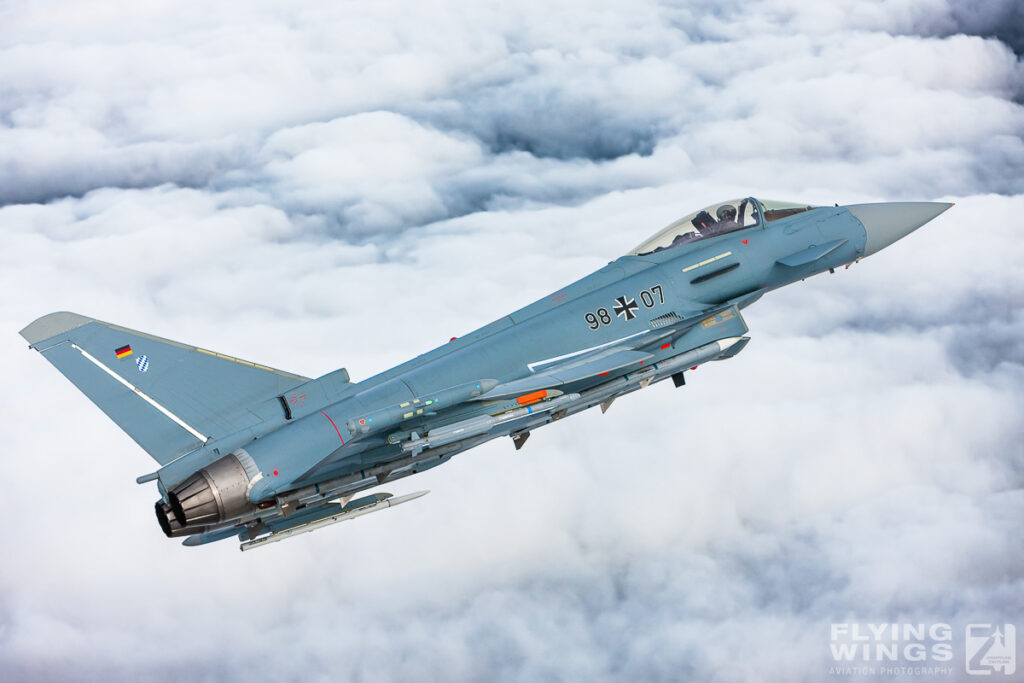
Looking back, these photographs are more than simply air-to-air images of a unique Eurofighter. Captured during the original AMK/EFEM flight-test campaign, I am still very proud that they became part of the programme’s first public documentation and were subsequently published in aviation magazines, books and online media around the world.
For many years, they provided some of the most widely circulated visual references of the modified Eurofighter IPA7, preserving a chapter in the Typhoon’s development that remained largely out of the spotlight. With the Aerodynamic Modification Kit now moving towards operational implementation, these images document a technology that is finally becoming a reality.
Without the tremendous support of Manching’s Flight Test community within Airbus and WTD61, these photographs would not have been possible. Thank you all!
Eurofighter IPA7 AMK / EFEM Flight Test Campaign – Photo Gallery


You May Also Like
Fliegerschiessen at Axalp Shooting Range

JG74 Spotterday 2013