Nigeria’s 1st International Airshow at Abuja
Nigeria’s aviation industry reached a historic milestone in early December 2025 with the staging of the first-ever Nigeria International Airshow at Nnamdi Azikiwe International Airport, Abuja. Officially opened by the Federal Ministry of Aviation on 2 December 2025, the event was designed to position Nigeria as an emerging aviation hub at the crossroads of Africa’s major air routes.
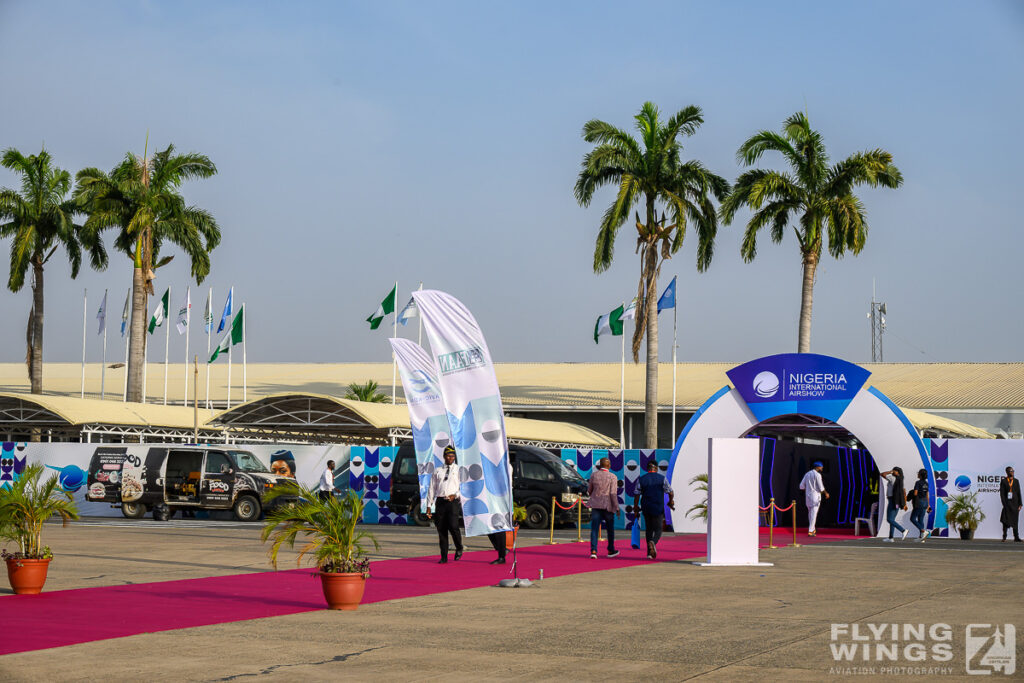

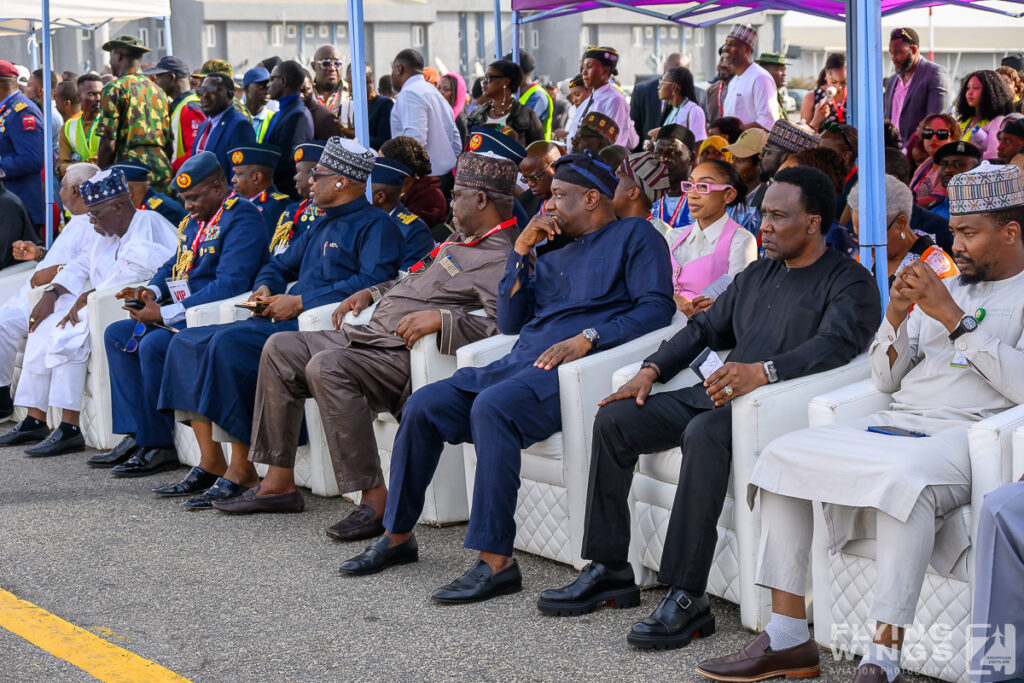
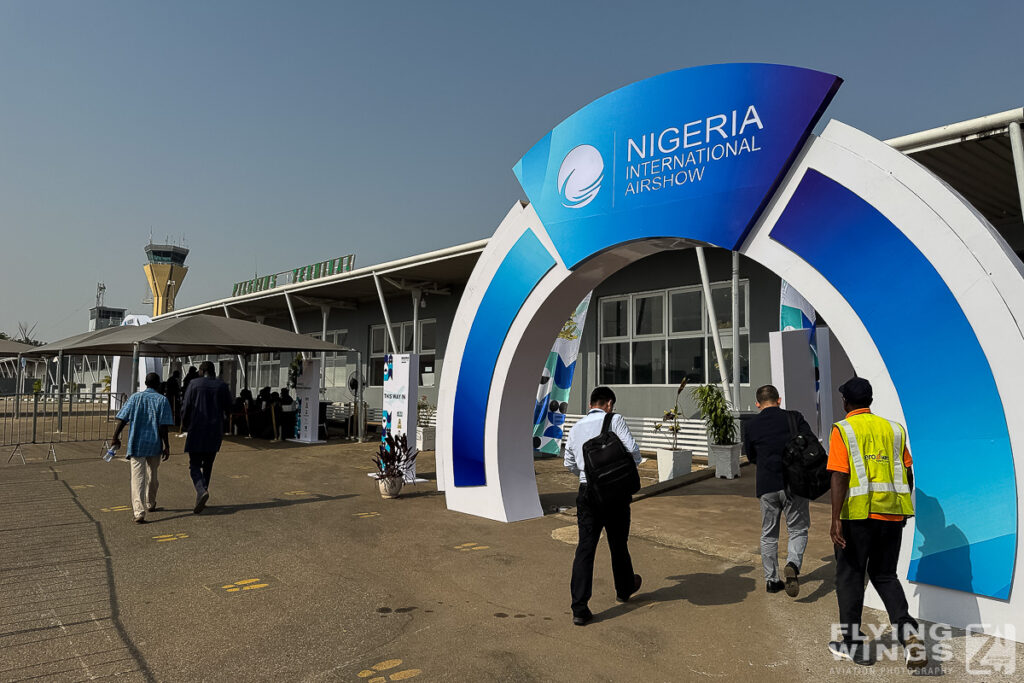
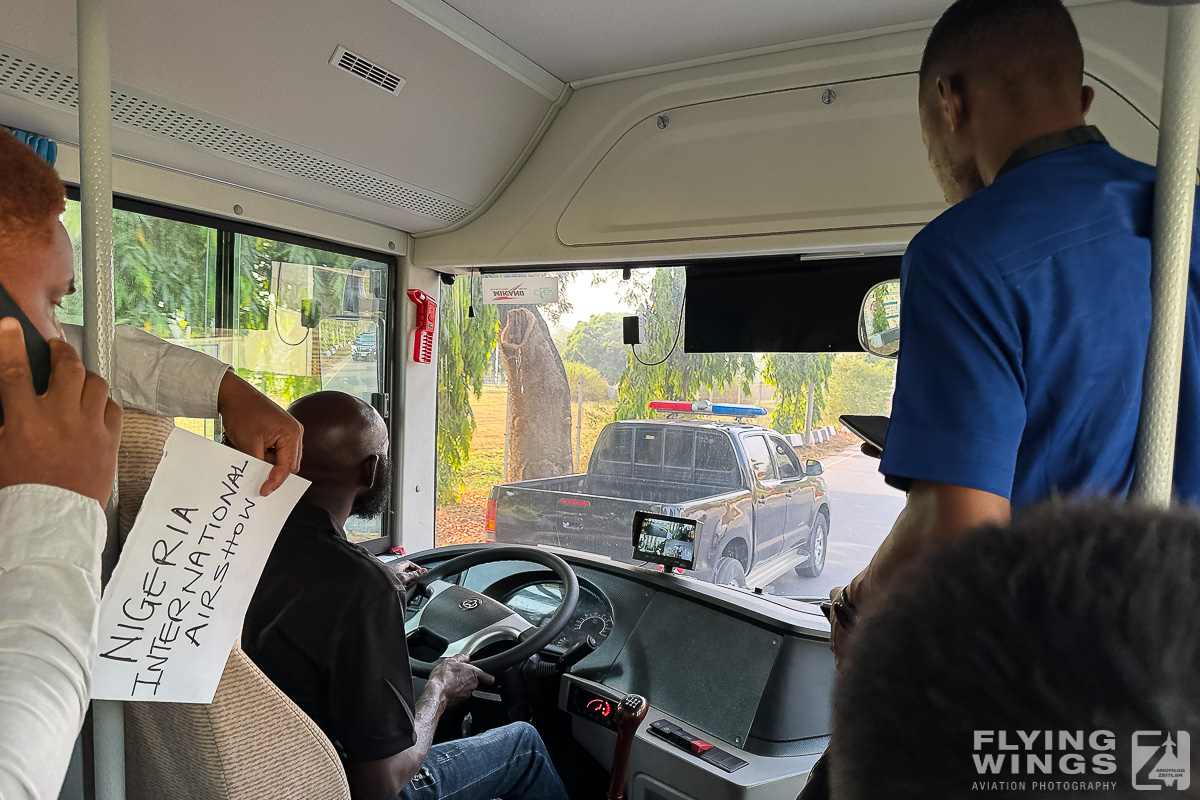
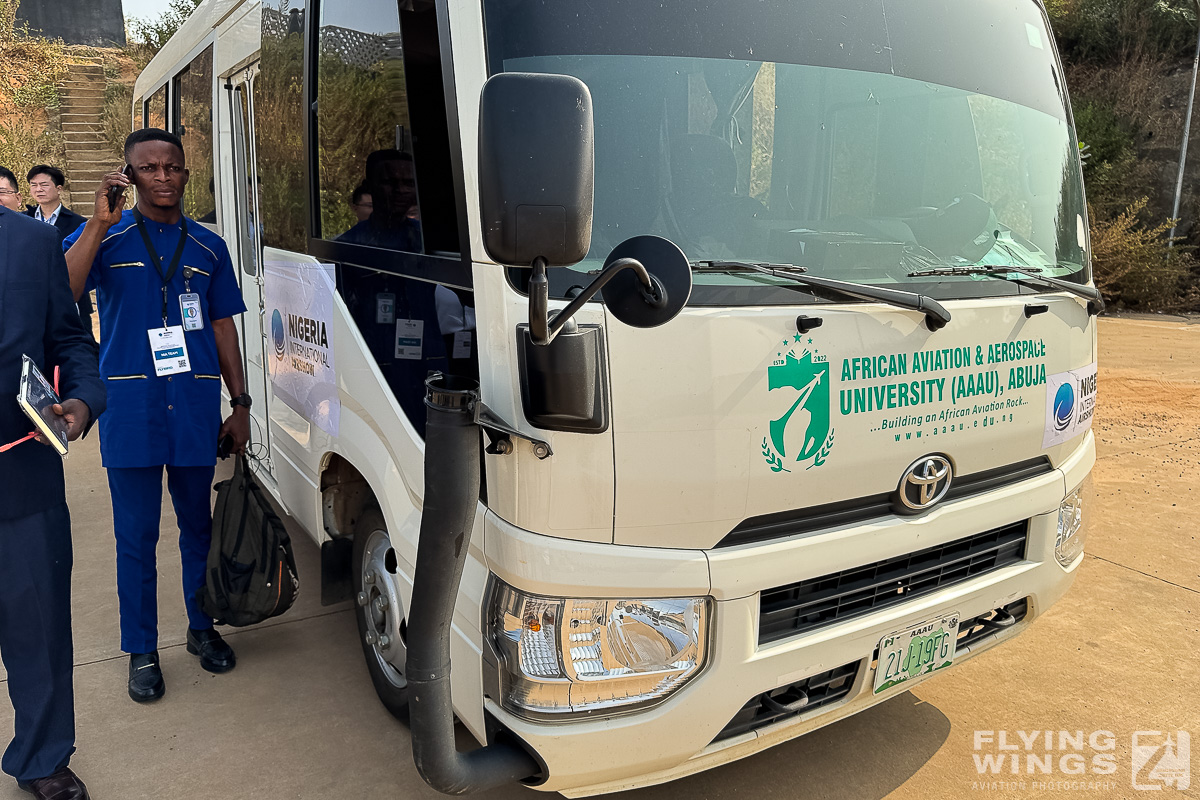
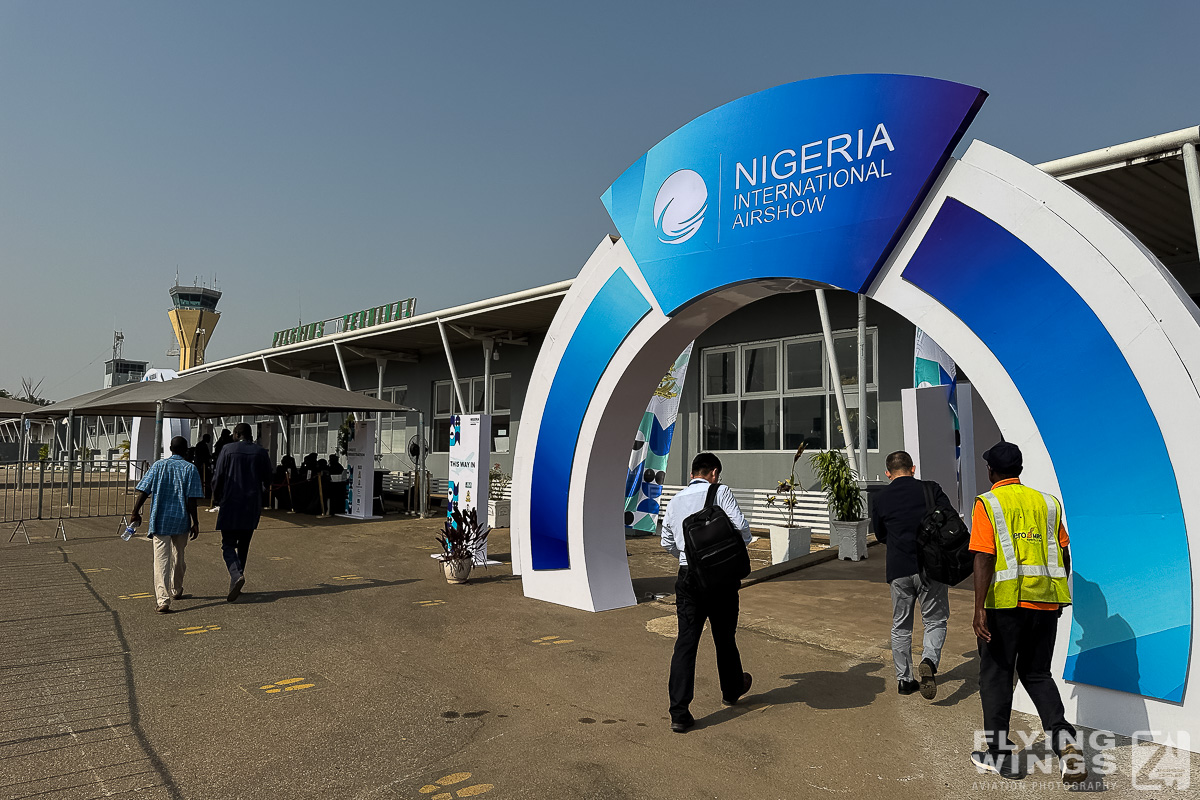
The airshow was held on the General Aviation apron and centred around just two large, air-conditioned tents. One housed conferences and keynote speeches, while the other contained the exhibition area. The layout was compact, functional and easy to navigate, but clearly modest in scale. Visitor numbers were noticeably low, and there were very few public spectators. Access was organised via the Hajj Terminal, adding an unusual but interesting logistical touch to the experience.

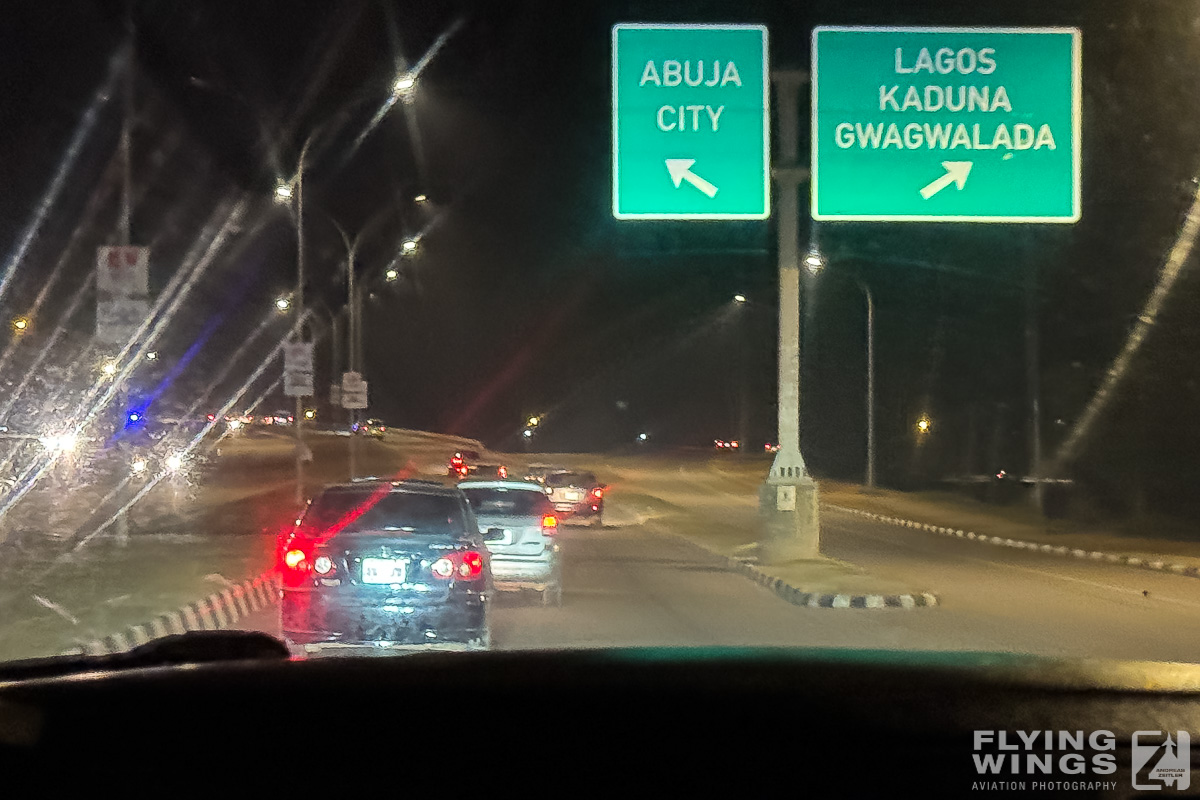
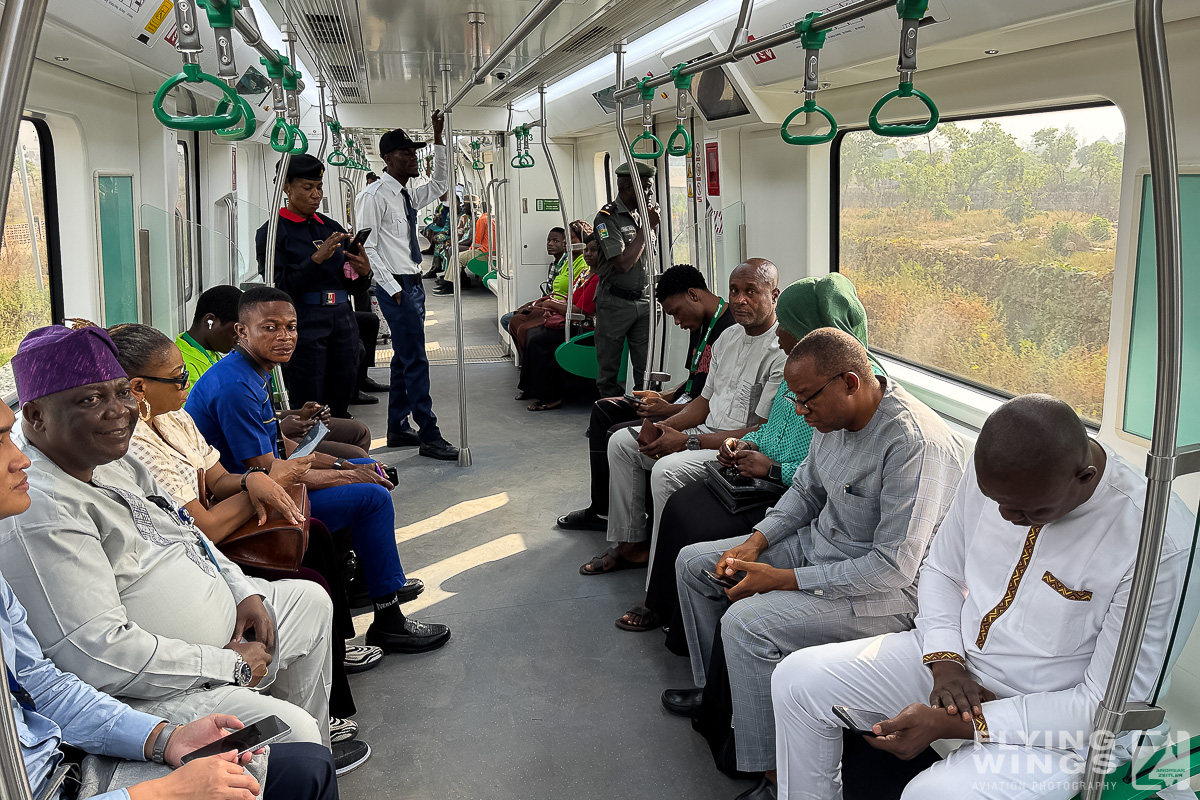
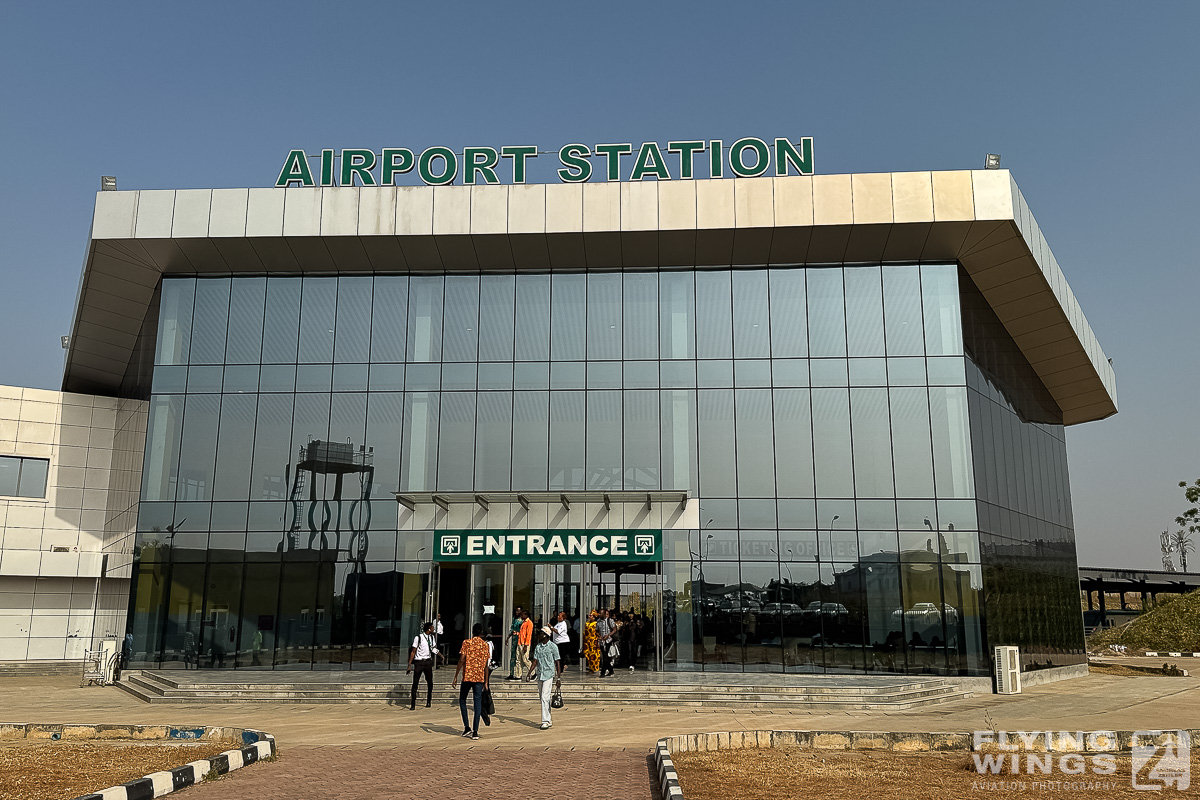
Transport from the city centre was possible using Abuja’s new metro line. Although not officially opened and running without a fixed schedule, it was free of charge. By fortunate timing, I was able to share what was an exclusive ride with other visitors from our hotel directly to the airport area and accompanied by the director of the Metro line himself — an unexpected highlight in itself.


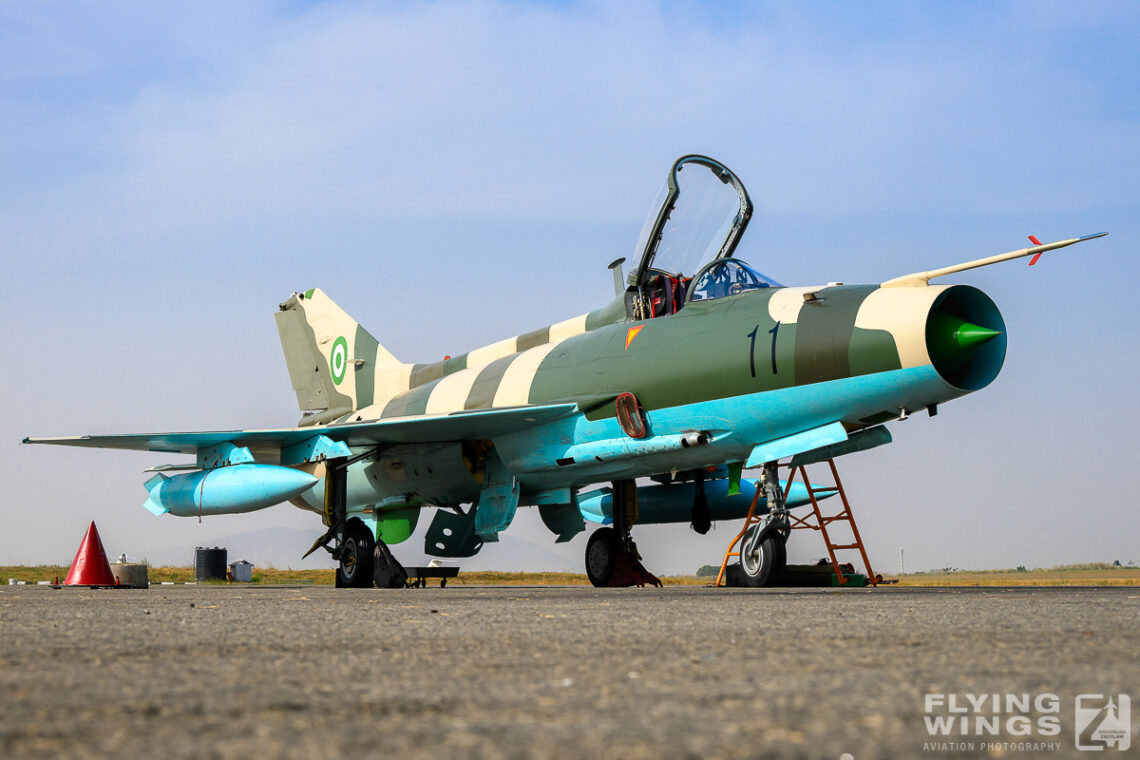
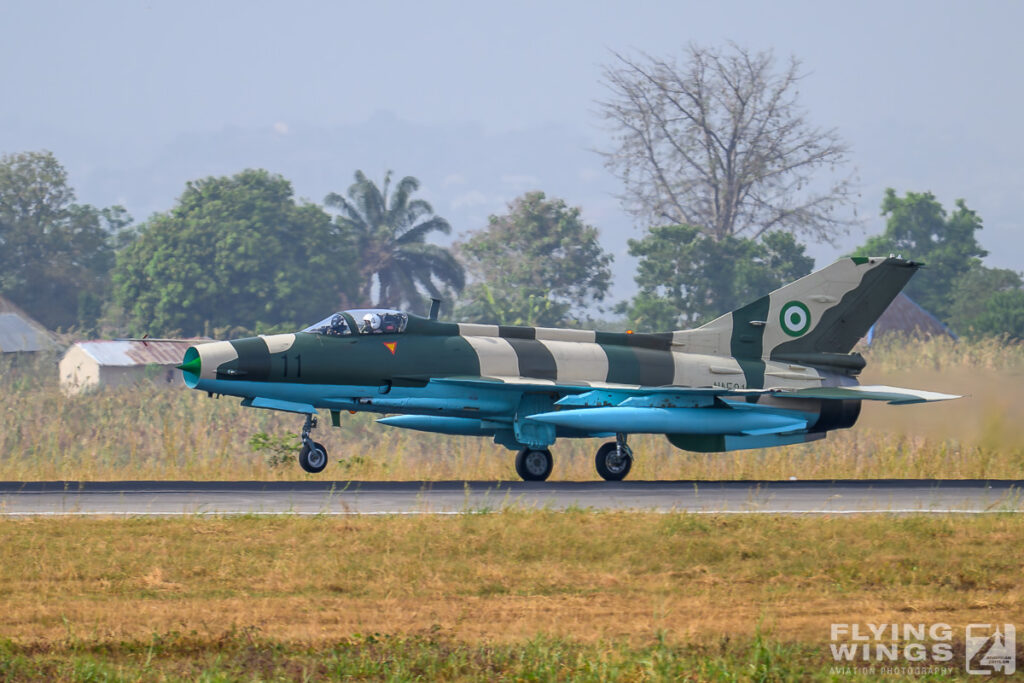
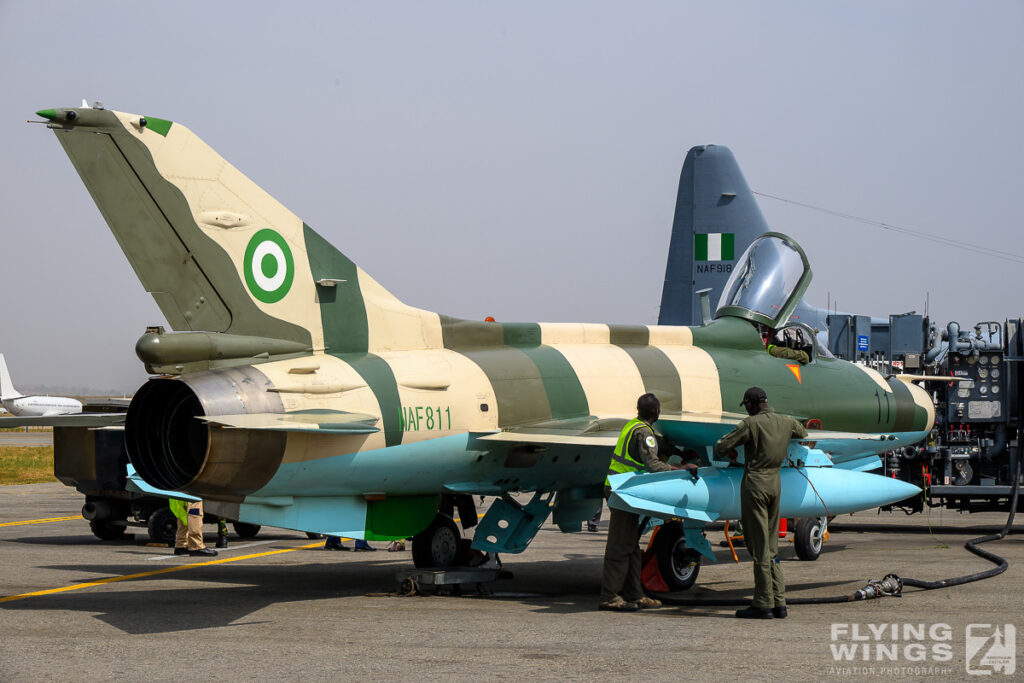
For the Nigerian Air Force (NAF), the event provided a carefully calibrated opportunity to showcase selected capabilities while supporting the wider goal of promoting aviation development rather than staging a purely military spectacle. However, it must be said openly that the very limited NAF presence was, from a purely enthusiast’s perspective, something of a disappointment and did not entirely justify the considerable effort required to travel to Nigeria. That said, getting hands-on access to an operational F-7NI was truly exceptional and alone made the trip (for me) worthwhile.
A compact but professional footprint
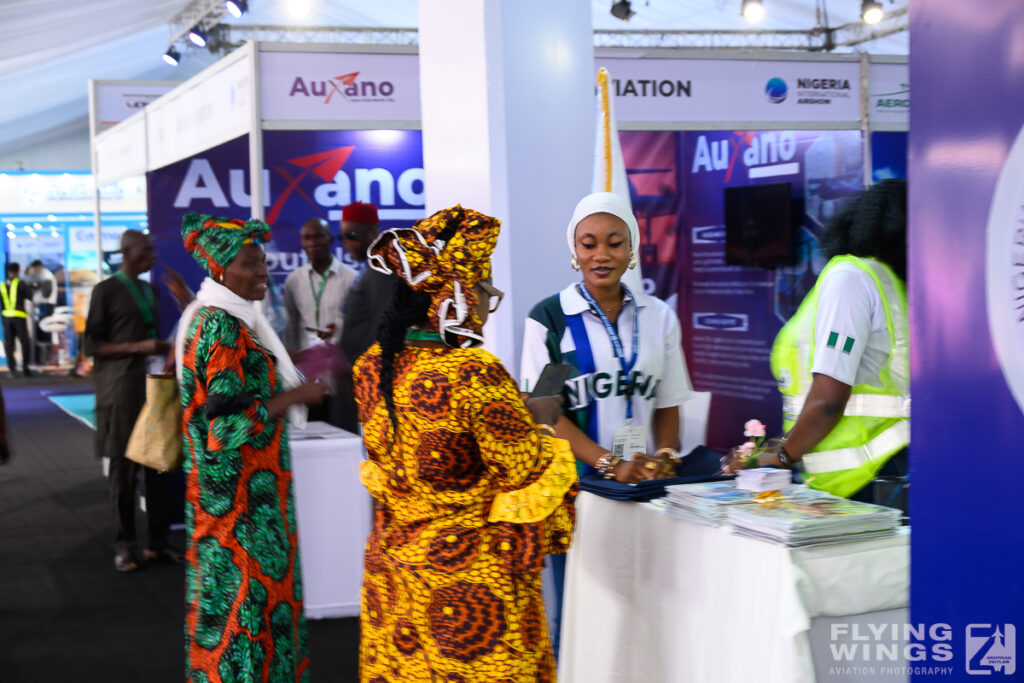
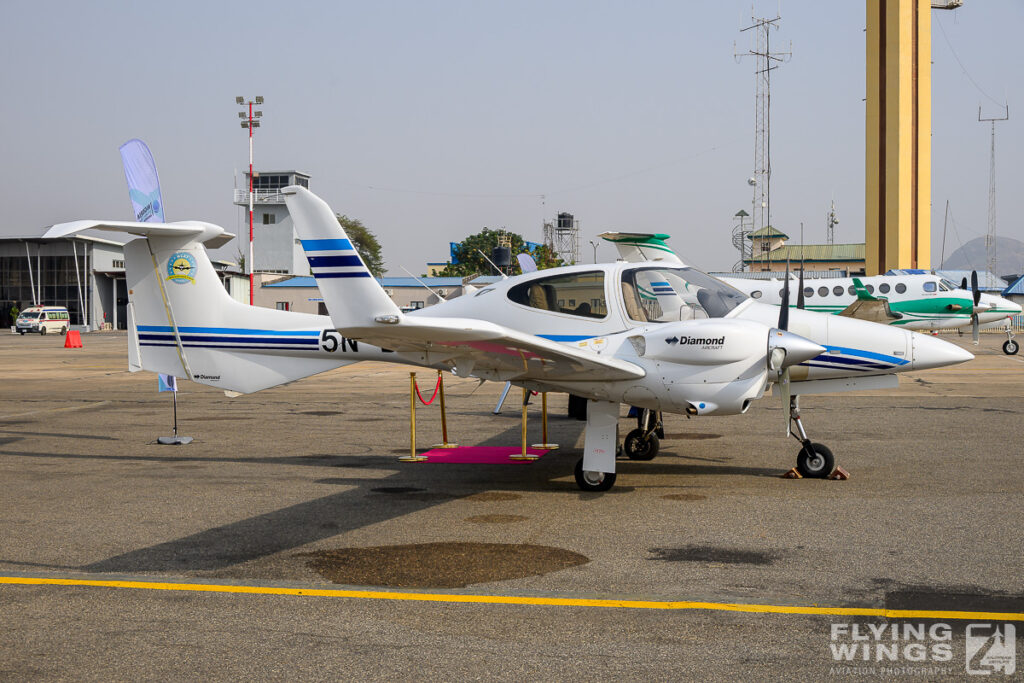
The NAF exhibition stands in the exhibition hall focused strongly on training and institutional structure. Represented were 401 Flying Training School from Kaduna, responsible for ab-initio training and basic transport flying using the MFI-17 Mushshak and Diamond DA40/42, as well as type ratings on the Dornier 228. From Kano, 403 Flying Training School presented its Basic Flying Training and Instructor Pilot Courses on the L-39ZA Albatros. Completing the pipeline, 407 Air Combat Training Group from Kainji illustrated advanced fighter instruction on the Alpha Jet and A-29 Super Tucano.
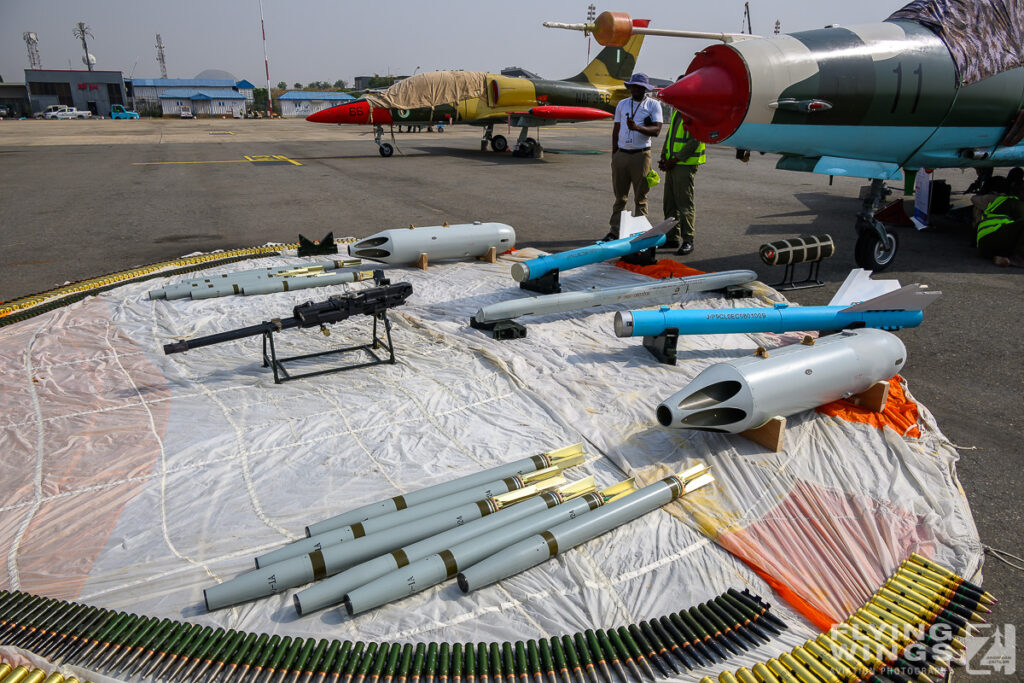
This structured training system underpins Nigeria’s operational capability across multiple security theatres and was arguably one of the more substantial aspects of the NAF’s presentation.
Static display and flying programme
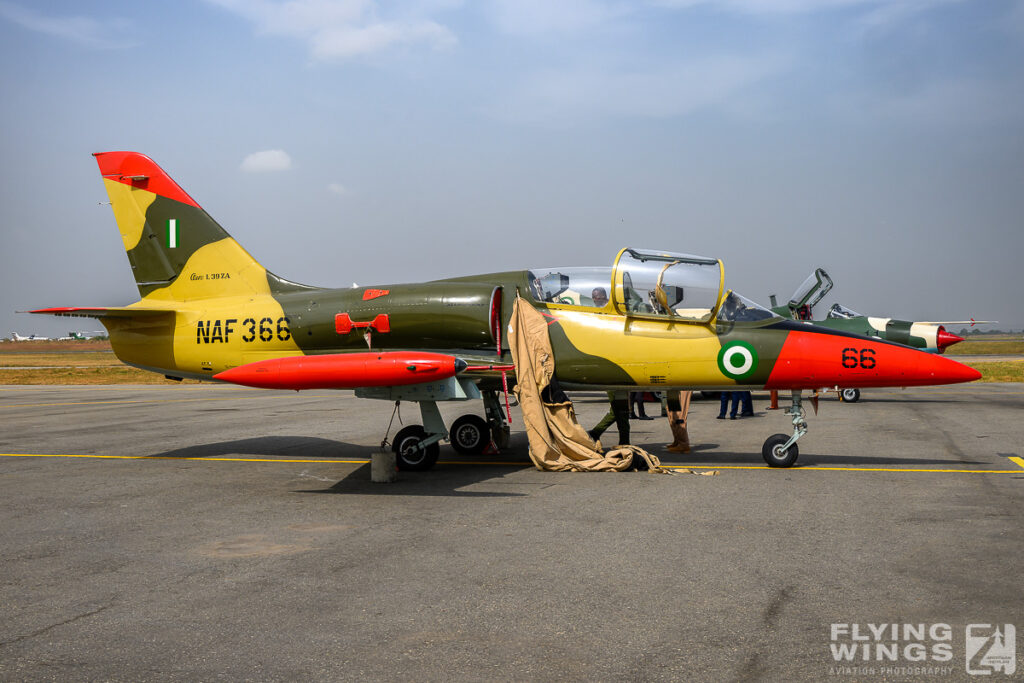
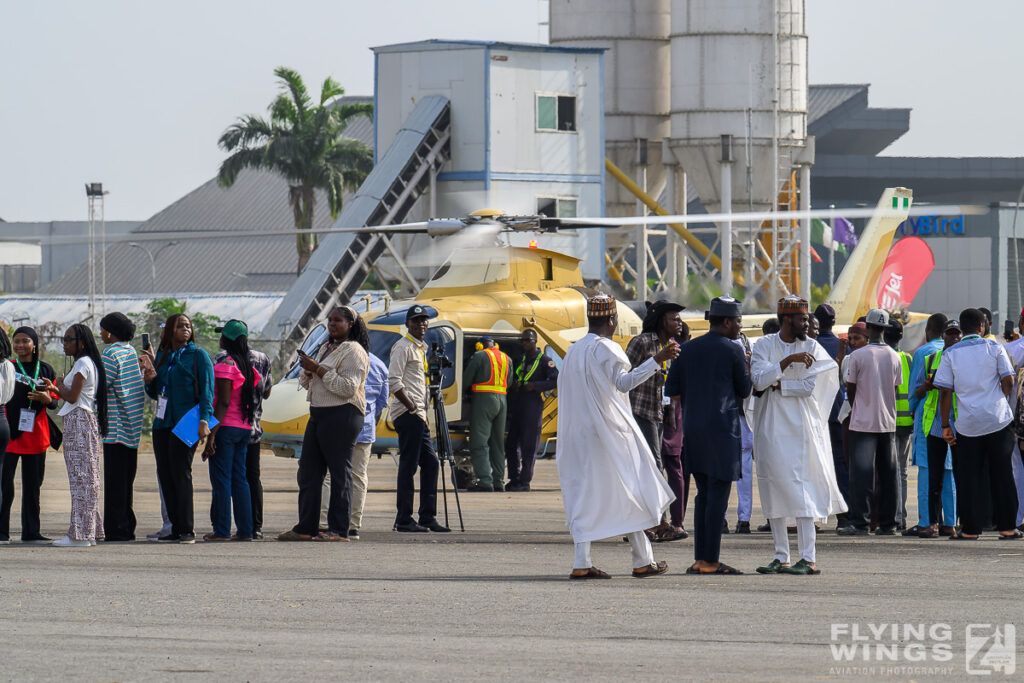
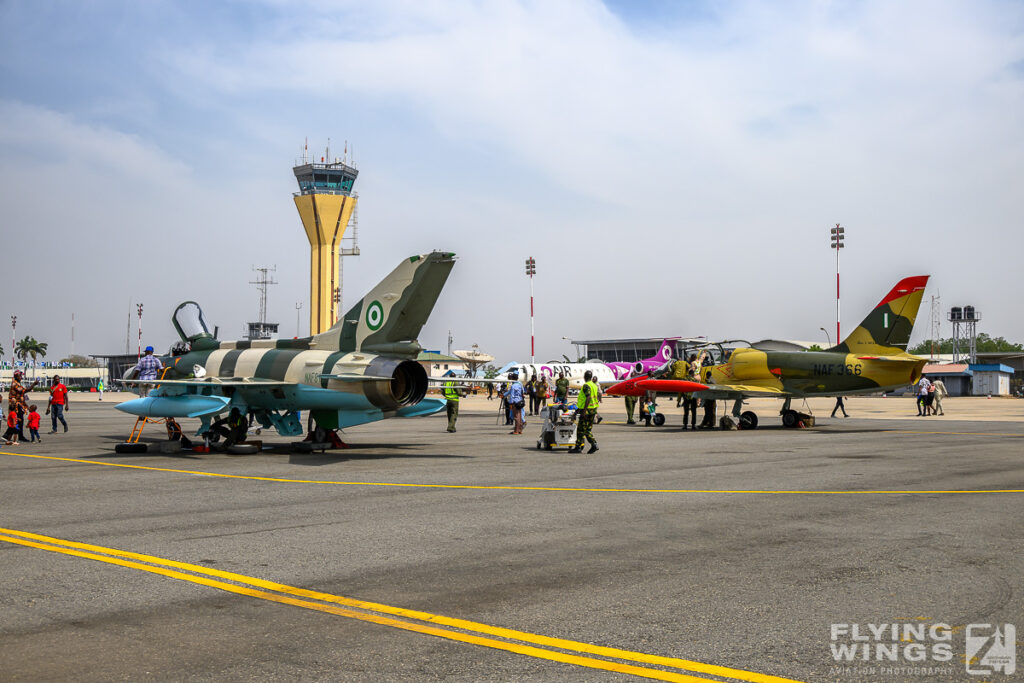
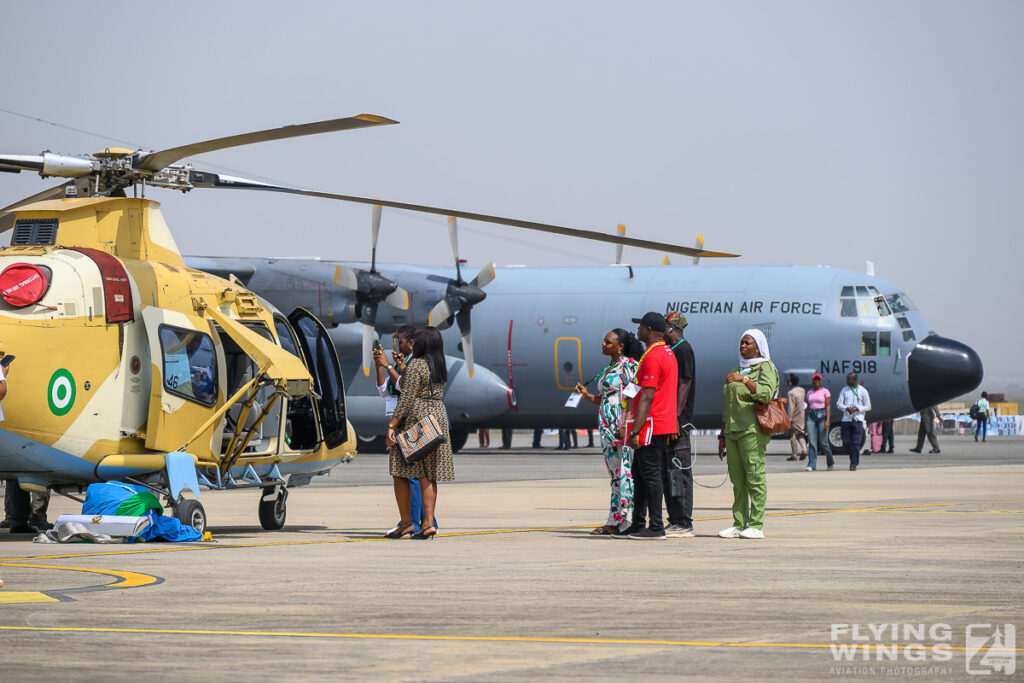
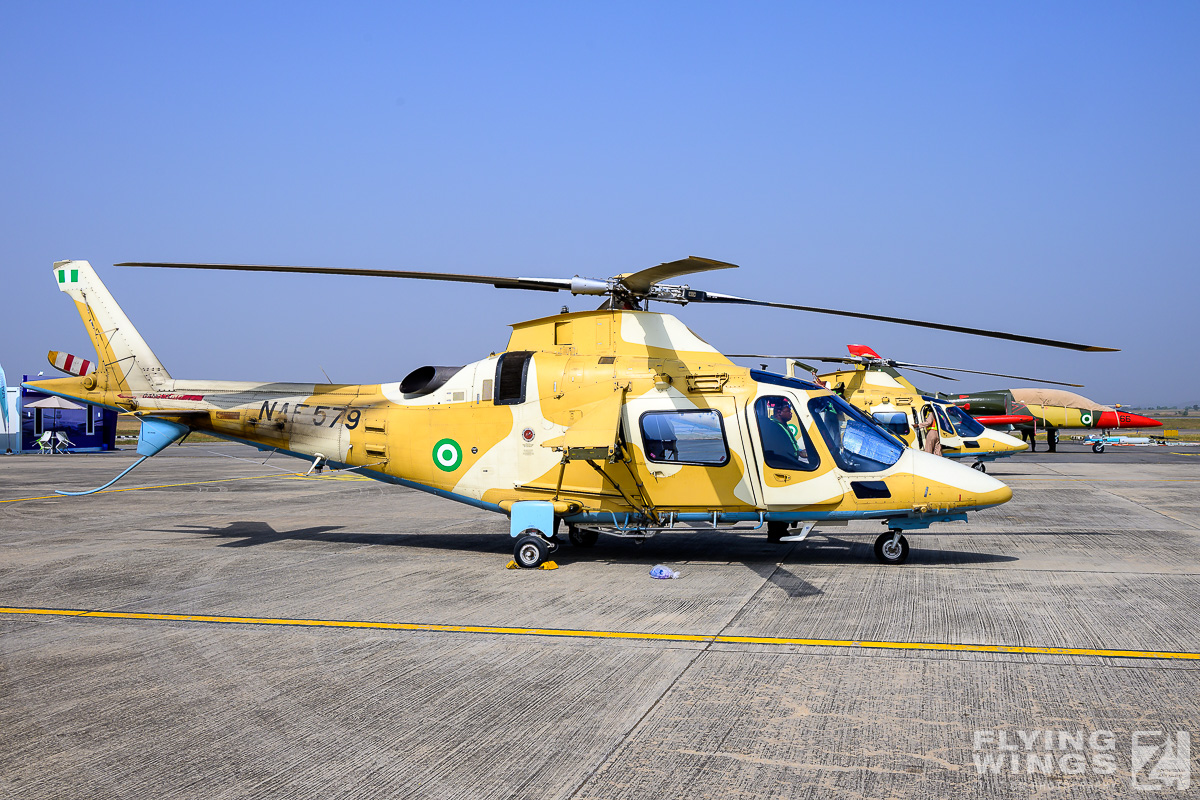
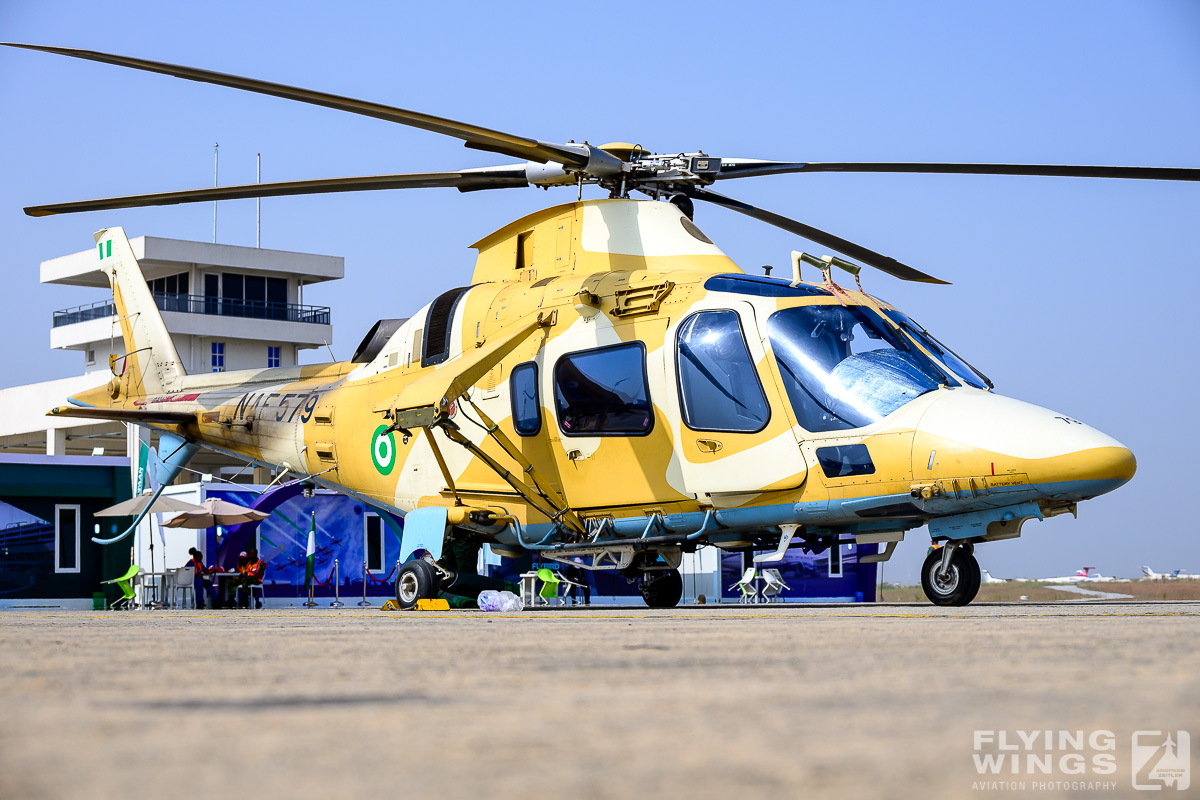
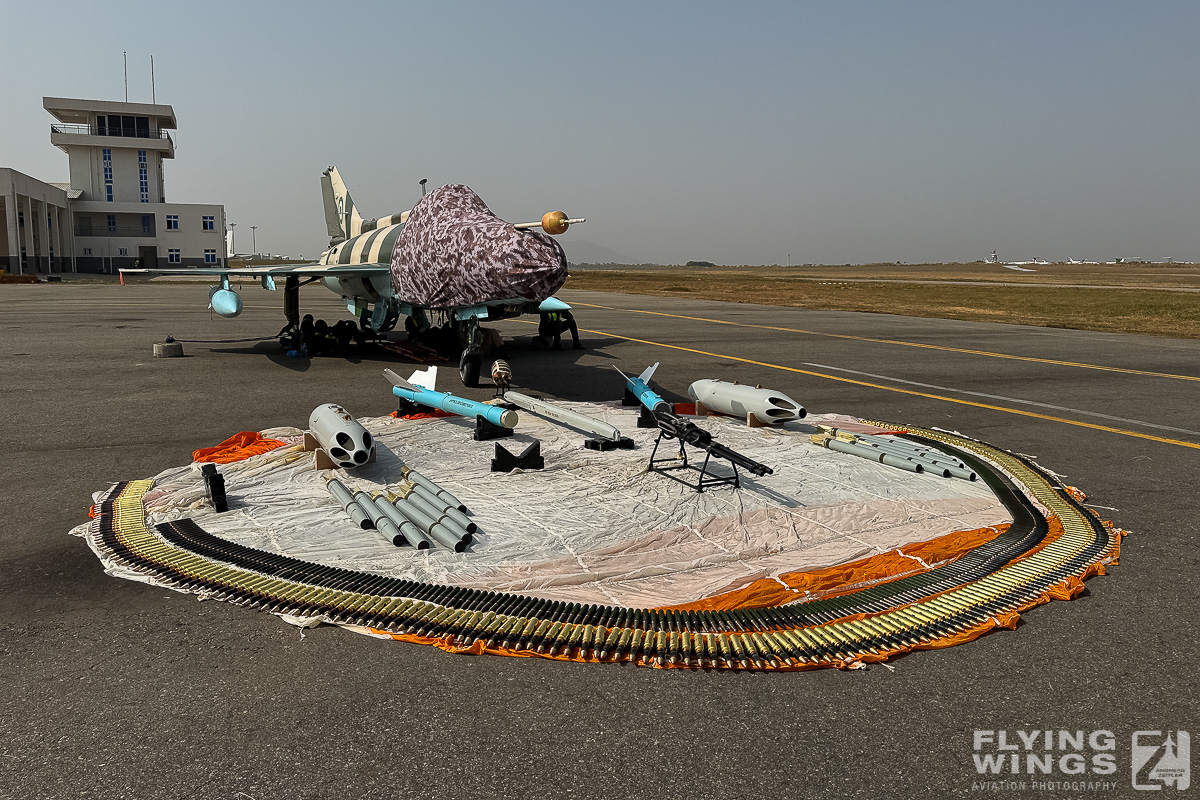
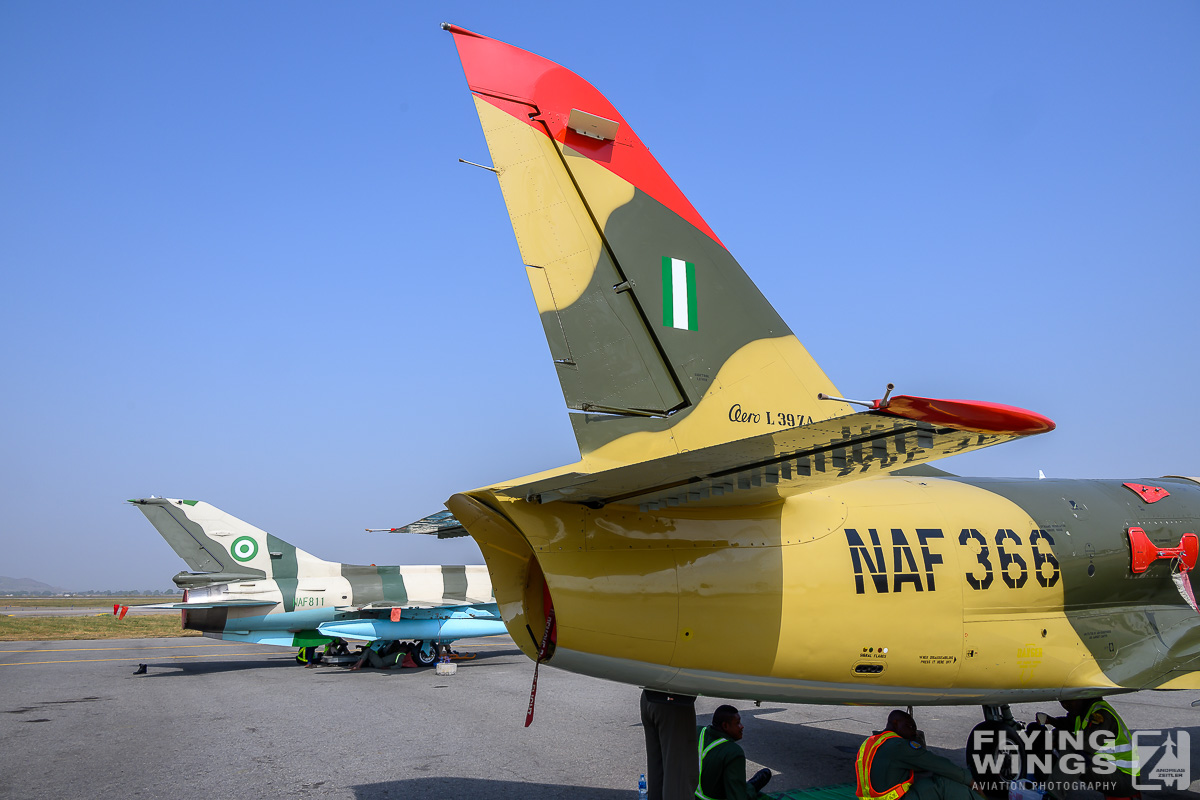
The static display of aircraft itself remained limited. The Nigerian Air Force contributed two AgustaWestland AW109 Power helicopters, one Aero Vodochody L-39ZA and one Chengdu F-7NI Airguard fighter. The helicopters visibly carried attachment points for gun and rocket pods, underlining their operational counterinsurgency role.
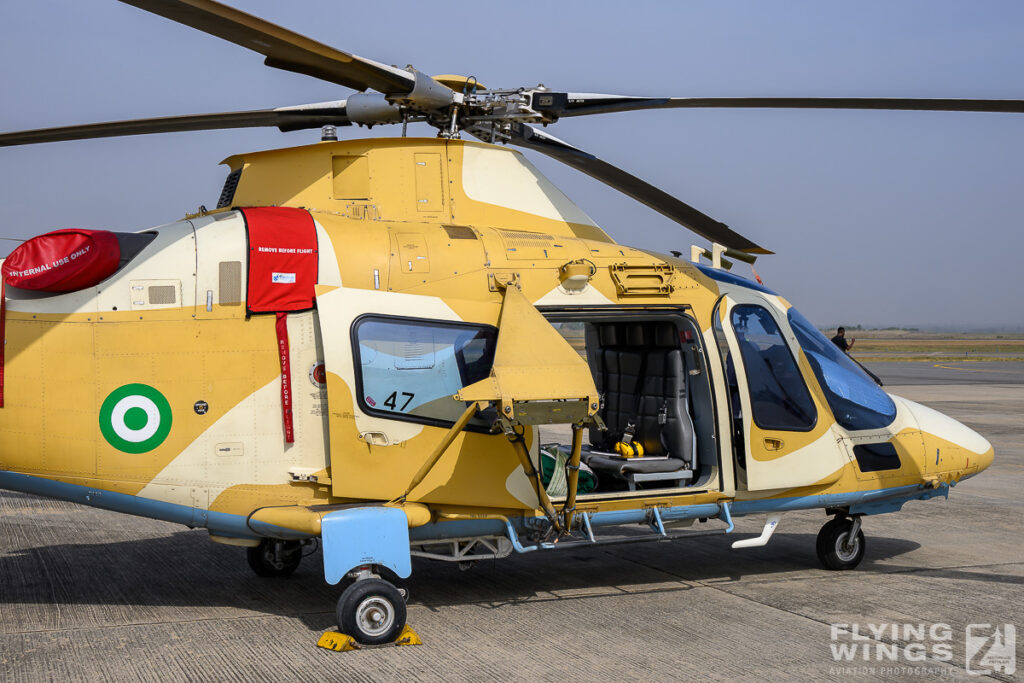
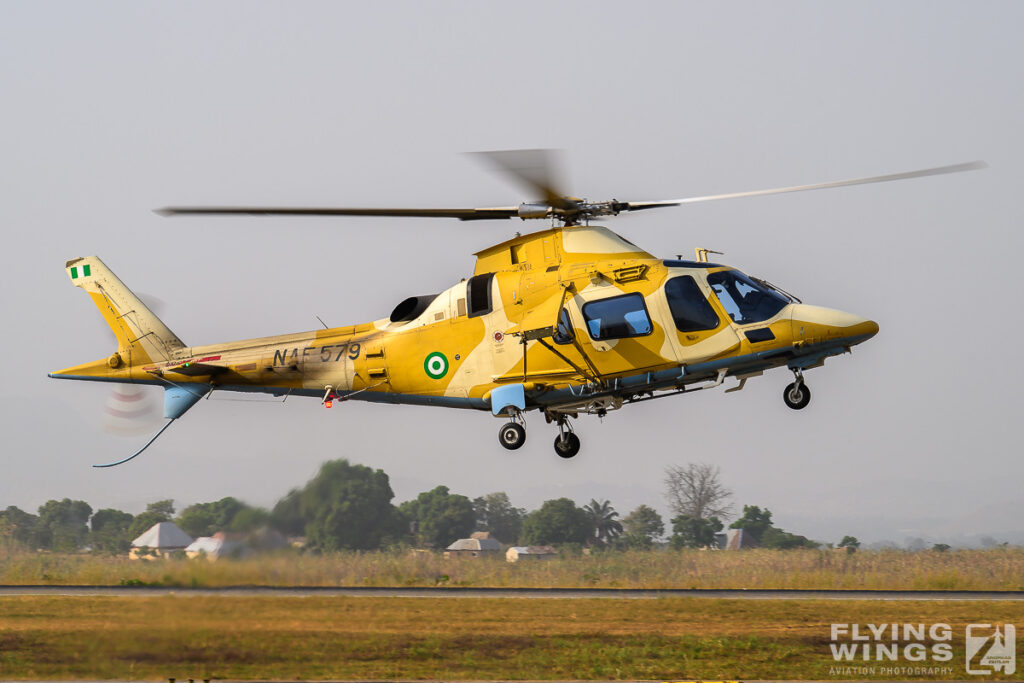
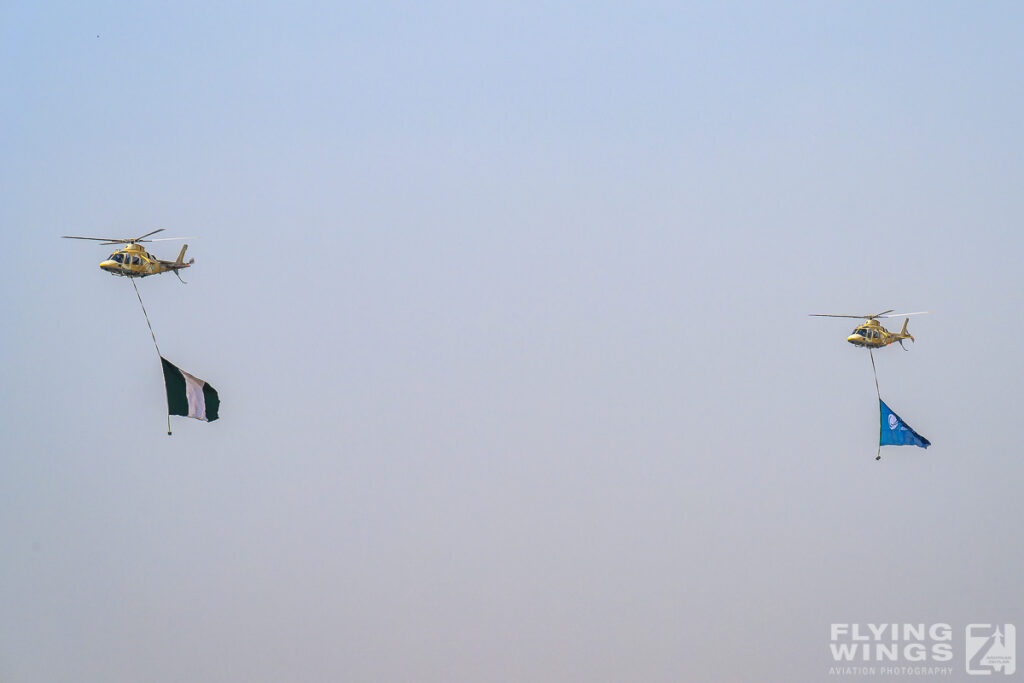
Those two AW109s also formed the entire flying display element. They performed fly-bys during the opening and closing ceremonies, carrying the Nigerian national flag and the airshow flag. The routine was short and symbolic rather than dynamic, but professionally flown.
The undisputed highlight was the single Chengdu F-7NI (NAF811). The aircraft remained static for most of the event but departed on the final day, offering a rare opportunity to observe it during ground checks and taxi operations. Watching the Chinese-built interceptor come alive for its departure on the last show day added a welcome operational dimension to an otherwise static presentation.
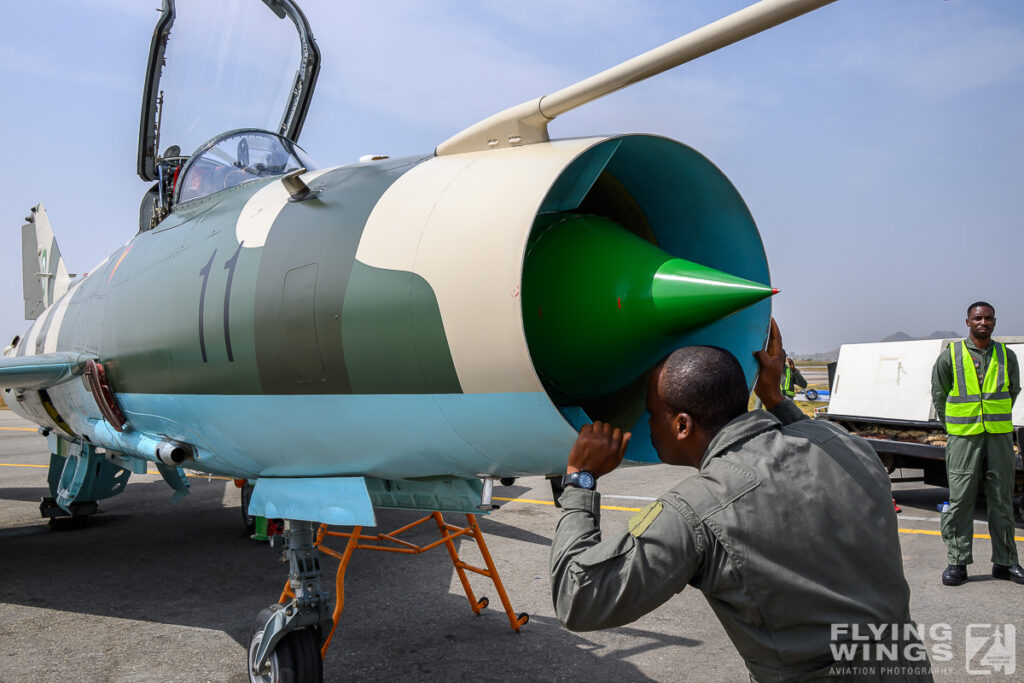
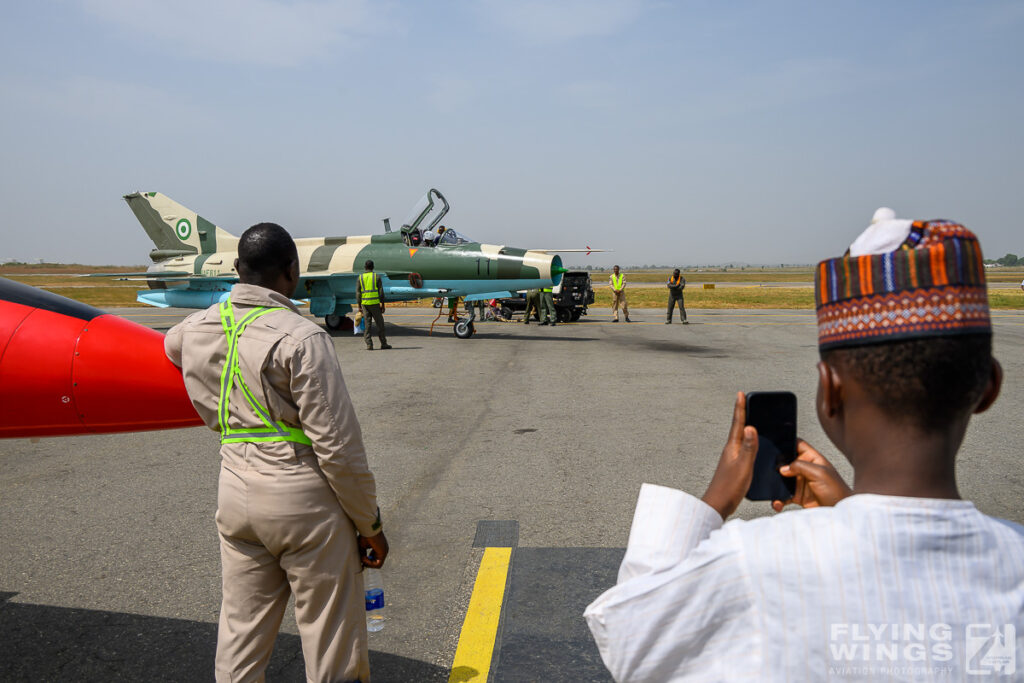
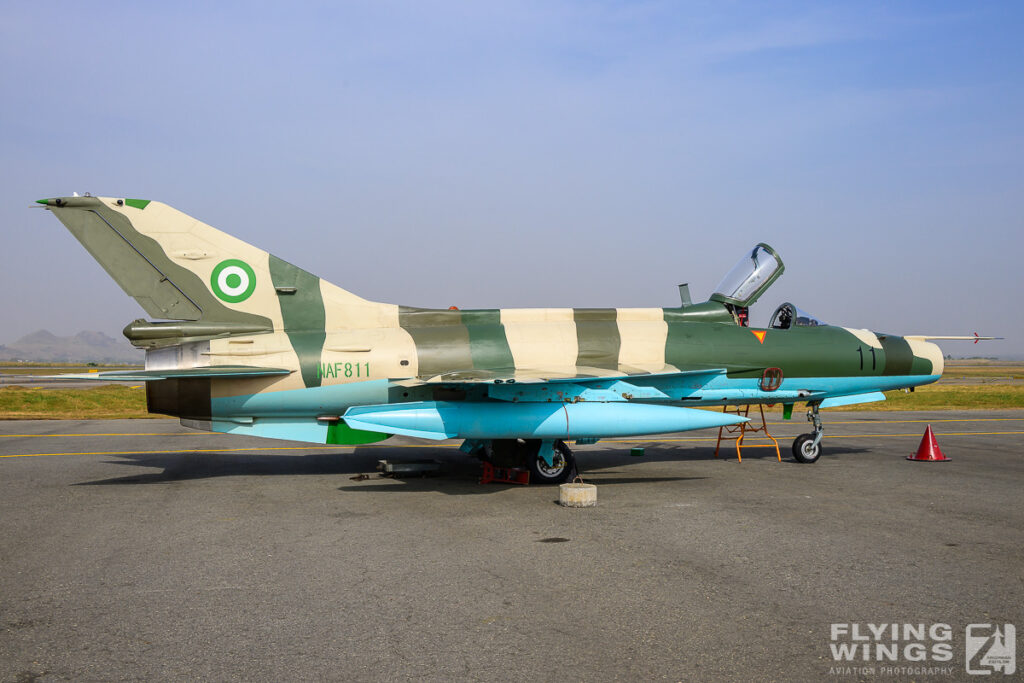
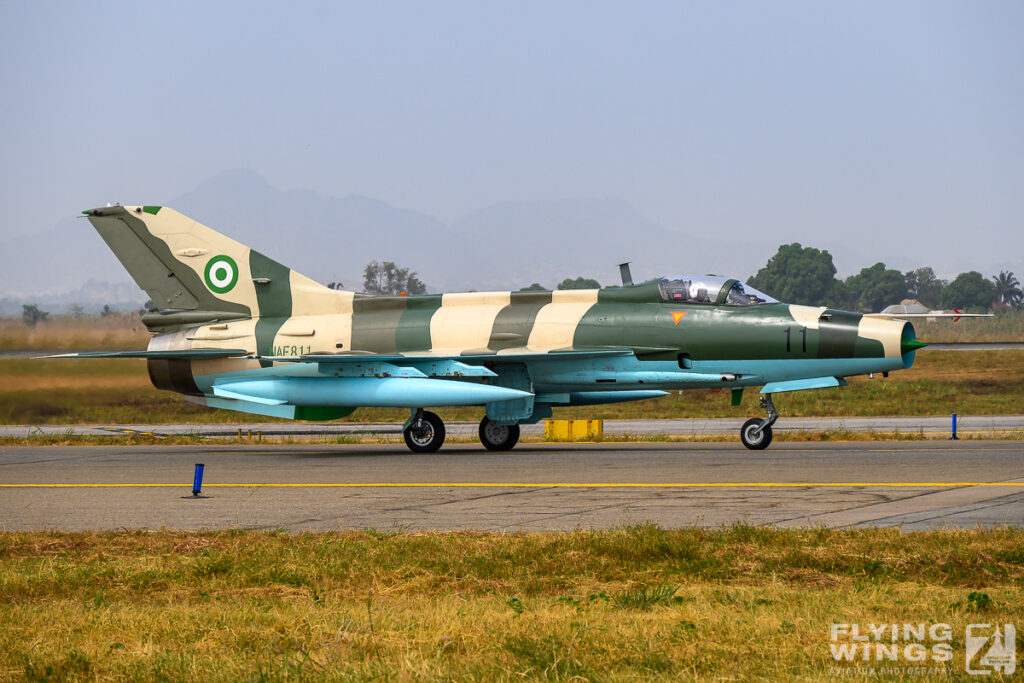
Additional NAF movements included a C-130H Hercules that delivered ground support equipment for the F-7NI. Executive aircraft were also active, including the Dassault Falcon 7X (5N-FGV) bearing the seal of the President of the Federal Republic of Nigeria. Abuja-based 307 Executive Airlift Wing assets such as the Cessna Citation and King Air 300 were seen conducting routine personnel transport missions rather than participating in the show itself.
Atmosphere and photography
The overall ambiance of the event was calm, almost subdued. With only two main tents and wide open ramp space, the airshow felt more like a focused aviation forum than a large-scale public spectacle. The absence of heavy fencing allowed generous access to the aircraft, which was excellent for photography and close inspection.
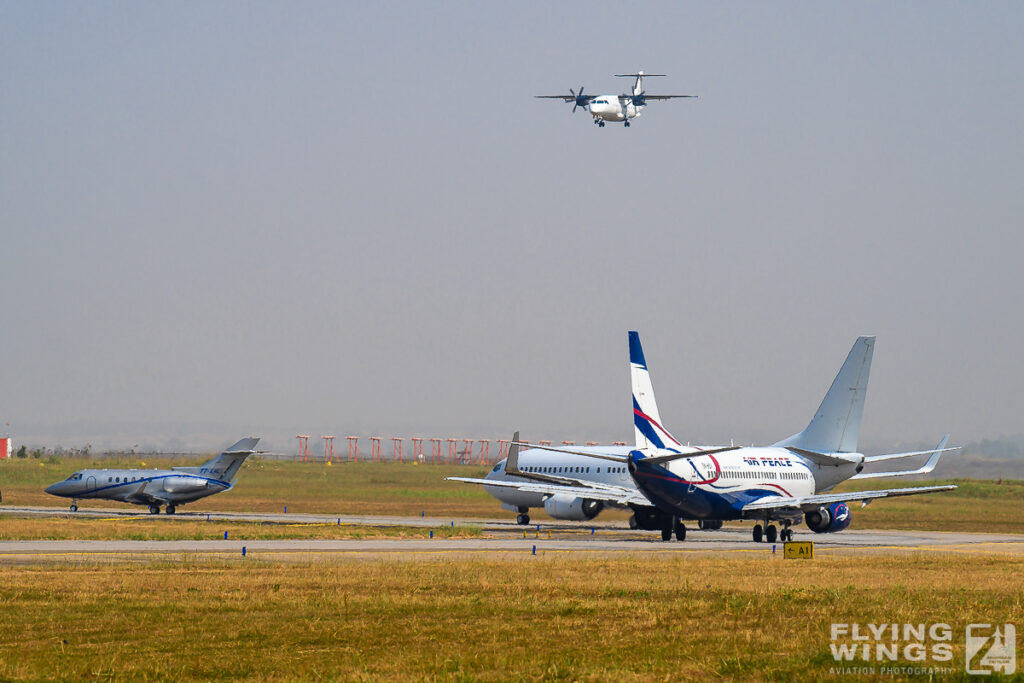
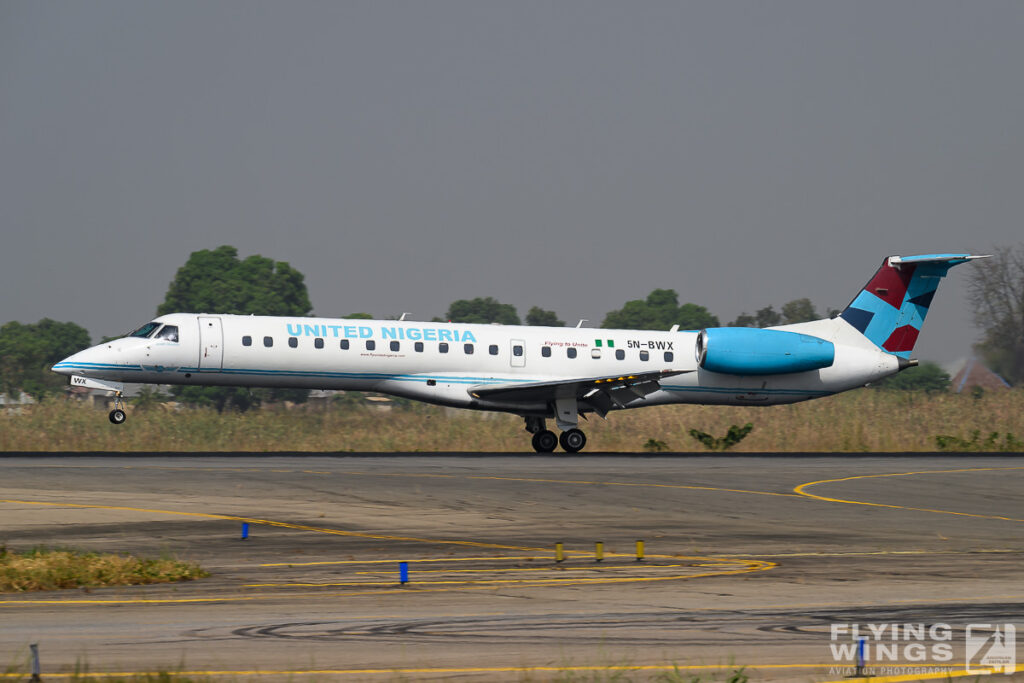
One particularly interesting aspect was the possibility to photograph regular airline traffic at Abuja International Airport. This is rarely possible at many major airports and added significant value to the visit. However, conditions were highly time-dependent. Morning light was favourable, while afternoon backlight and increasing haze made photography challenging. As a result, the photogallery accompanying this report includes a considerable number of Nigerian airliner images alongside the military subjects.
Conclusion
The first Nigeria International Airshow was undoubtedly modest in scale. Visitor numbers were low, the aircraft display limited and the overall footprint compact. From a purely military aviation perspective, the Nigerian Air Force presence felt restrained and left room for expansion in future editions.
Yet it is important to view the event for what it was: a first step. As an inaugural edition, it demonstrated organisational capability, created a platform for dialogue and opened the door for growth. There is significant room for development in terms of scale, participation and public engagement — but every established airshow began in similar fashion.
For Nigeria, this was less about spectacle and more about signalling intent. If future editions build upon this foundation, the Nigeria International Airshow has the potential to become a meaningful fixture in the African aviation calendar.
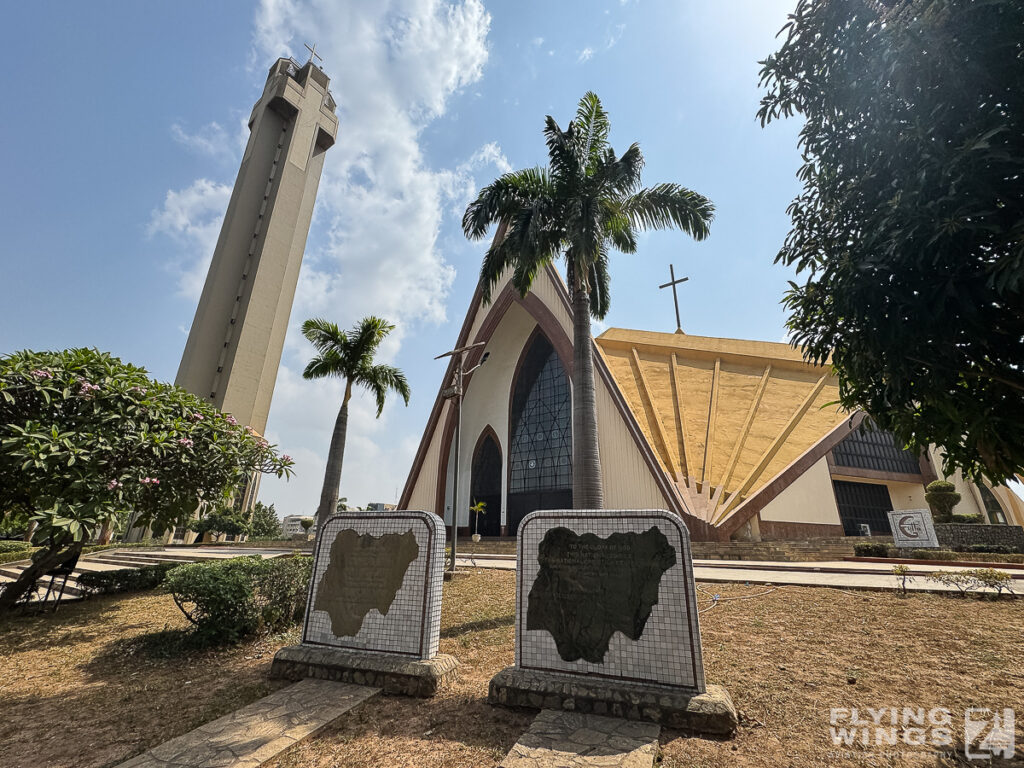

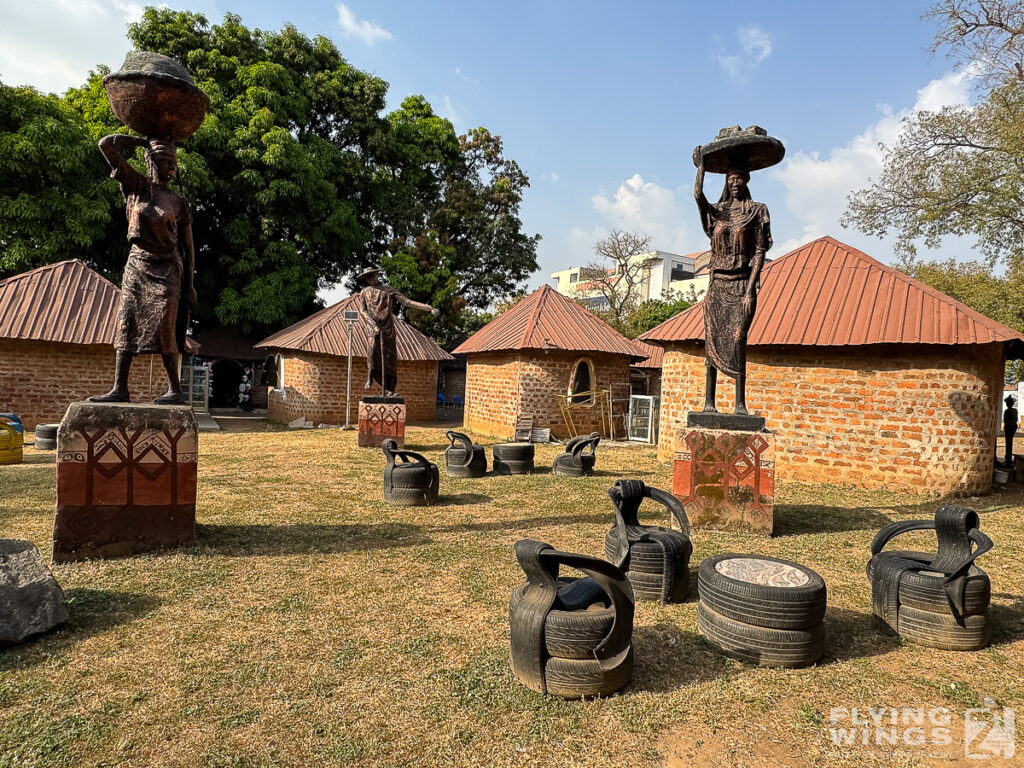
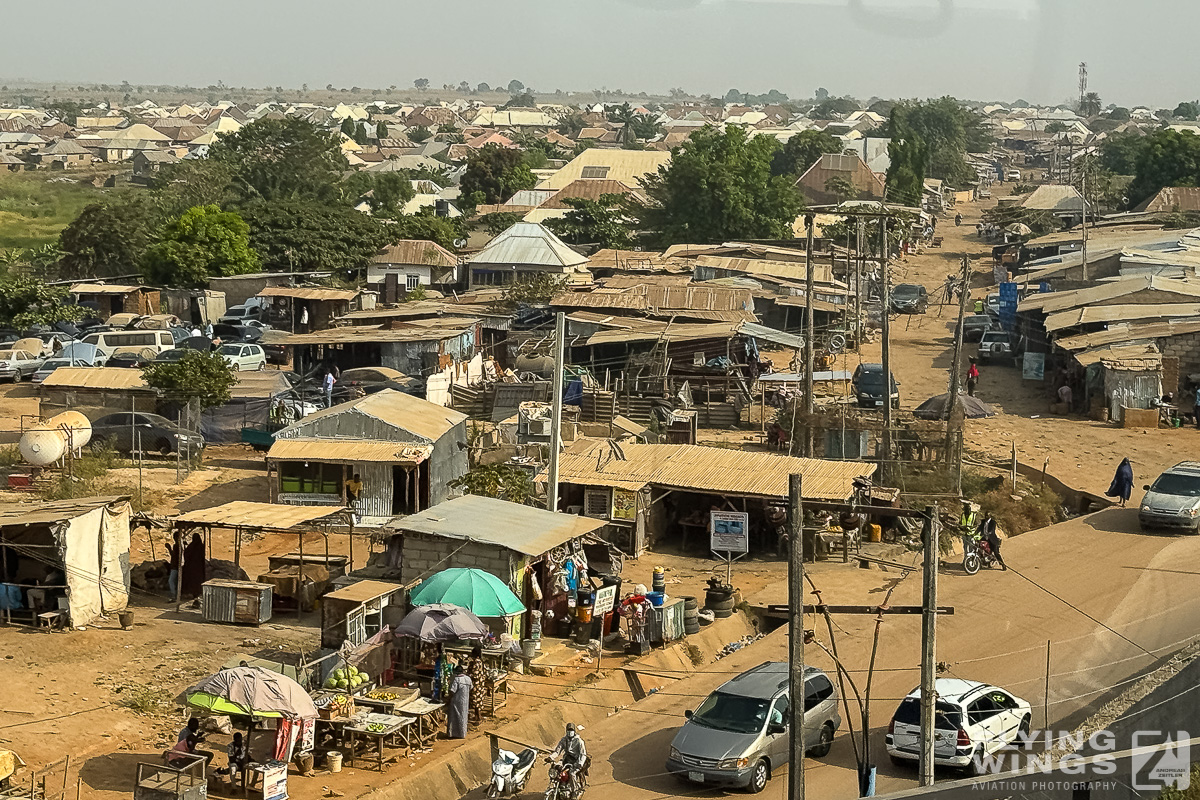
And for me, it was an eye-opening trip to a country that is rarely visited by tourists and I took the opportunity to have a day tour of Abuja as well as I was soaking the impressions from the daily bus rides to the show side. You will find more impressions in the full photo gallery that closes this report. Do not miss those if you are fan of old German cars!
Nigeria International Airshow 2025 at Abuja – Photo Gallery


You May Also Like
Bucharest International Air Show 2018 – BIAS
EAA Airventure Oshkosh 2013