Colombia’s Jungle DC-3s: Flying to Mitú, Carurú and Barranco Minas
In 2015, I travelled to Villavicencio for the first time, hoping to see Colombia’s DC-3s at work. I watched the Dakotas come and go, but I never managed to arrange a flight. The experience left me determined to return. Two years later, I was back in Villavicencio—and this time, I spent two days flying aboard the aircraft I had come to see.
On one trip, I flew with Allas to Mitú and Carurú; on another, I travelled with Air Colombia to Barranco Minas. These were not simply scenic flights. Each destination lay deep in the Colombian jungle, far from any road network, and depended on aircraft for transport and supplies. For years, the security situation associated with guerrilla activity had made journeys like these seem out of reach. Being able to make them in 2017 was an extraordinary experience, and one that helped lay the foundations for lasting friendships and many more trips to Colombia.
The DC-3: a lifeline for Colombia’s remote communities
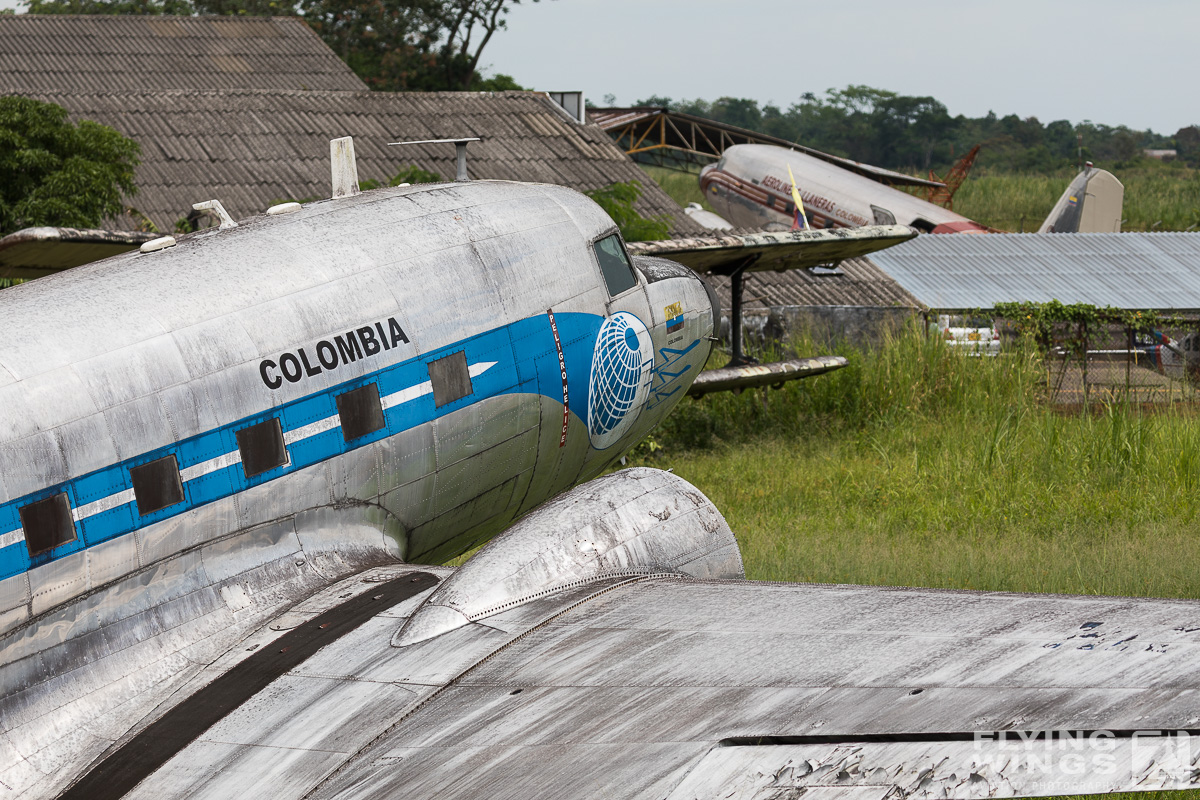
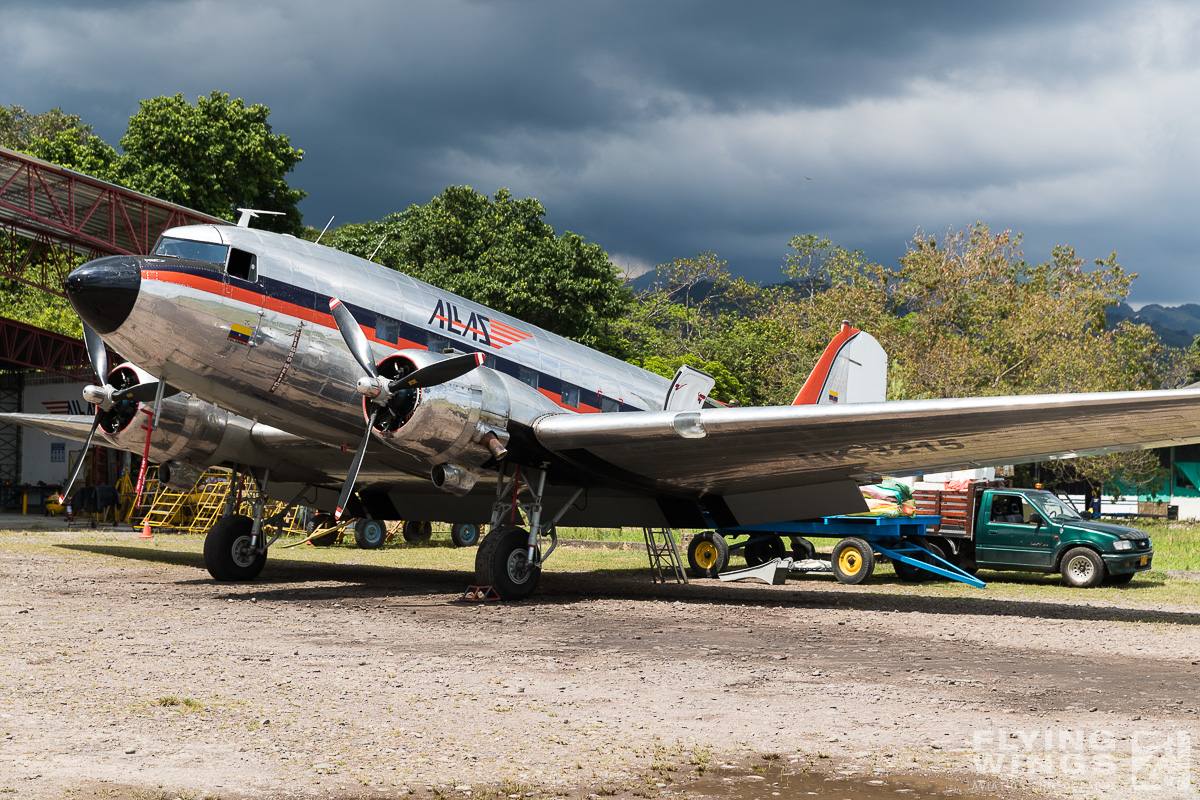
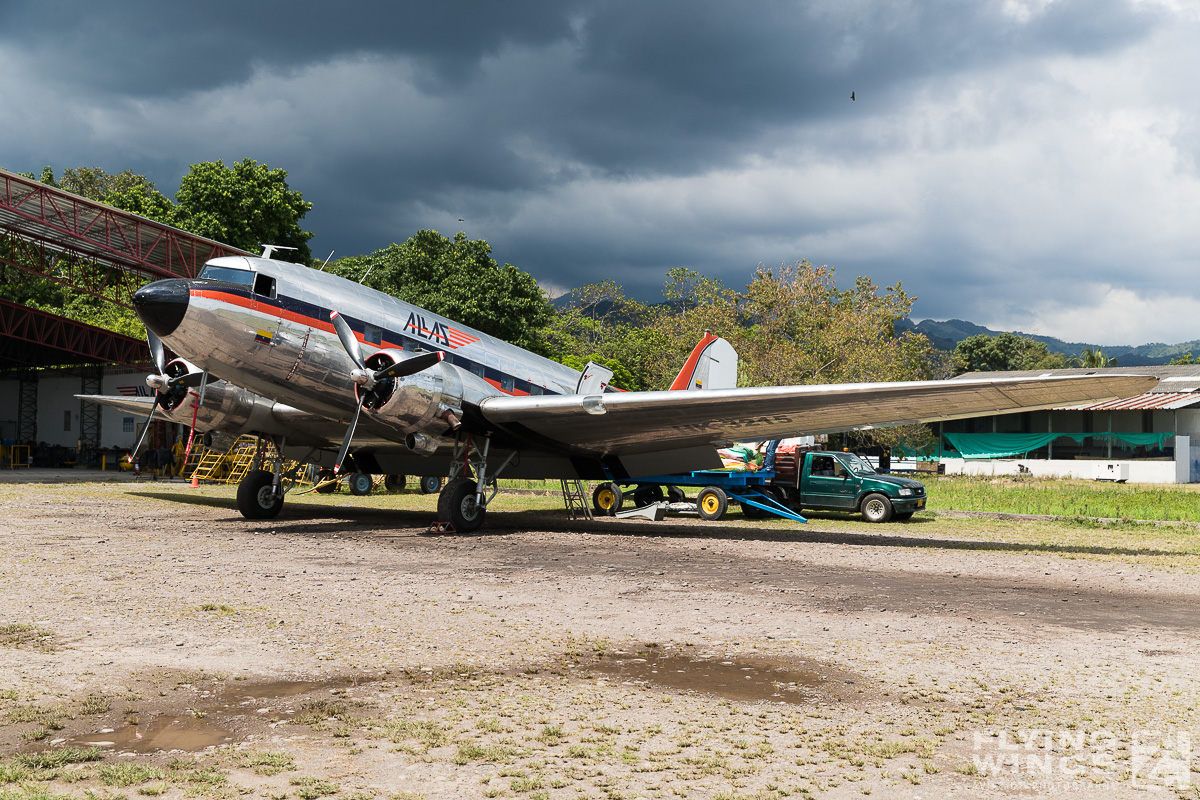
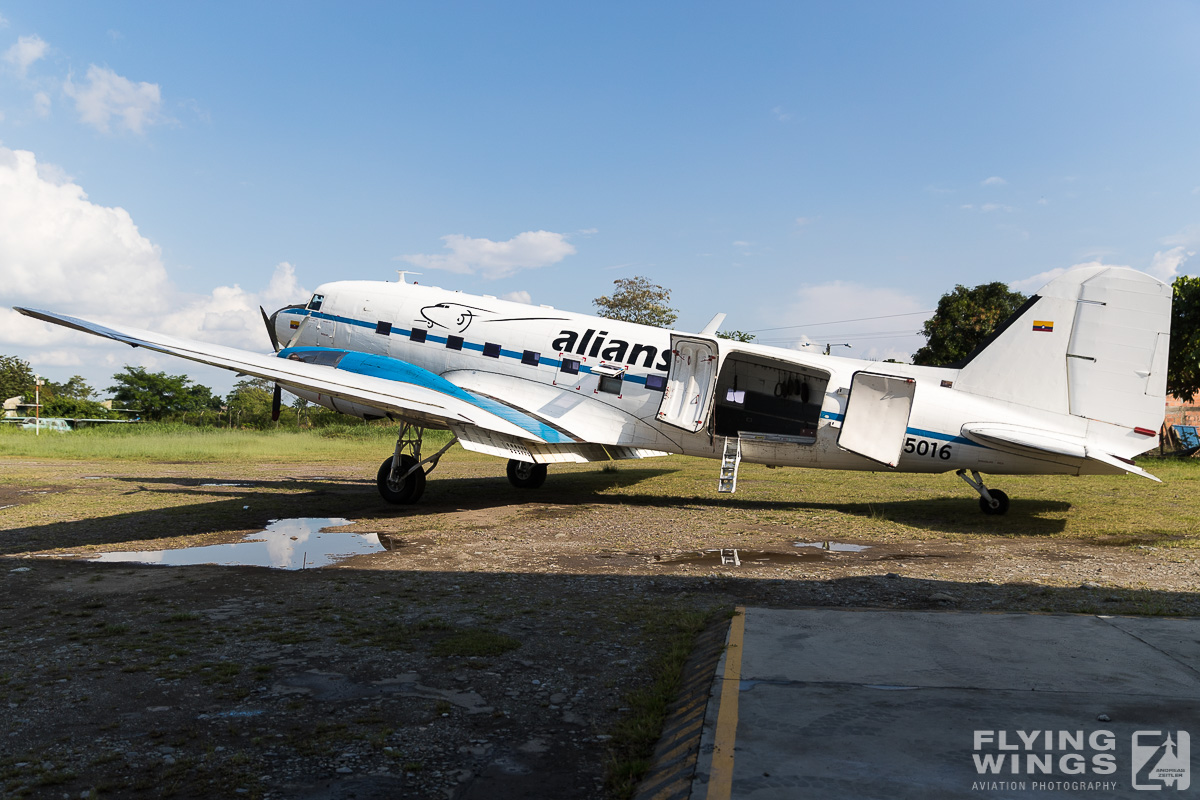
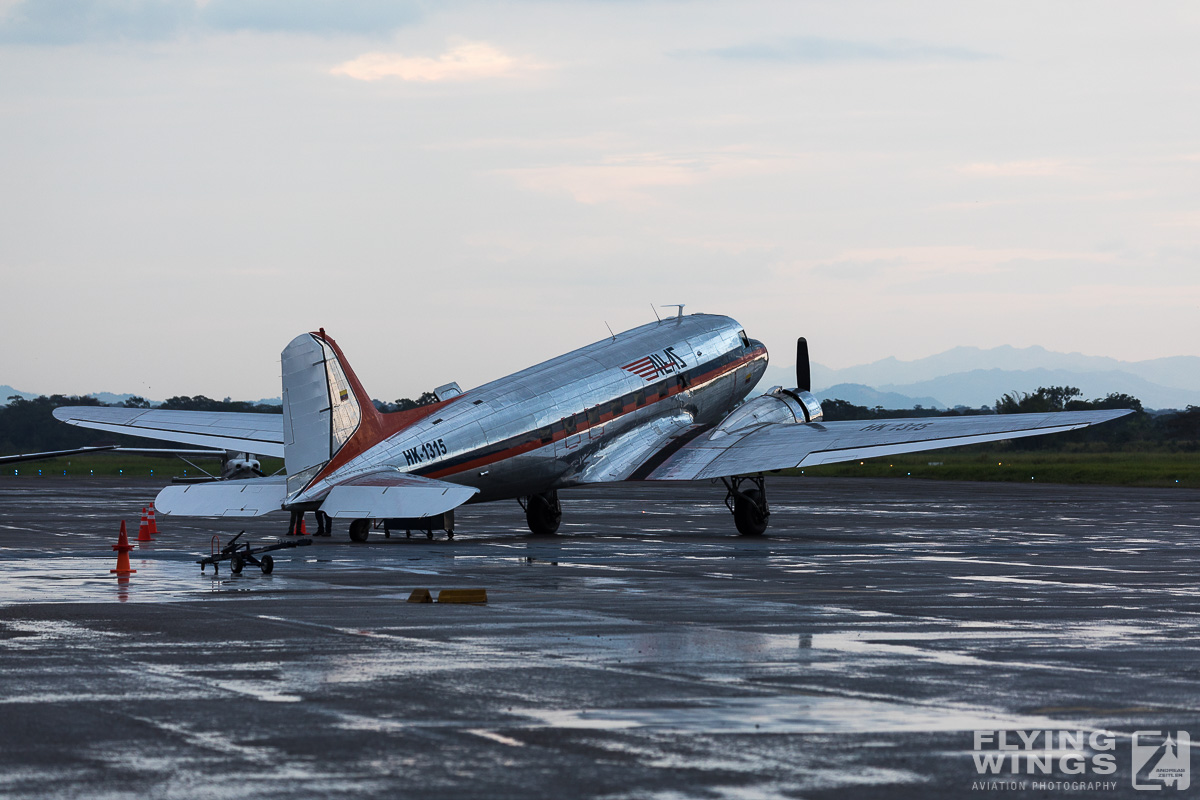
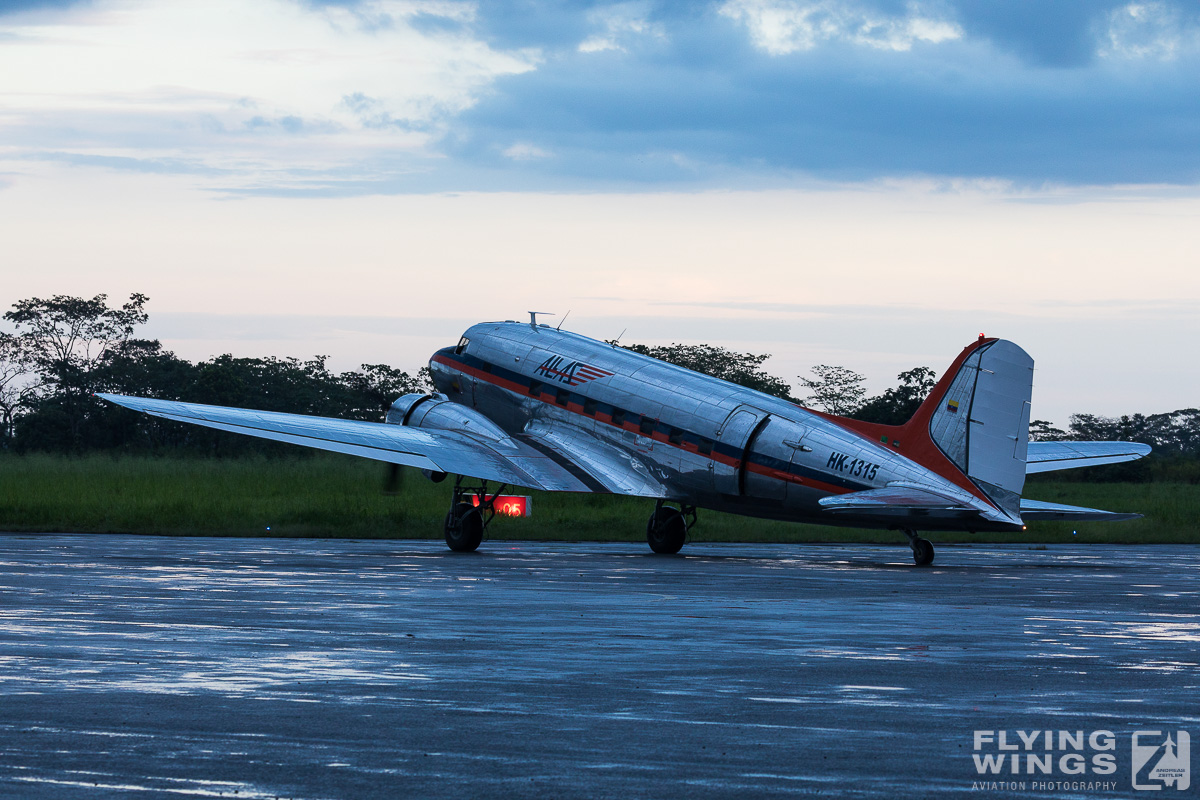
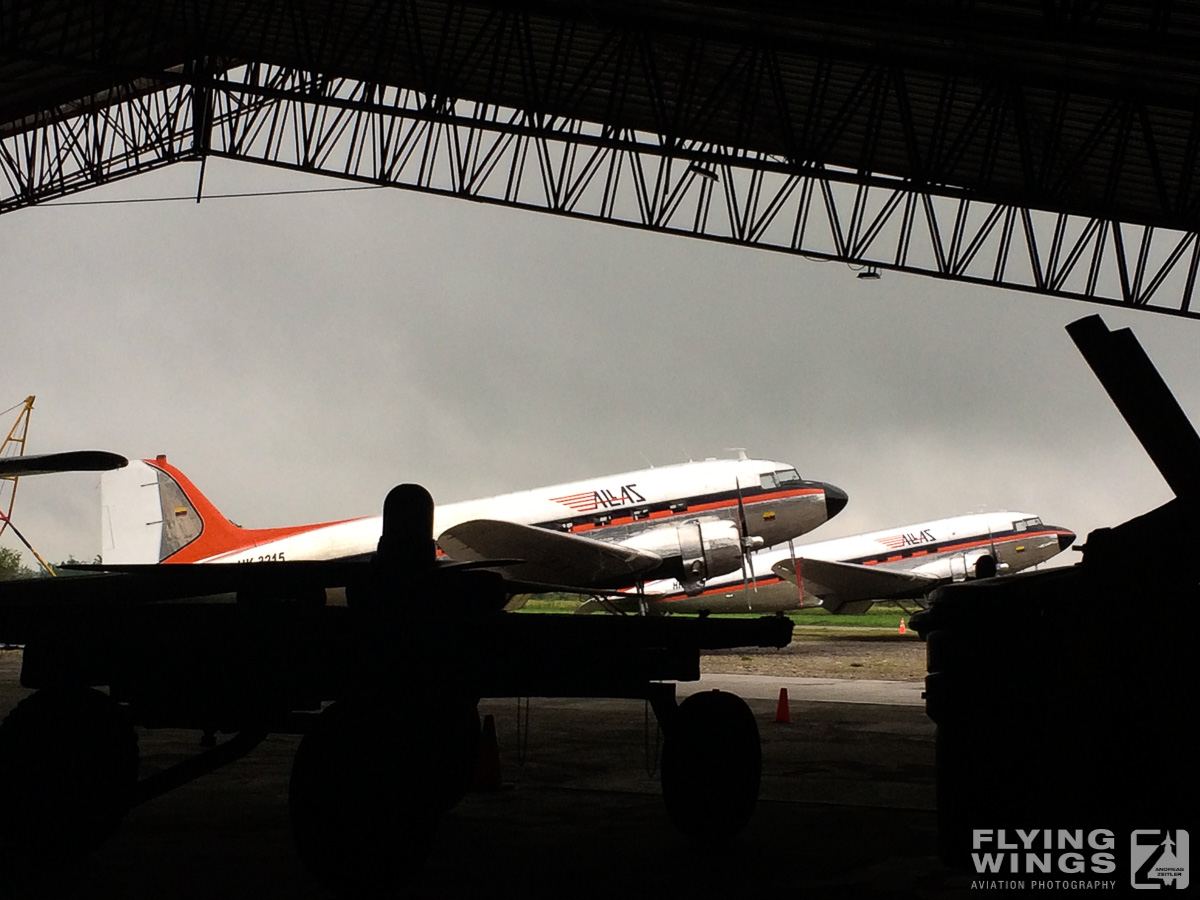
South of the Andes, Colombia’s vast, sparsely populated lowlands stretch across an area comparable in size to France. Villavicencio, around 90 kilometres from Bogotá by road, is an important gateway to this remote region. From here, aircraft connect isolated communities with the rest of the country—and the venerable Douglas DC-3 Dakota still plays a major role.
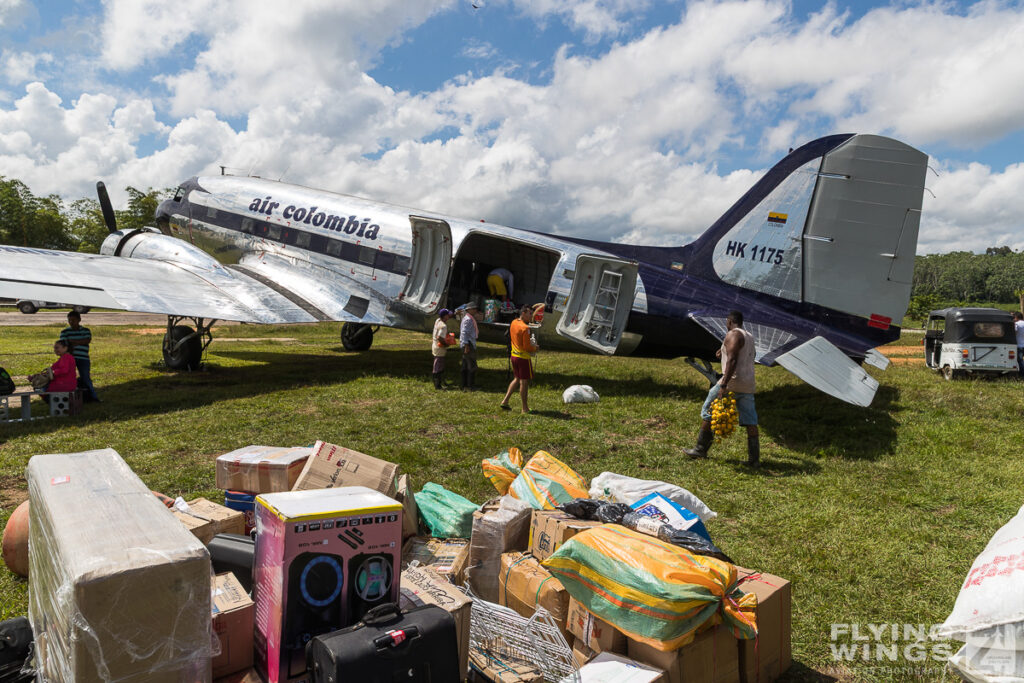
Many of the aircraft at work were built in the early 1940s. By the time of my visit, they were roughly seven decades old, yet their captains had spent much of their own long flying careers at the controls of the same type. Some had flown the DC-3 for more than 30 years and accumulated 20,000 to 30,000 hours in the air. They called it the “mother of all aircraft” and seemed to have little desire to trade the left-hand seat for any other cockpit in the world.
A cargo hold full of everyday essentials
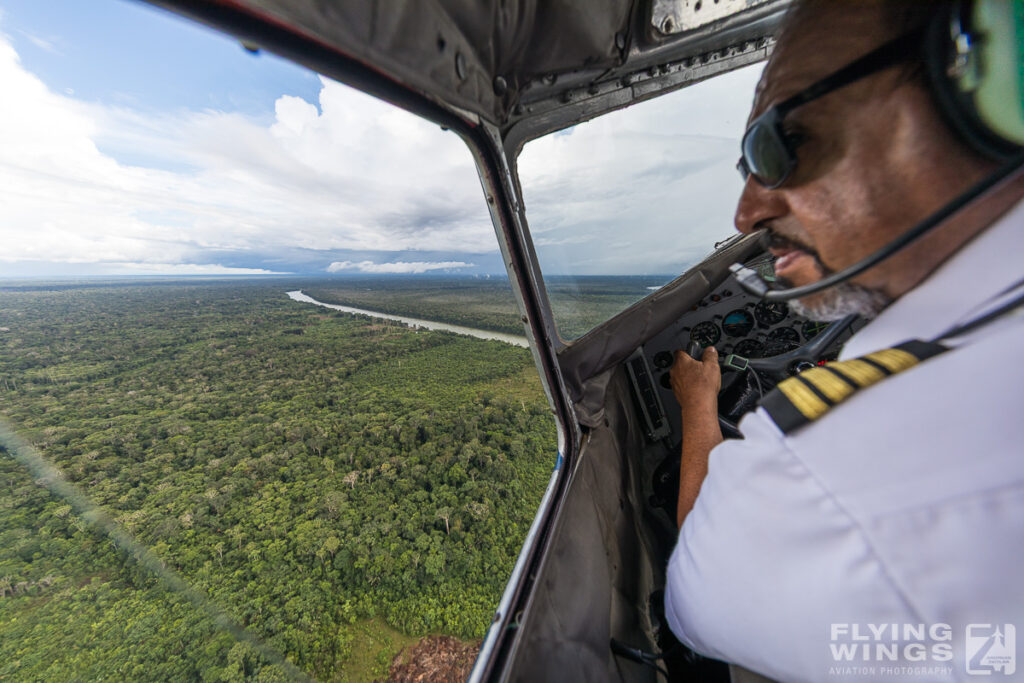
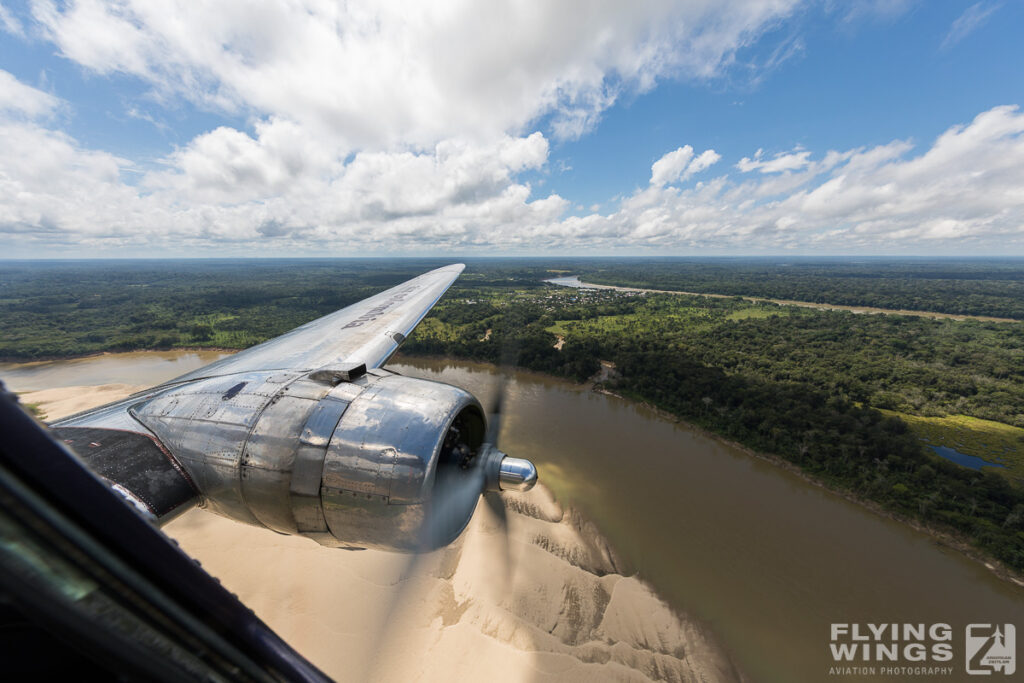
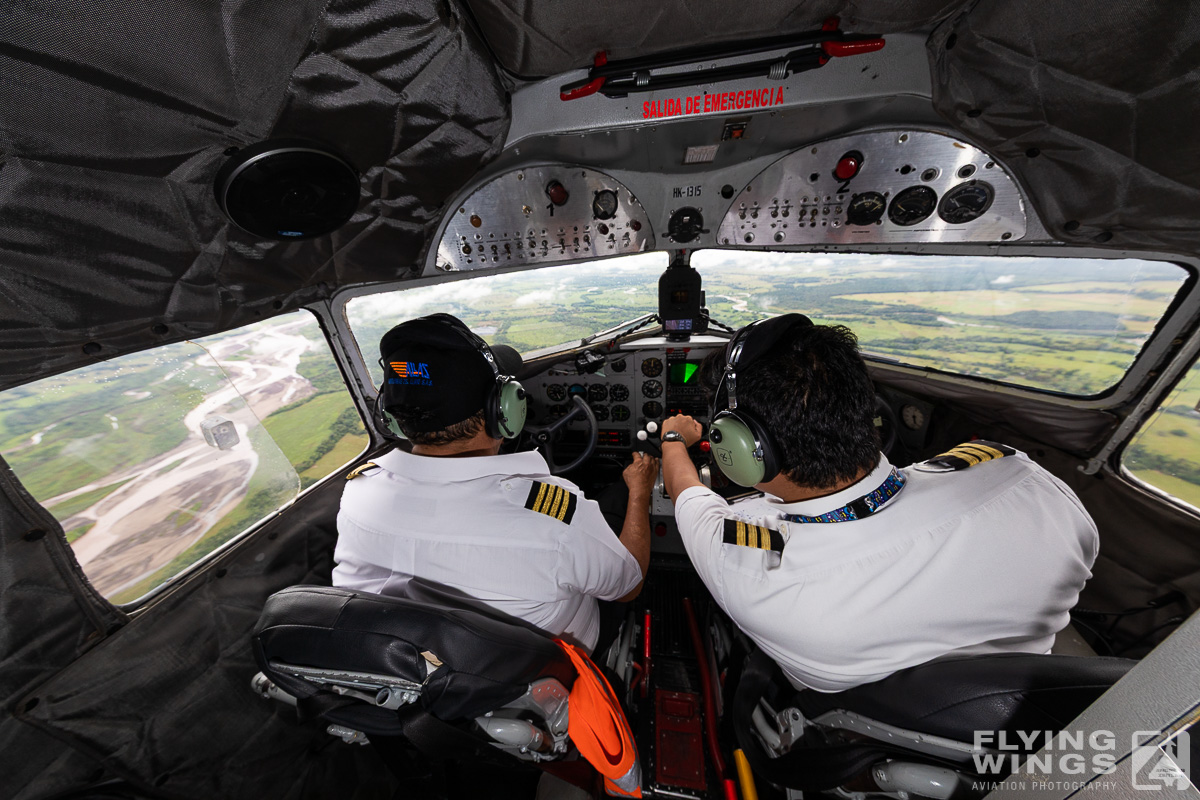
From my jump seat in the cockpit, the two Pratt & Whitney radial engines drummed steadily as the Dakota crossed an endless green landscape. The forest was broken only by rivers, their brown waters flowing towards the Orinoco and the mighty Amazon. At 9,000 feet, the aircraft settled into its cruise at around 130 knots.
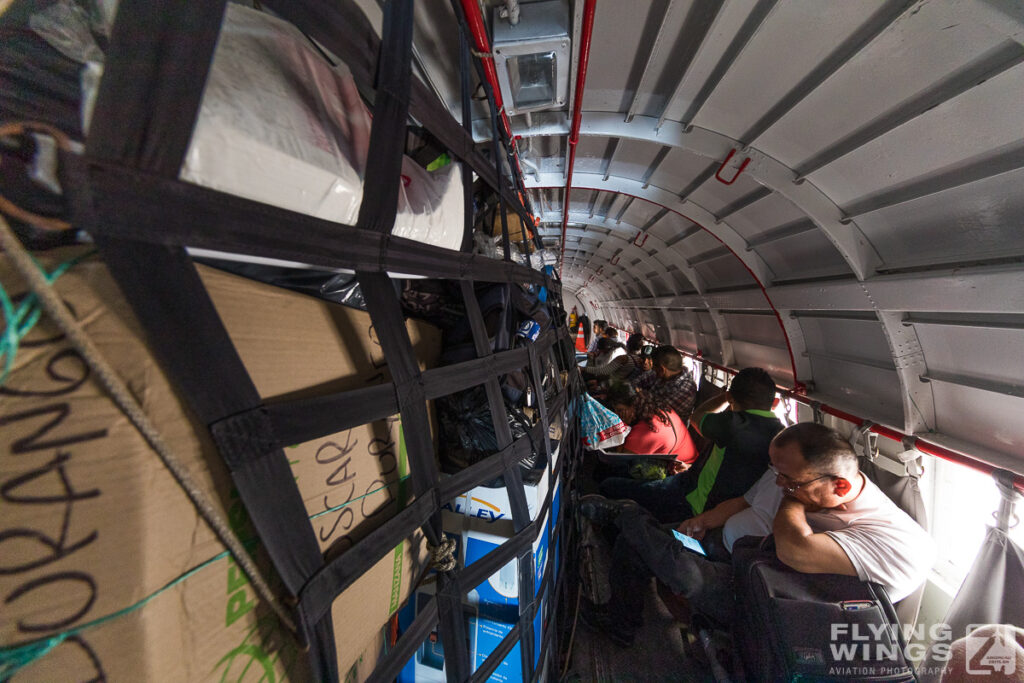
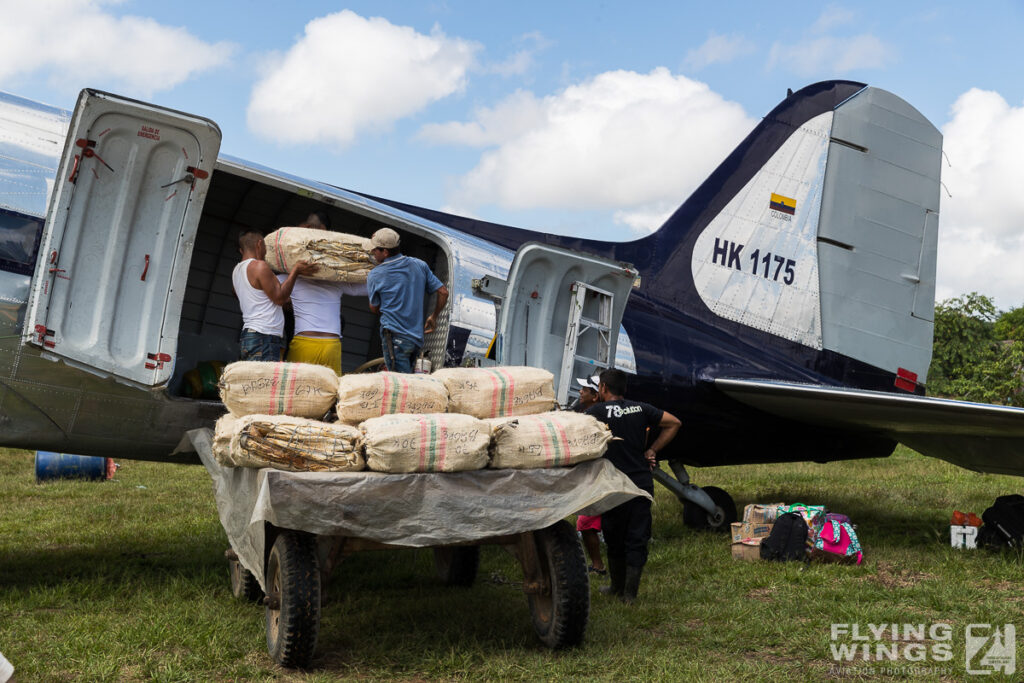
Inside, the cabin was crowded. Passengers sat shoulder to shoulder on narrow benches running along the sides, while a tightly stretched cargo net bulged above them. Behind it lay boxes and suitcases packed with everyday goods and secured with generous amounts of tape. Bicycles were lashed into the load, a motorcycle stood at the rear, and chicks chirped from their transport cartons.
The DC-3’s cockpit instruments were largely original, apart from the radios and weather radar. A modern navigation display showed a direct course to Carurú, but the jungle airstrip had no airport code to enter. Here, navigation still ended with finding a narrow red brown clearing in a vast green forest.
Landing on a jungle airstrip
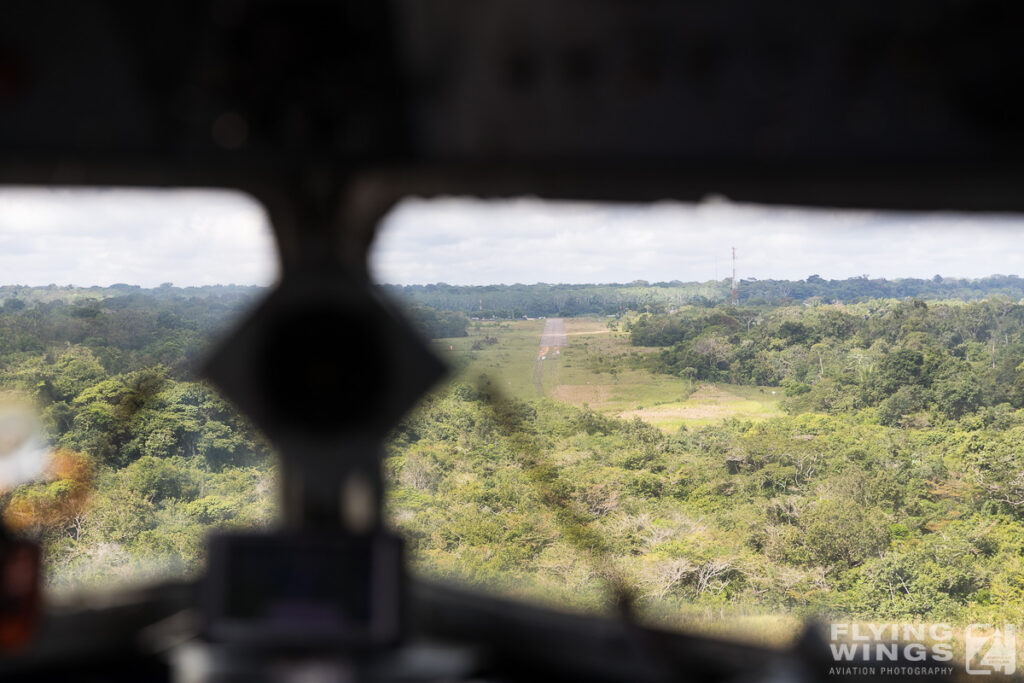
About 30 minutes before reaching Carurú, the pilots began their descent. The cool air at altitude gradually gave way to the heavy, humid heat of the jungle. Colourful patches appeared in the green canopy: flowers spreading across the branches of entire trees. Through the tropical haze, the pilot picked out the reddish strip of the airfield, which after recent rain looked more like a rutted forest track.
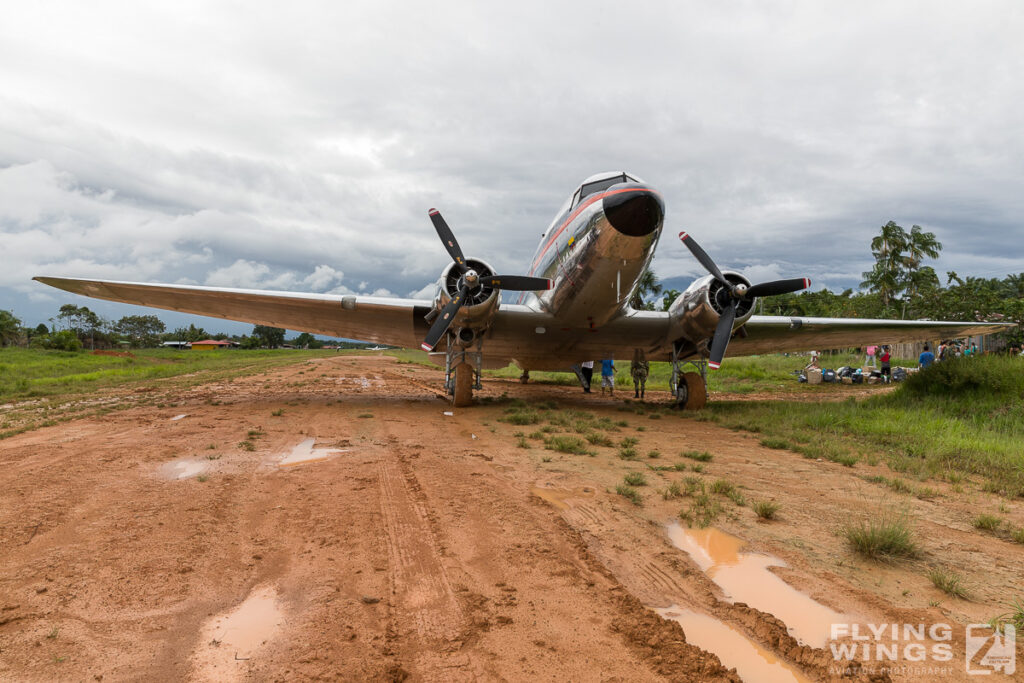
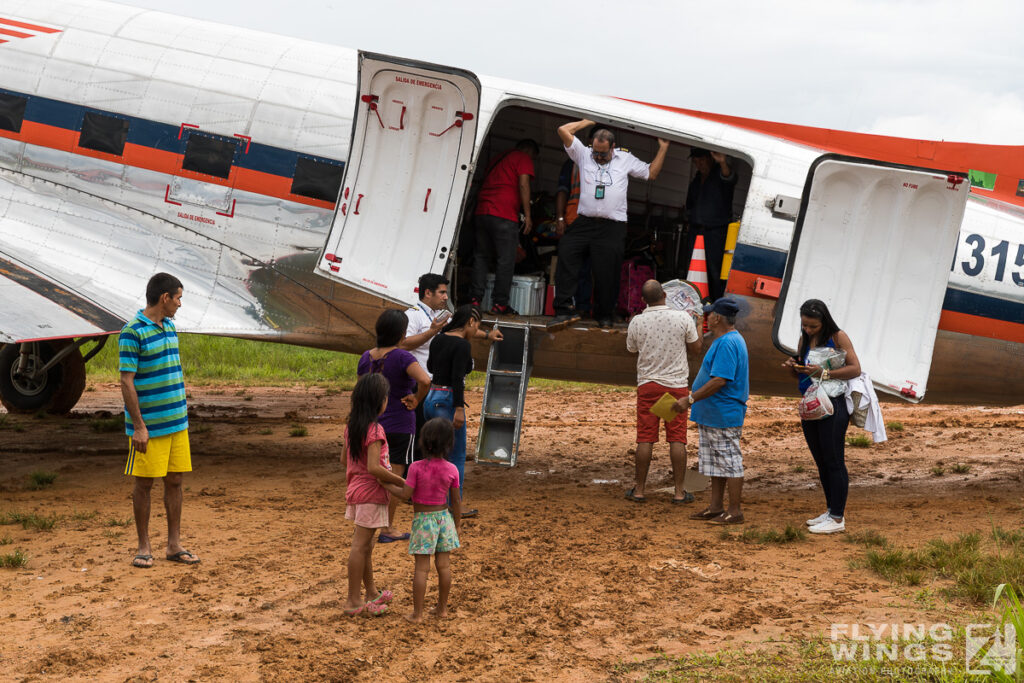
The DC-3’s wheels hit the red mud with a heavy thump. Keeping the aircraft straight and slowing it down demanded hard work on the rudder pedals. For the seasoned jungle pilots, handling the Dakota on a wet, uneven strip was part of the job.
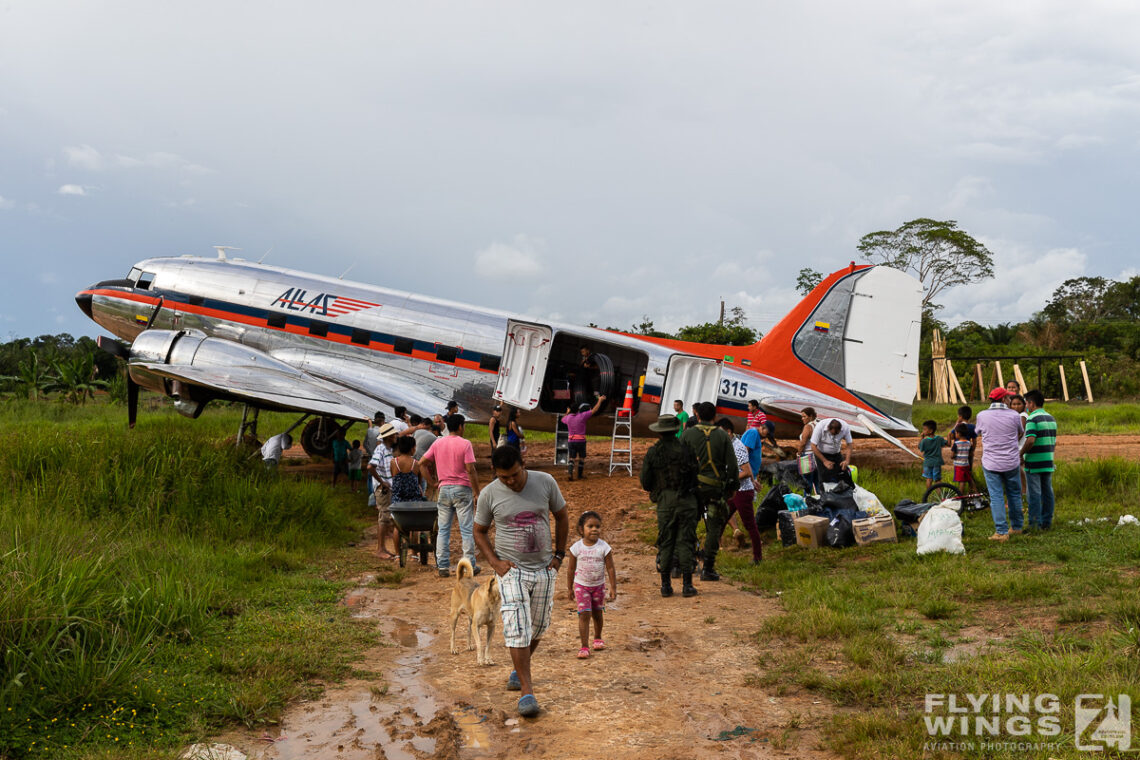
People streamed out from the huts beside the runway as the aircraft rolled to a stop. Even after decades of service, the Dakota remained one of the lifelines connecting these communities with the outside world. A DC-3’s arrival could bring almost festive excitement.
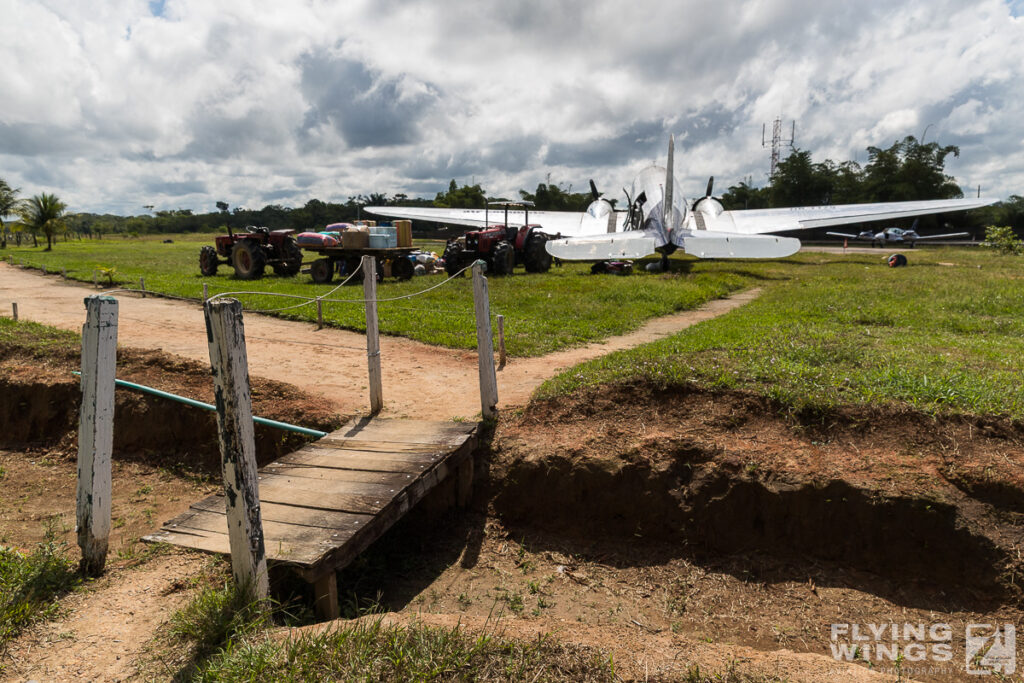
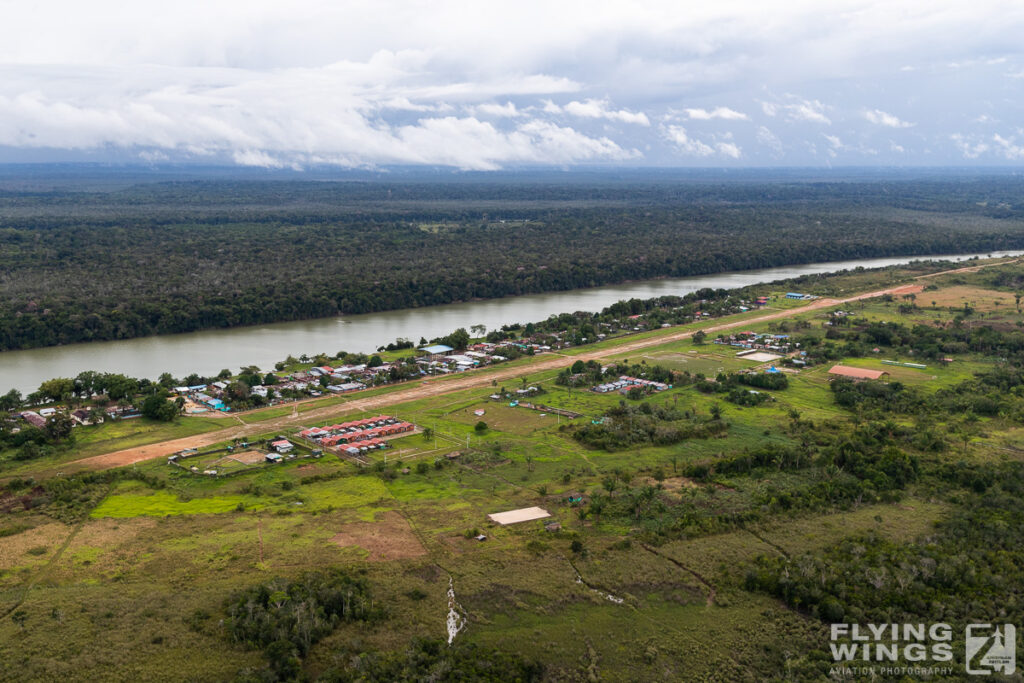
Some jungle airstrips were gradually being improved, with sections of asphalt making them more reliable in the region’s persistently wet climate. That also allowed smaller air ambulances to reach remote settlements and carry patients to medical care. But few aircraft could match the DC-3’s ability to carry large or bulky loads into such isolated places. Its operating costs and straightforward maintenance helped make it a trusted workhorse for pilots and passengers alike.
Two Dakotas on one short runway
As our aircraft was unloaded, another DC-3 approached from the opposite direction. It flew over the parked Dakota and touched down just beyond it, making the most of the short strip. The manoeuvre looked daring at first, but for the pilots it was a practical way to use every available metre.
Within 15 minutes, our cargo hold had been emptied and the return load brought aboard. The engines started, and the tension in the cockpit was easy to sense. At the far end of the runway stood the second DC-3, while deep puddles and ruts promised a demanding take-off.
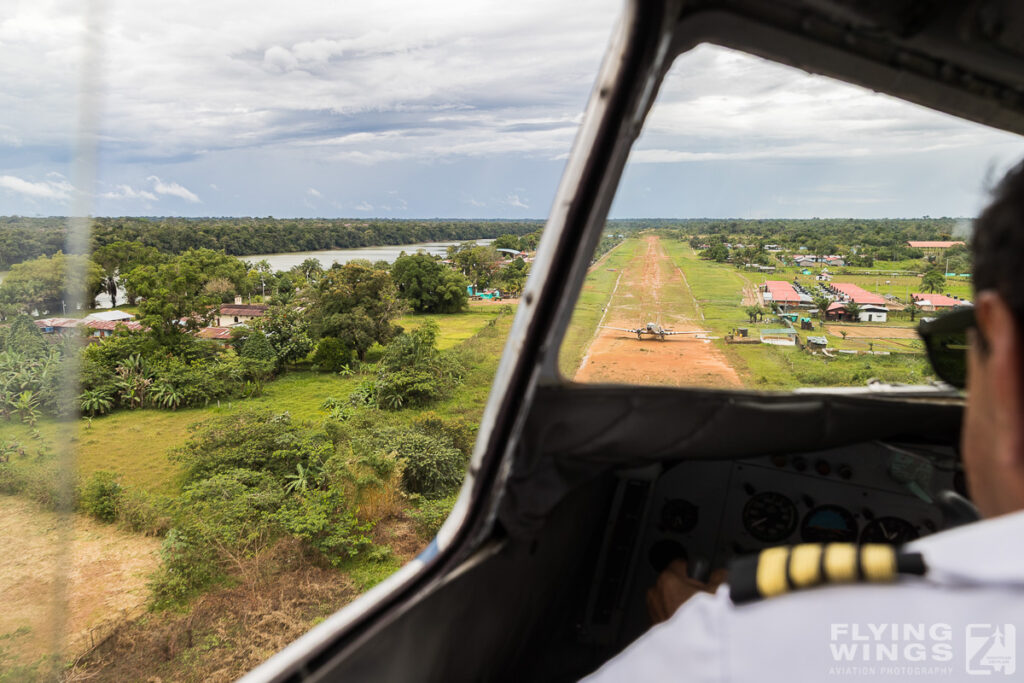
The co-pilot worked alongside the captain as they brought the radial engines up to take-off power. The Dakota shook and vibrated, edging forward even before the brakes were released. Acceleration was strong, but the landing gear took a series of hard blows as the aircraft bounced across the muddy strip. After several jolts, it finally lifted clear.
We passed above the end of the runway and the other parked Dakota, then turned for a farewell flypast. Dark-red tyre tracks marked the take-off and landing in the mud. A thumbs-up appeared from the open cockpit window as the crew waved goodbye to the people on the ground and the pilots of the other aircraft.
The long flight back to Villavicencio
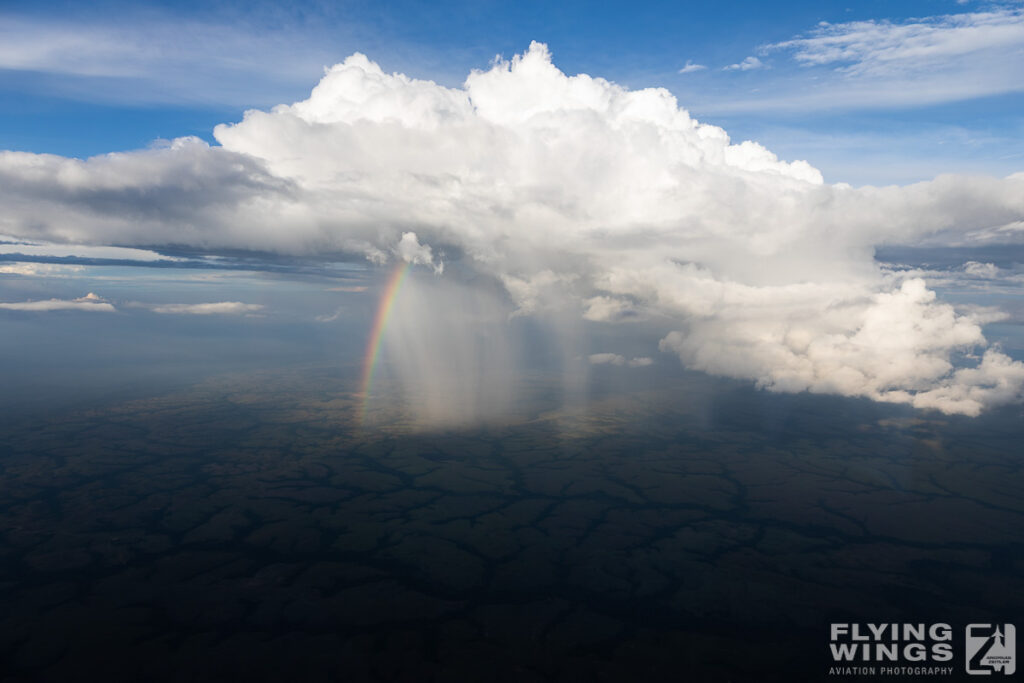
Once we had climbed to cruising altitude, the return flight began. We passed through a light rain shower, with drops pattering loudly against the Dakota’s skin. The crew extended the landing gear to use the rain to wash some of the mud from the wheels and undercarriage.
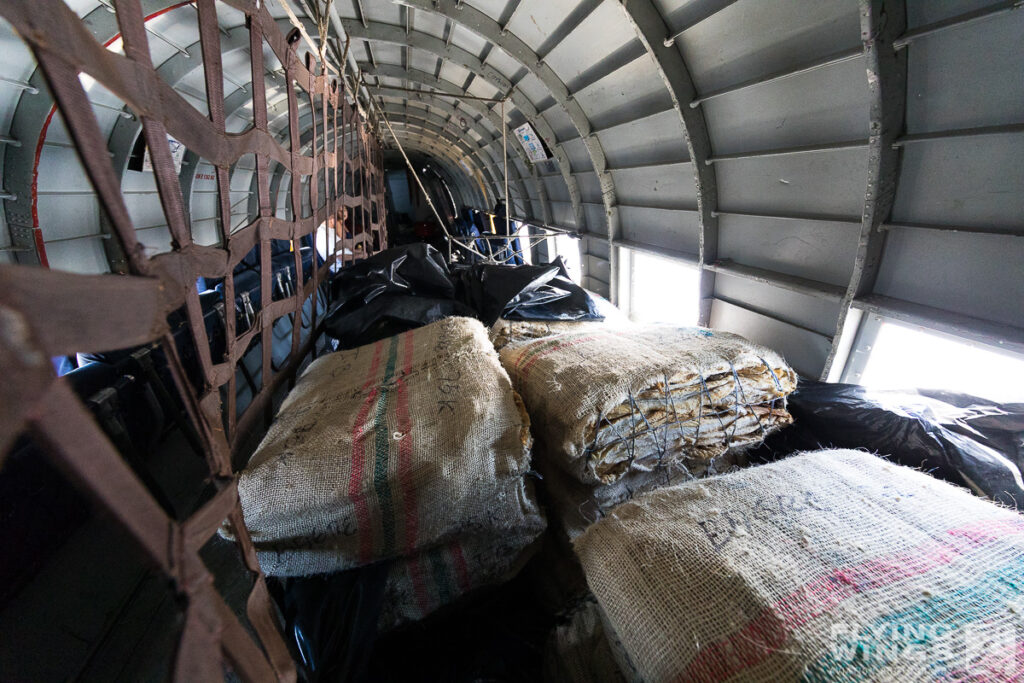
By then, the cabin had filled with the pungent smell of dried fish. It was not the most pleasant part of the journey, and the airflow from the cockpit did little to disperse it. The passengers settled in for the roughly two-hour flight back to Villavicencio, where another load was already waiting for the next DC-3 supply run into the Amazon basin.
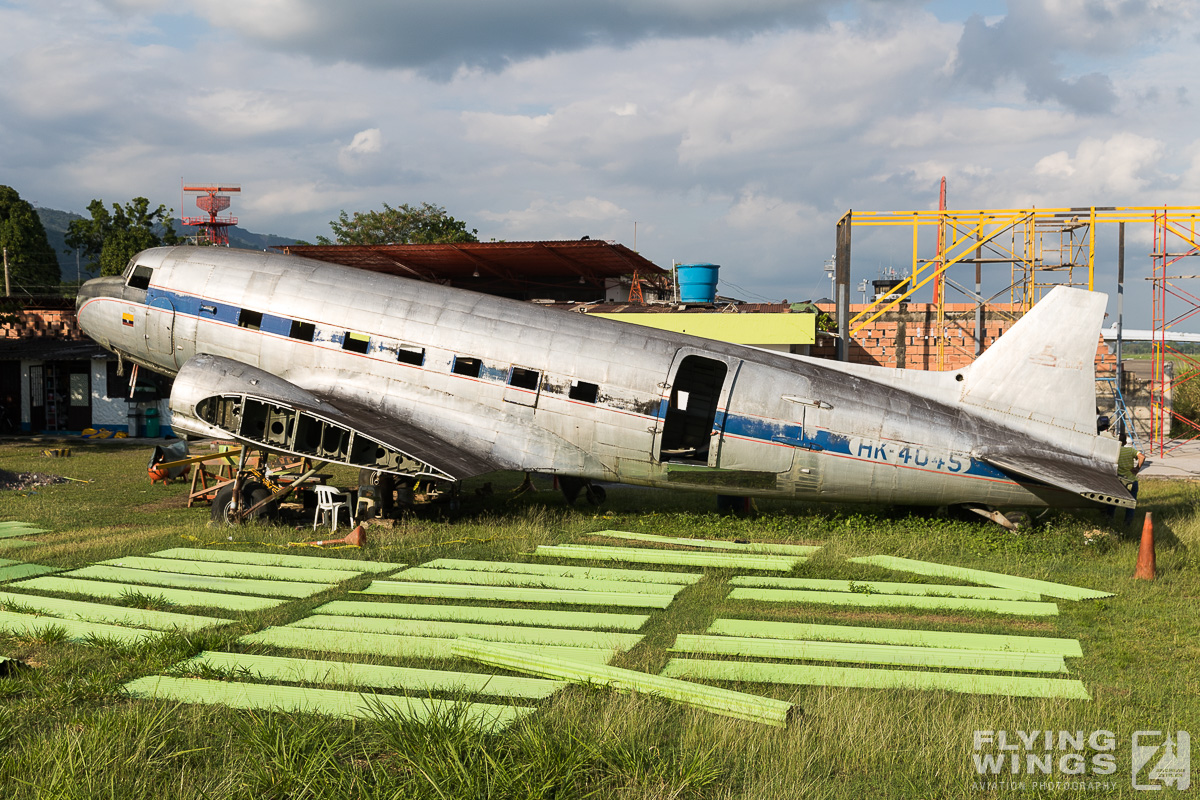
My two days aboard Colombia’s jungle DC-3s remain among my most memorable aviation experiences. The flights to Mitú, Carurú and Barranco Minas offered a close look at a way of life in which an old transport aircraft still connected isolated communities to the wider world. In the years that followed, many of the aircraft and airlines I had seen disappeared, and the volume of traffic I witnessed in 2015 and 2017 never returned. But those journeys gave me more than photographs: they led to friendships and to many more returns to Colombia.
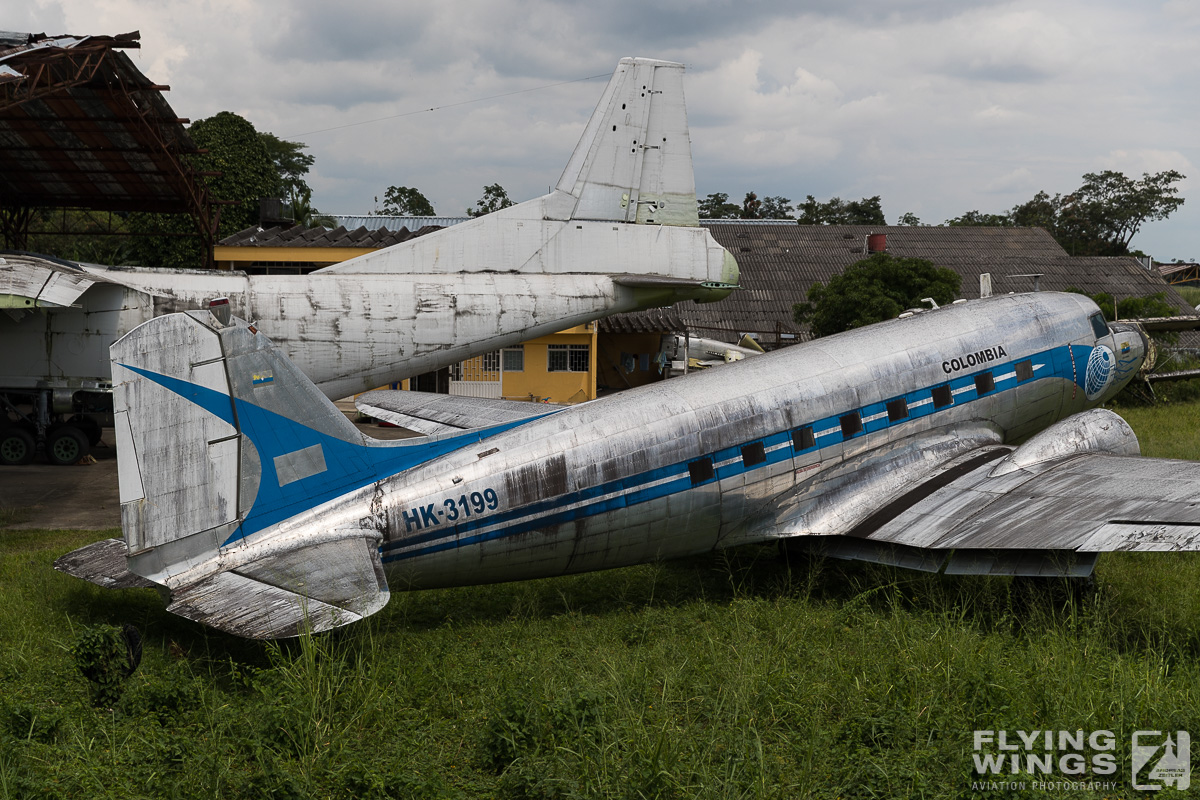
Colombia’s Jungle DC-3 Flights: Photo Gallery



You May Also Like
Kiwi Aviation Adventures
Chasing Tigers in Taiwan – ROCAF over the Fence