Pitch Black 2026: The Indo-Pacific’s Largest Air Combat Exercise
More than 100 aircraft, around 2,500 personnel and participants from 21 nations came together in northern Australia for Exercise Pitch Black 2026. Conducted from 20 July to 7 August, the Royal Australian Air Force’s largest multinational air combat exercise combined modern fighters, electronic warfare aircraft, airborne early warning platforms, tankers and transports in increasingly complex coalition missions.
Flying operations were conducted from RAAF Bases Darwin, Tindal and Amberley, with the vast training areas of Australia’s Northern Territory providing the space required for large-scale multinational air warfare. What began in 1983 as a national RAAF night-flying exercise has developed into one of the Indo-Pacific’s most important air combat training events.
Pitch Black is no longer centred on the isolated performance of individual fighter types. Its main objective is to integrate air forces with different aircraft, doctrines and levels of operational experience into an effective coalition. During the three-week programme, the participating units progressed from introductory Force Integration Training to complex Combined Air Operations involving fighters, electronic warfare assets, airborne command-and-control platforms and aerial refuelling tankers.
Exercise Pitch Black 2026 at a Glance
- Dates: 20 July to 7 August 2026
- Participating nations: 21
- Aircraft: More than 100
- Personnel: Approximately 2,500
- Main operating bases: RAAF Bases Darwin, Tindal and Amberley
- Training areas: Delamere Air Weapons Range and Bradshaw Field Training Area
- Main focus: Multinational coalition air operations
Why Northern Australia Is Ideal for Pitch Black
The Northern Territory offers more than 180,000 square kilometres of military training airspace, comparatively little civil traffic and dedicated ranges for live-weapons and electronic warfare training. Large formations can operate across wide areas and at different altitudes—conditions that are difficult to reproduce in the more congested airspace of Europe and East Asia.
The distances between the operating bases and exercise areas add realism. Long missions increase the importance of fuel planning, tanker coordination and airborne command and control, while the extensive airspace allows high-speed manoeuvring and multinational force packages to be combined within the same scenario.
Twenty-One Nations and More Than 100 Aircraft
Pitch Black 2026 attracted the largest and most diverse international participation in the exercise’s history. Combat and support aircraft were deployed by Australia, Germany, Spain, the United States, Japan, India, Indonesia, Singapore, the Republic of Korea, Thailand, the Philippines and Papua New Guinea. Personnel from Brunei, Canada, Fiji, Finland, France, Malaysia, New Zealand, Sweden and the United Kingdom also contributed in staff, planning, control and support roles.


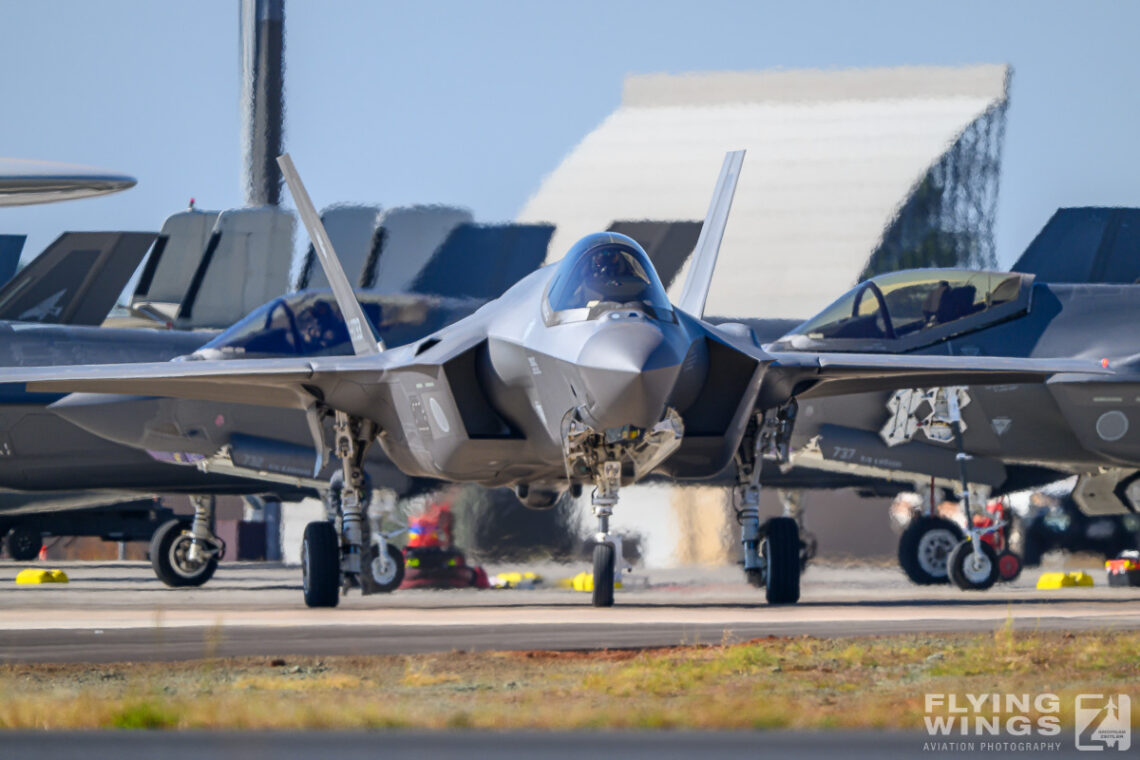
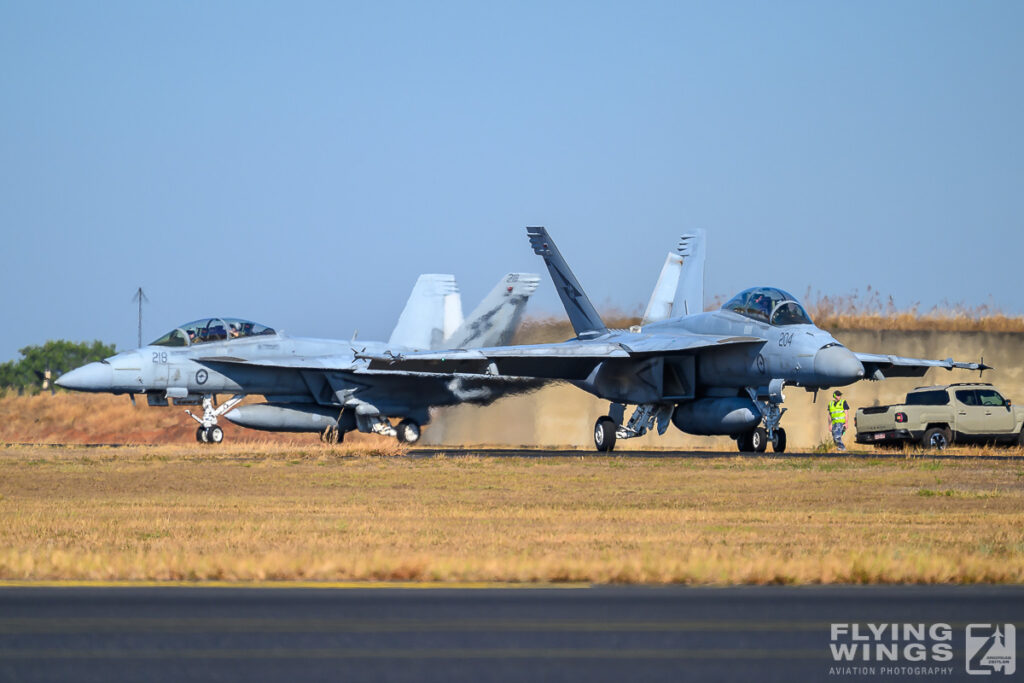
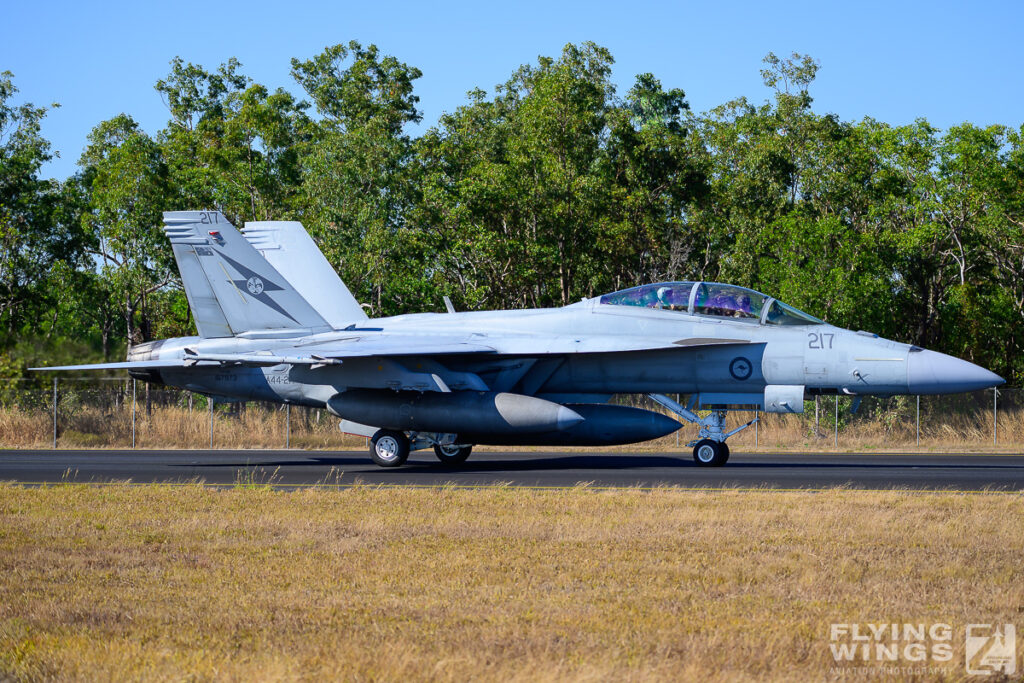
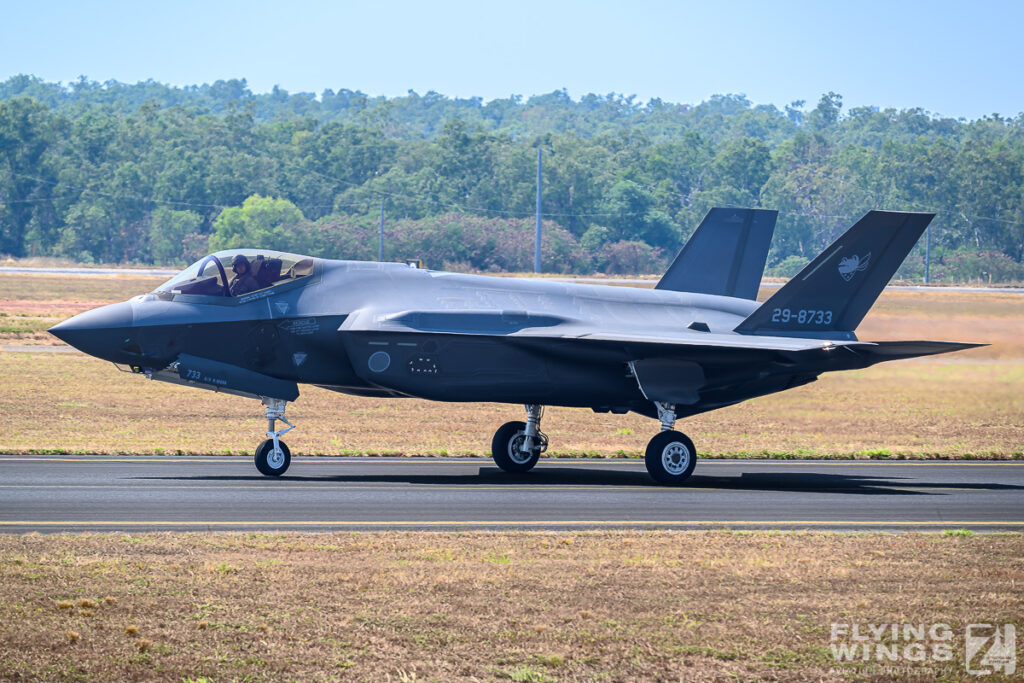
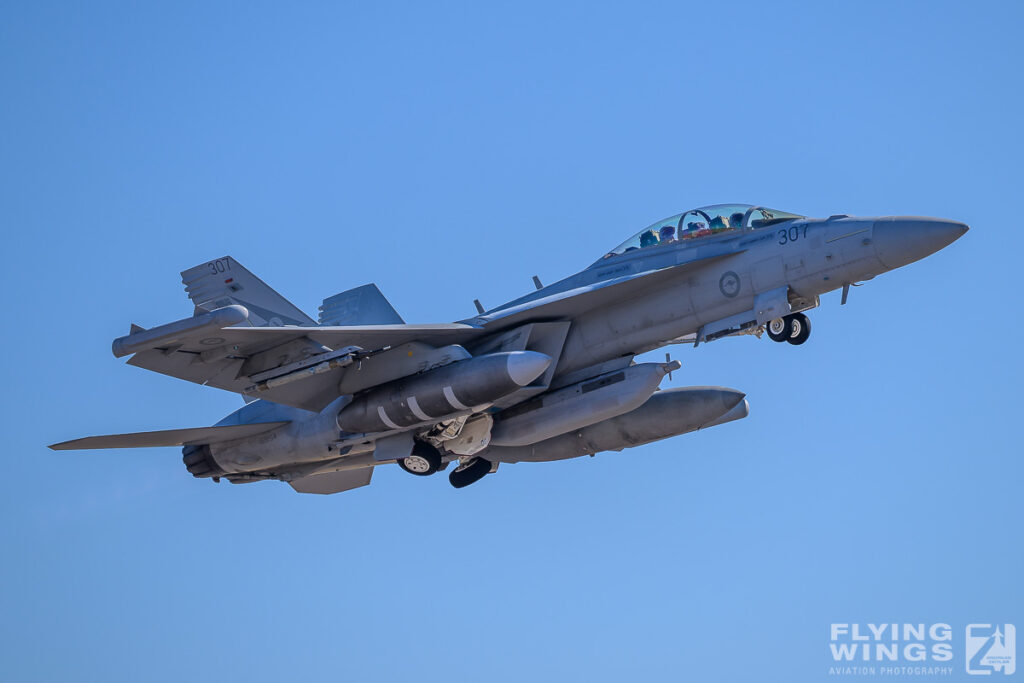
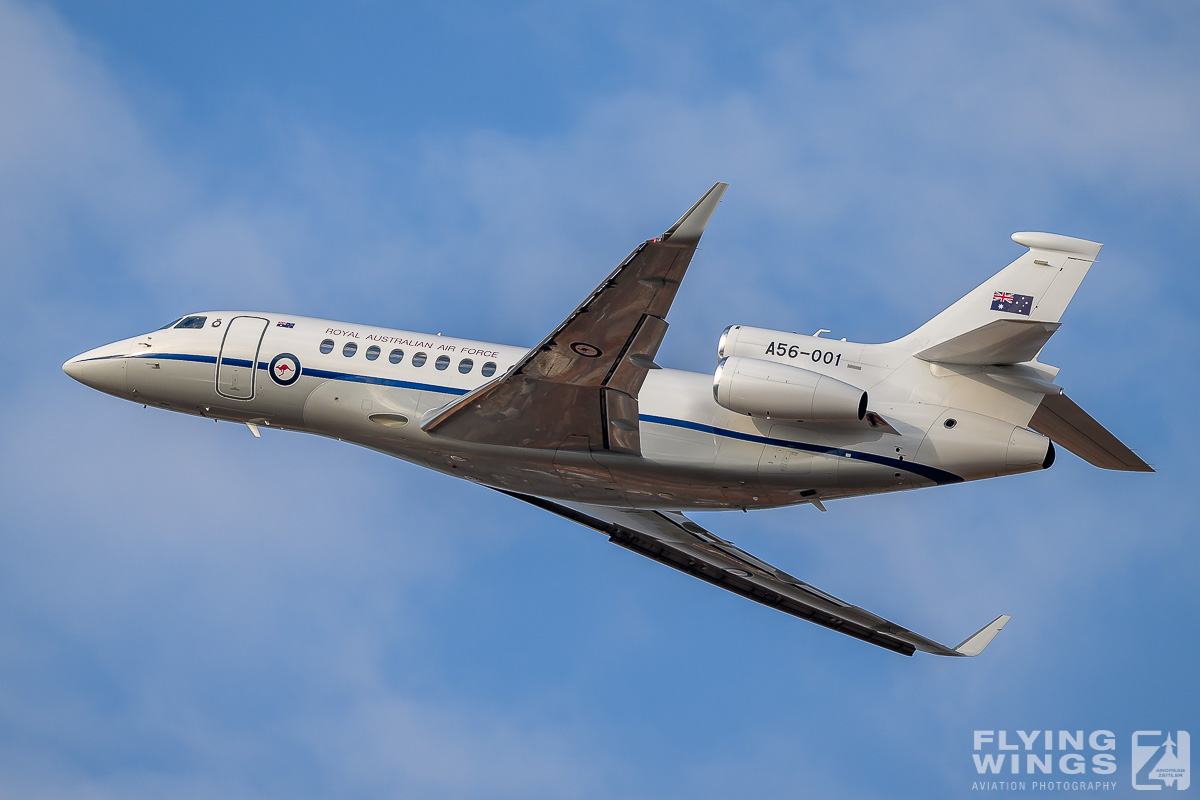
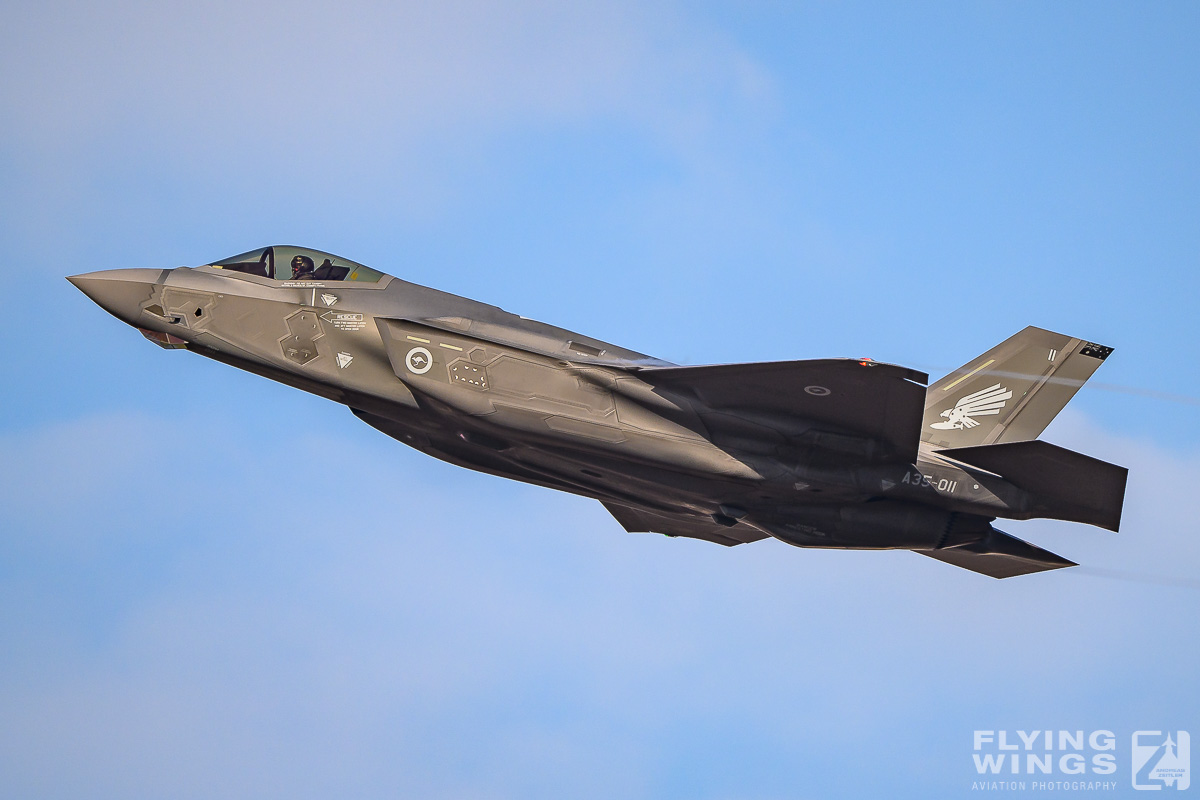
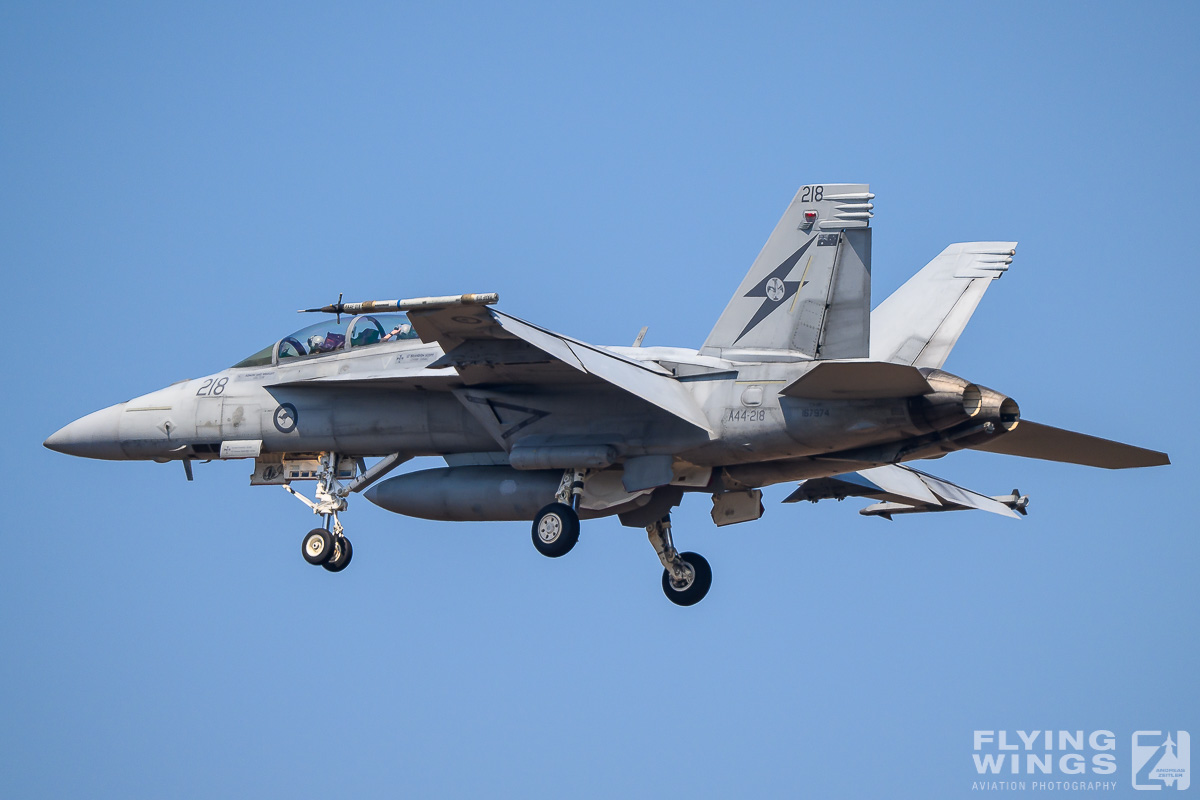
As host nation, Australia provided the broadest range of capabilities. The RAAF deployed F-35A Lightning II, F/A-18F Super Hornet and EA-18G Growler aircraft, supported by E-7A Wedgetail airborne early warning and control platforms, KC-30A Multi Role Tanker Transports, C-130J Hercules and C-27J Spartan transports.
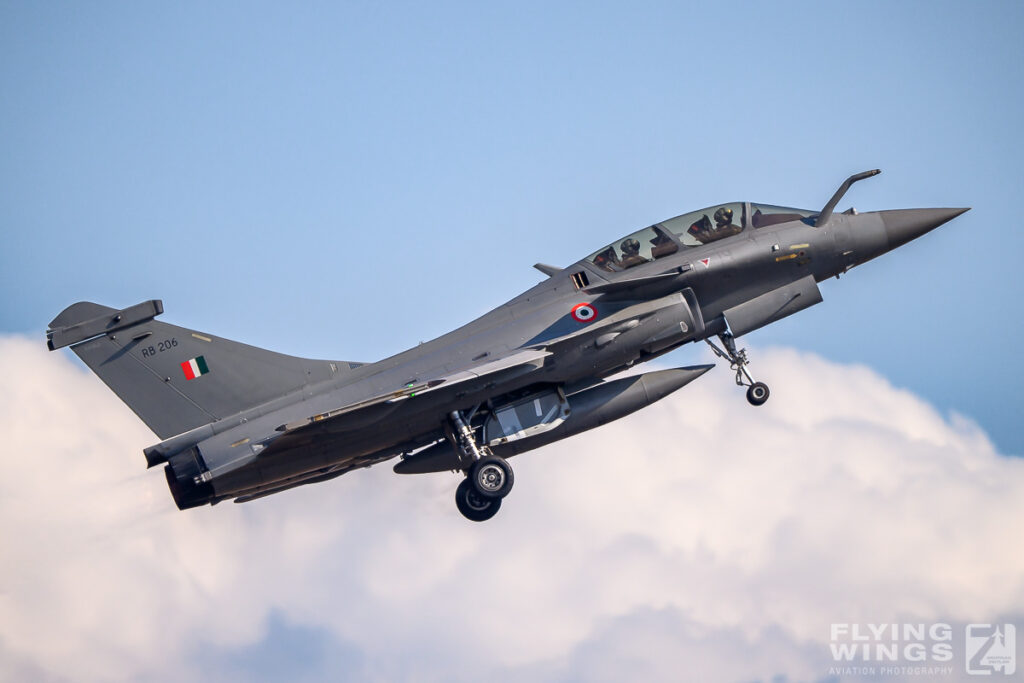
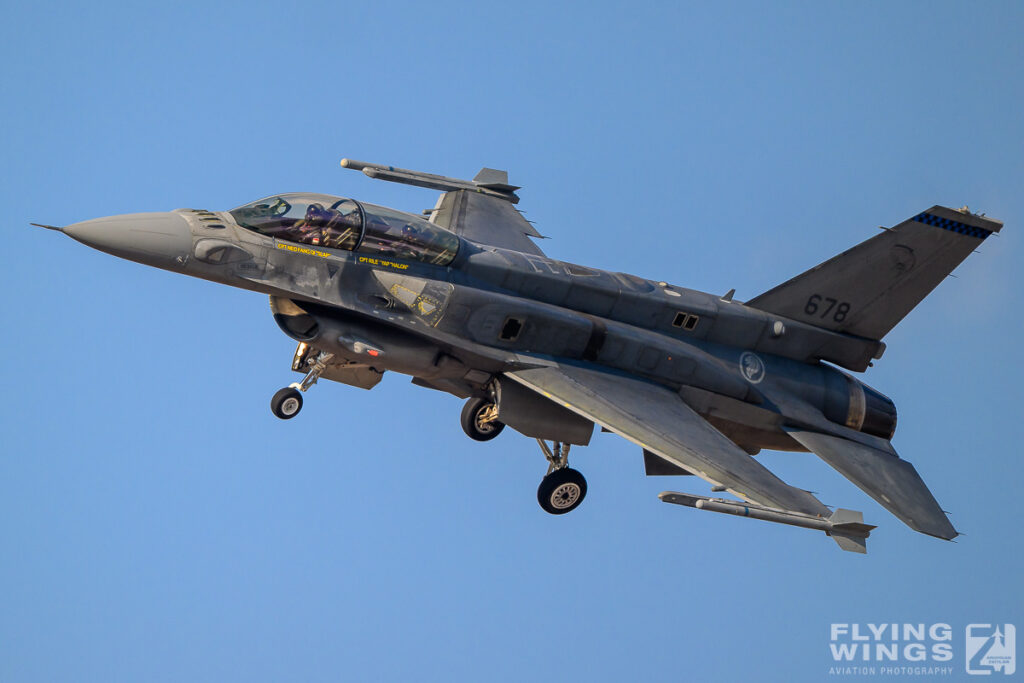
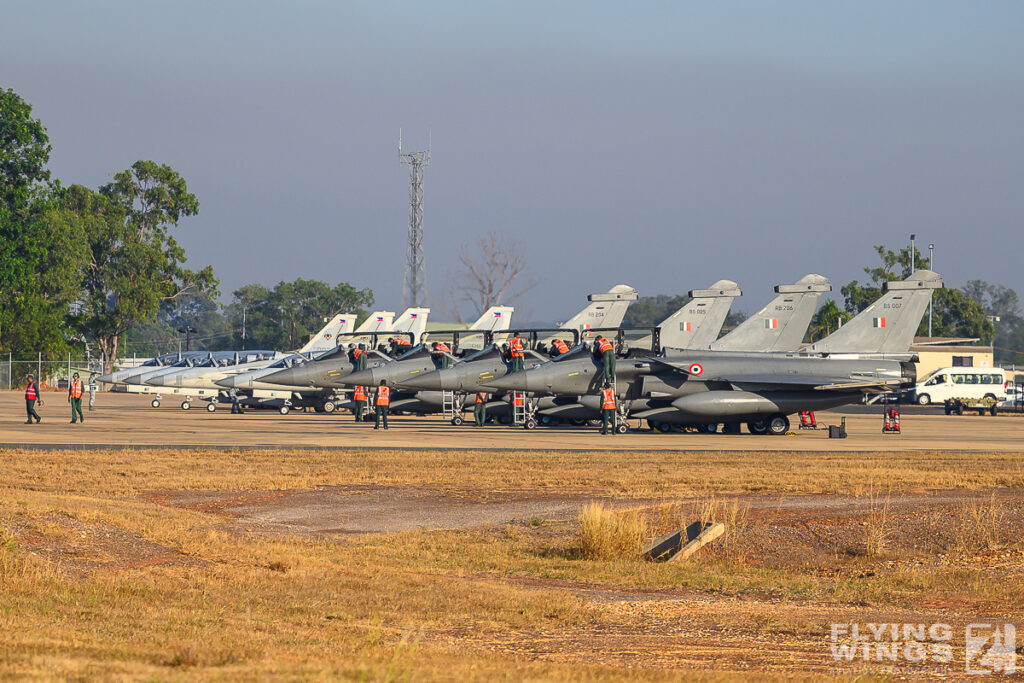
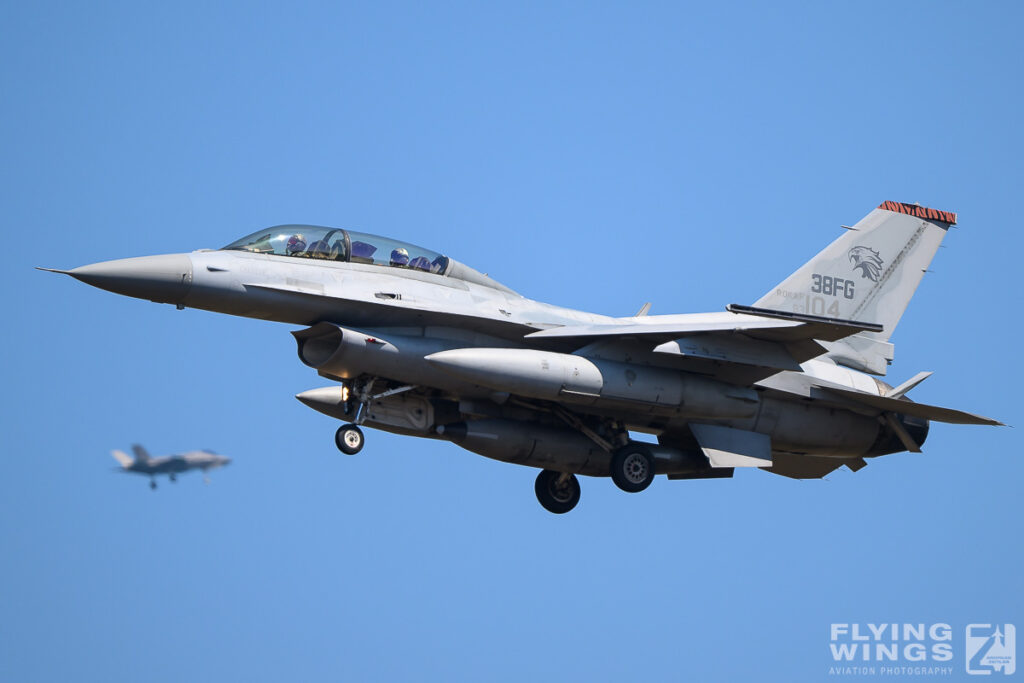
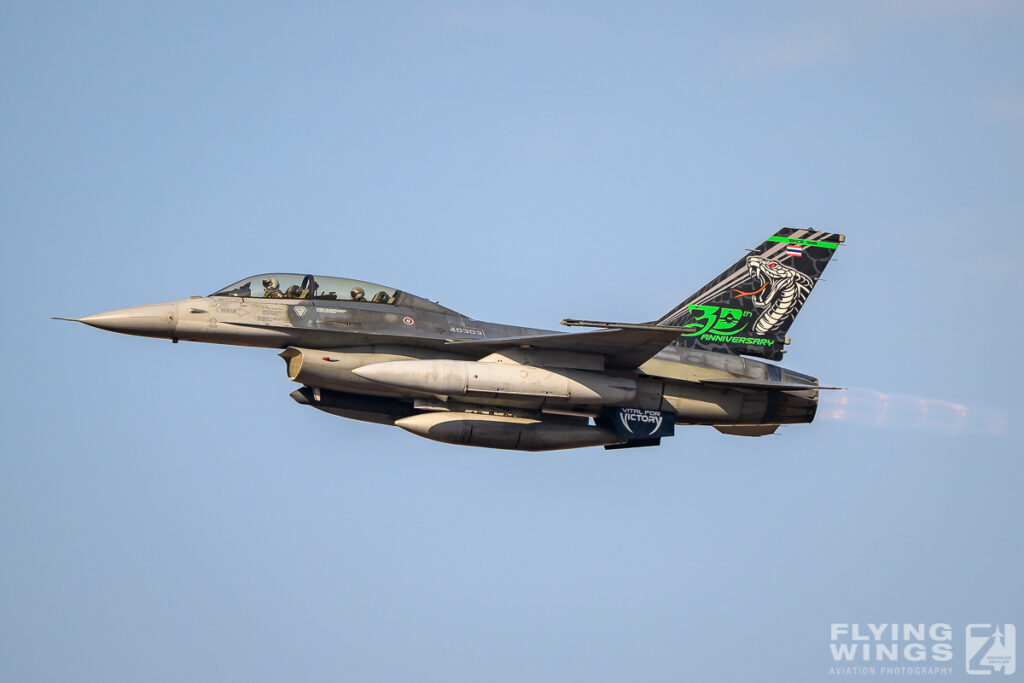
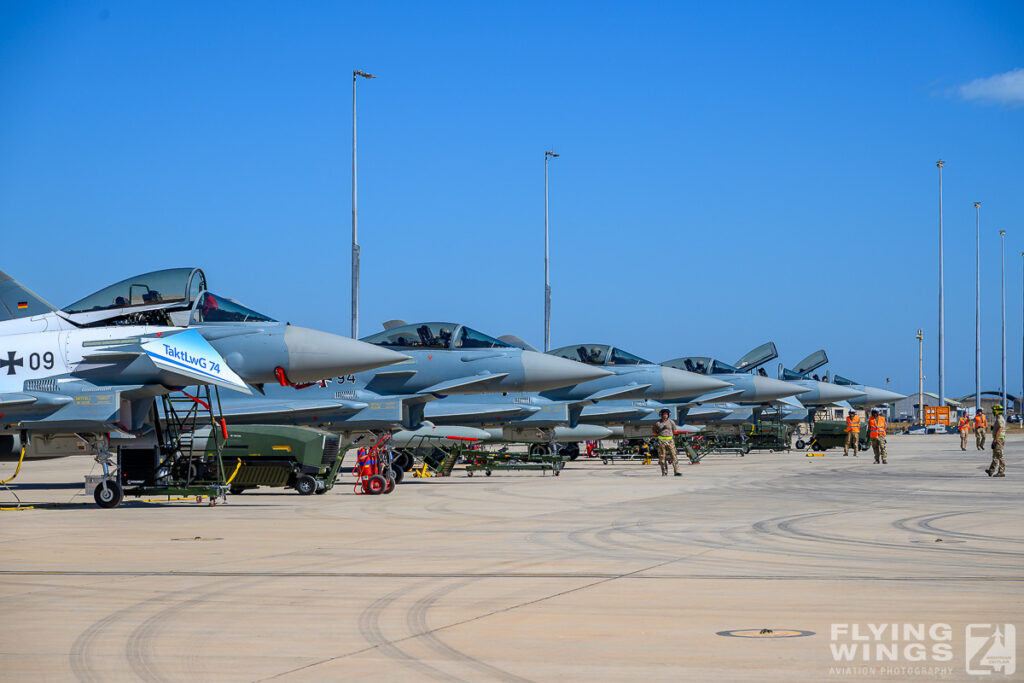
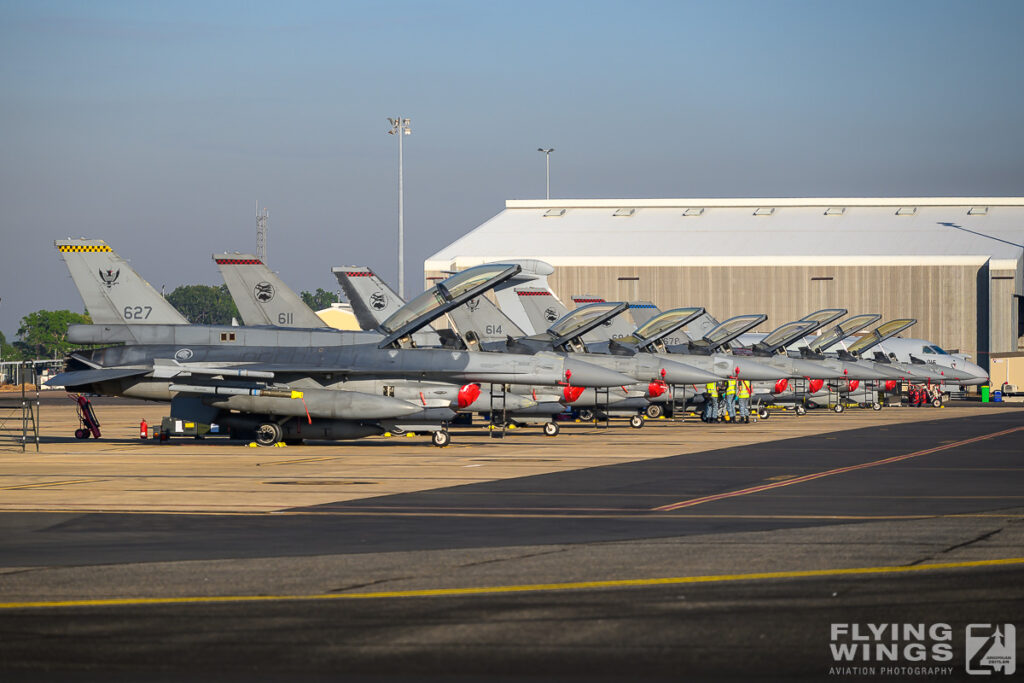
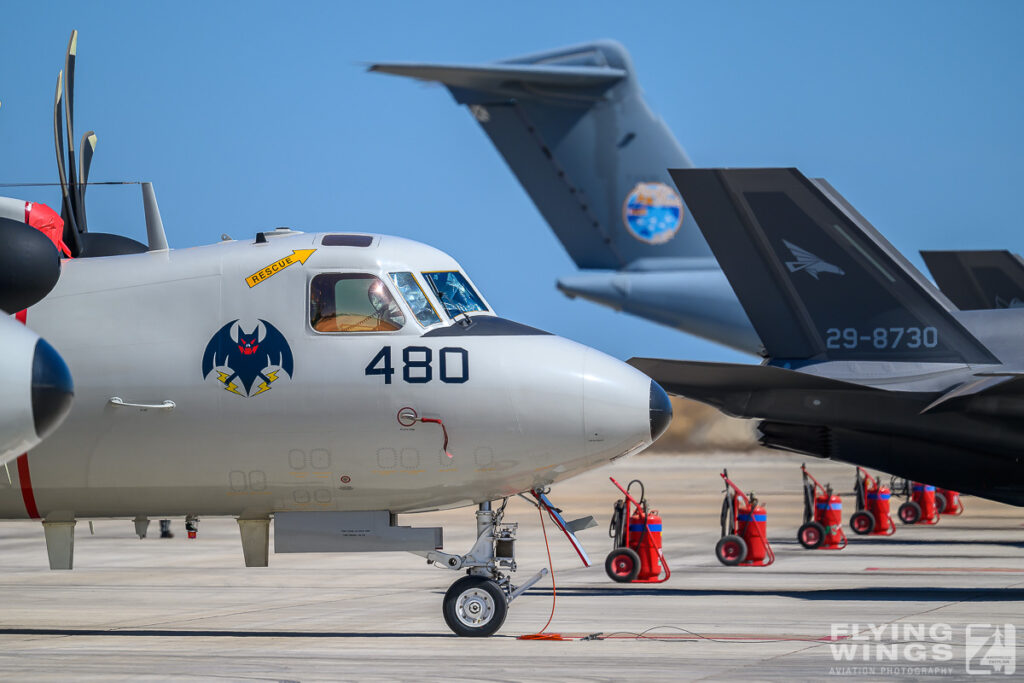
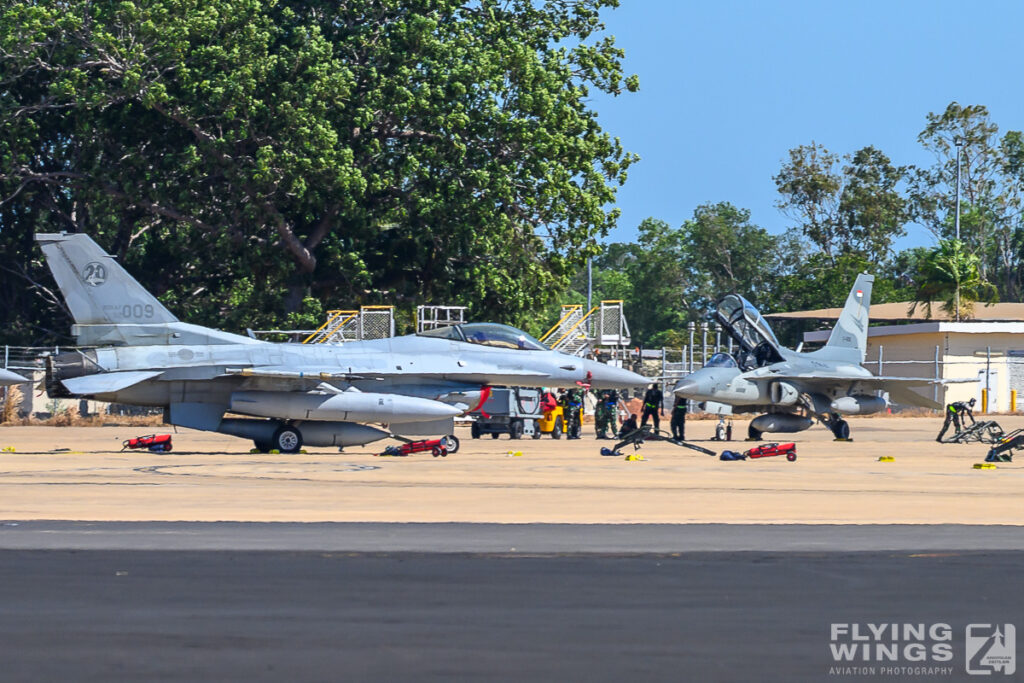
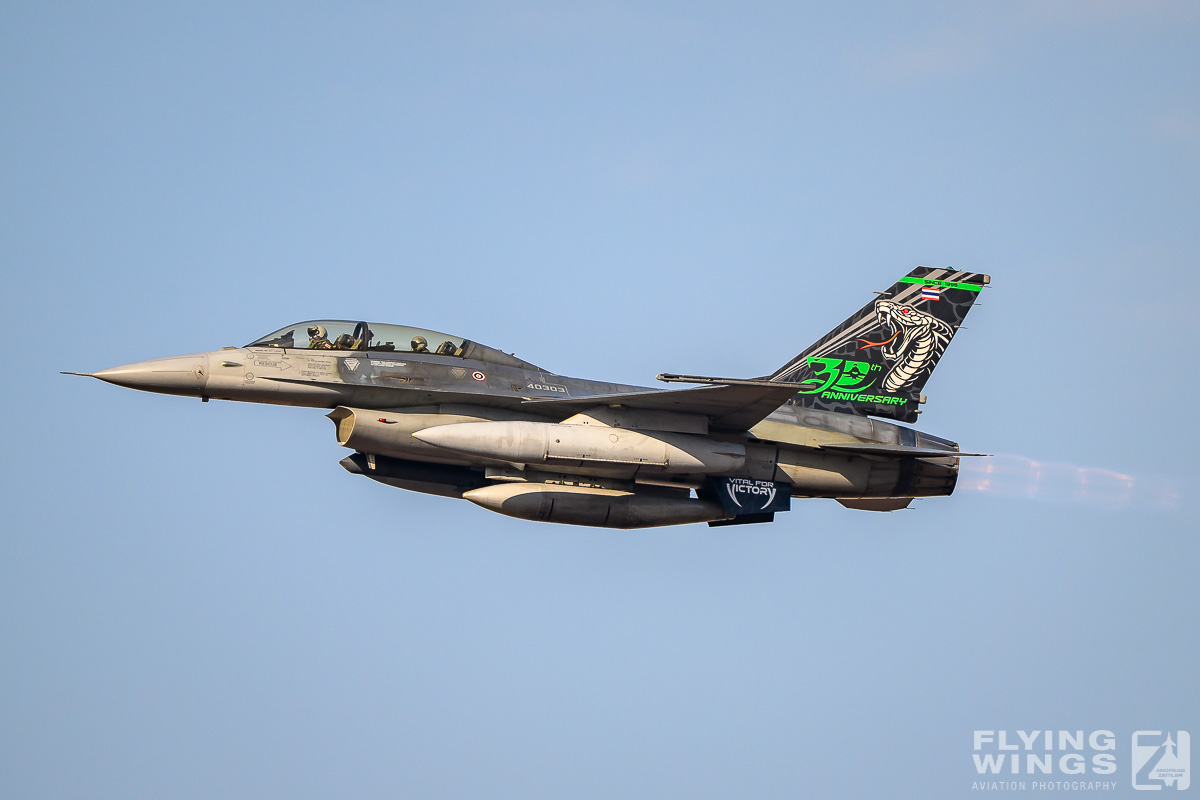
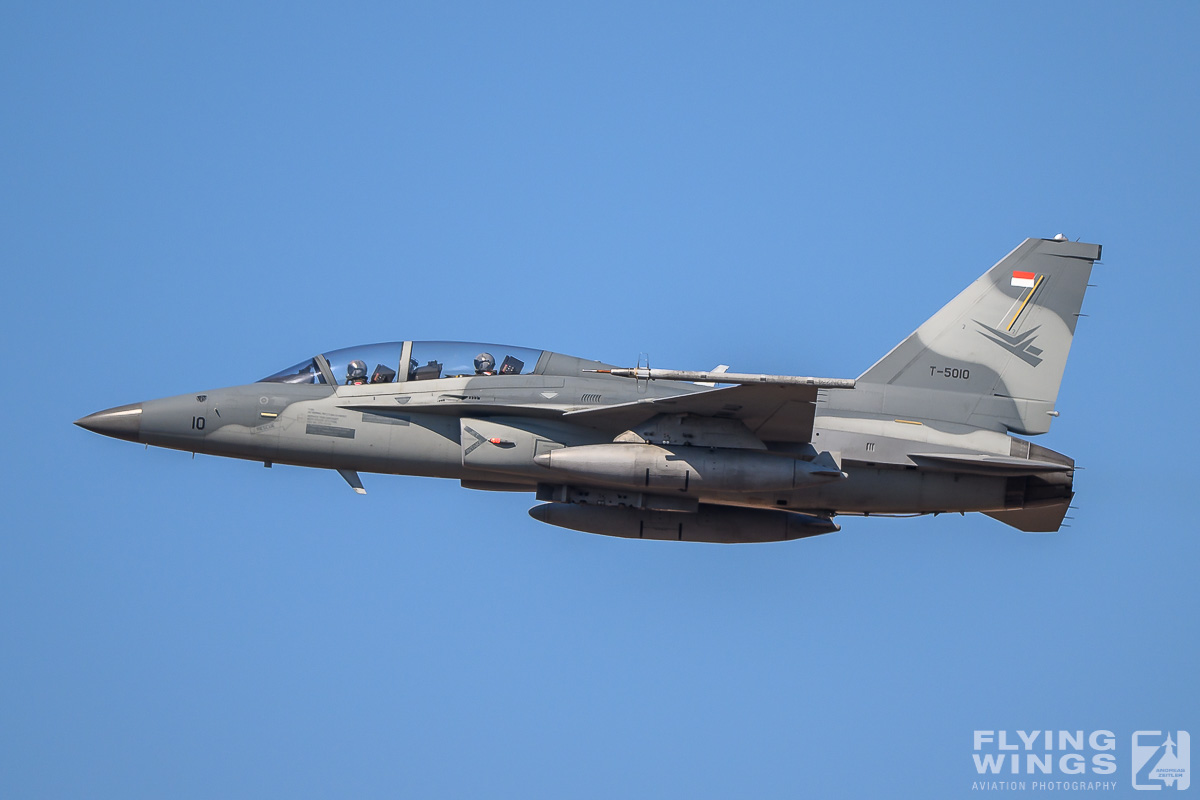
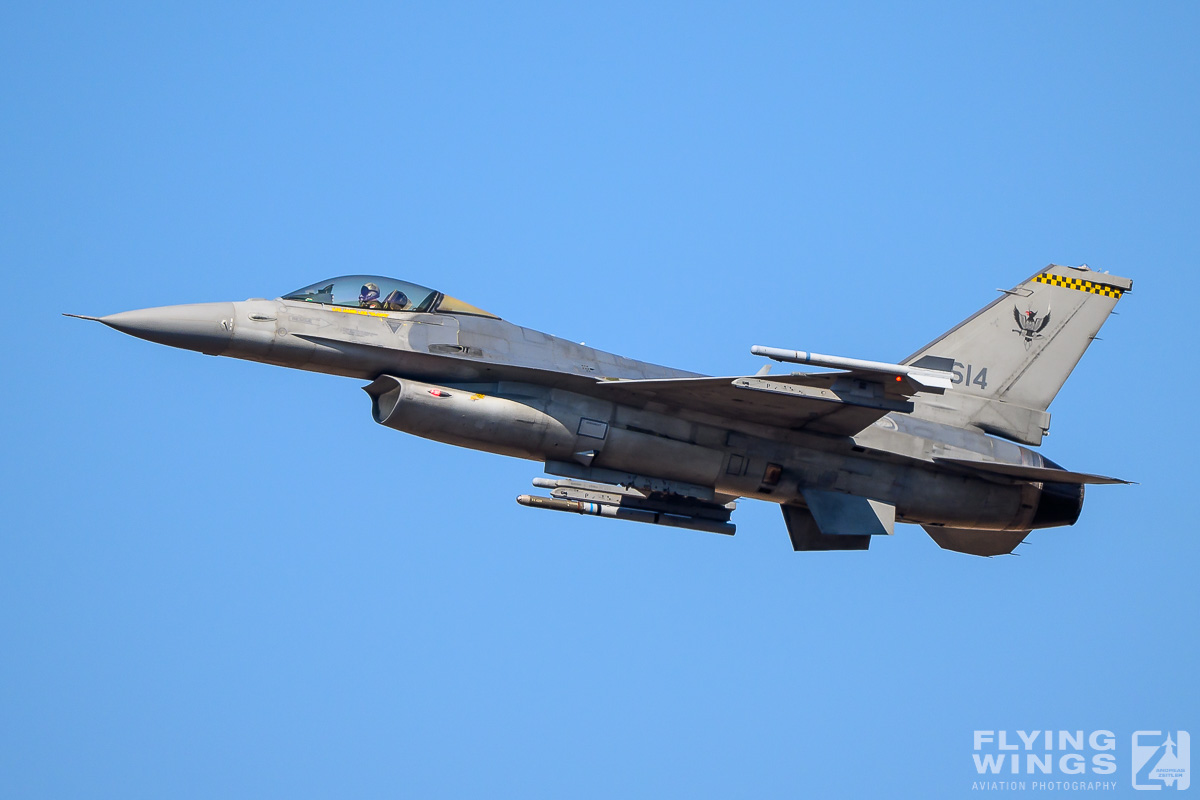
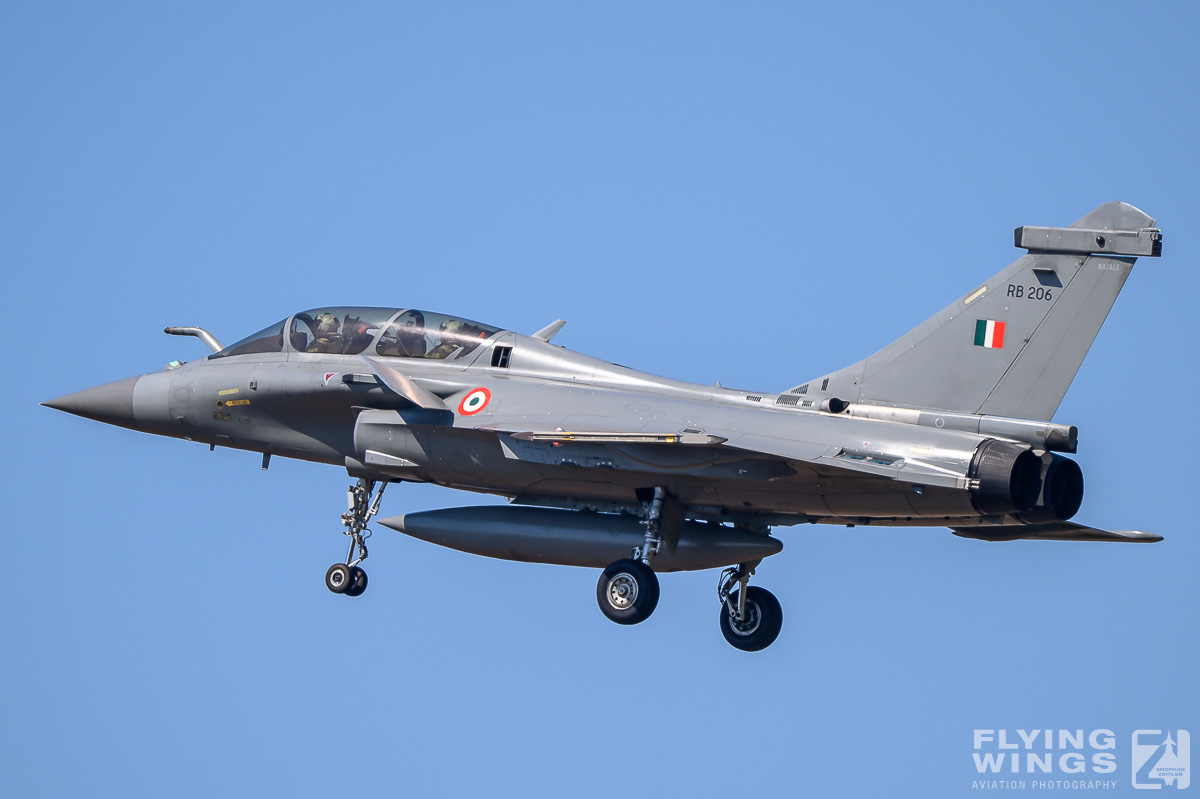
The United States Air Force brought F-35As, KC-135 Stratotankers and C-130Js, while Japan deployed F-35As and E-2D Hawkeyes. India participated with Dassault Rafales, Germany and Spain with Eurofighter Typhoons, the Republic of Korea with KF-16s and Singapore with F-16s. Indonesia’s T-50i Golden Eagles and the Philippine Air Force’s FA-50PHs added two members of the Korea Aerospace Industries T-50 family to the flying programme.
Selected Aircraft at Pitch Black 2026
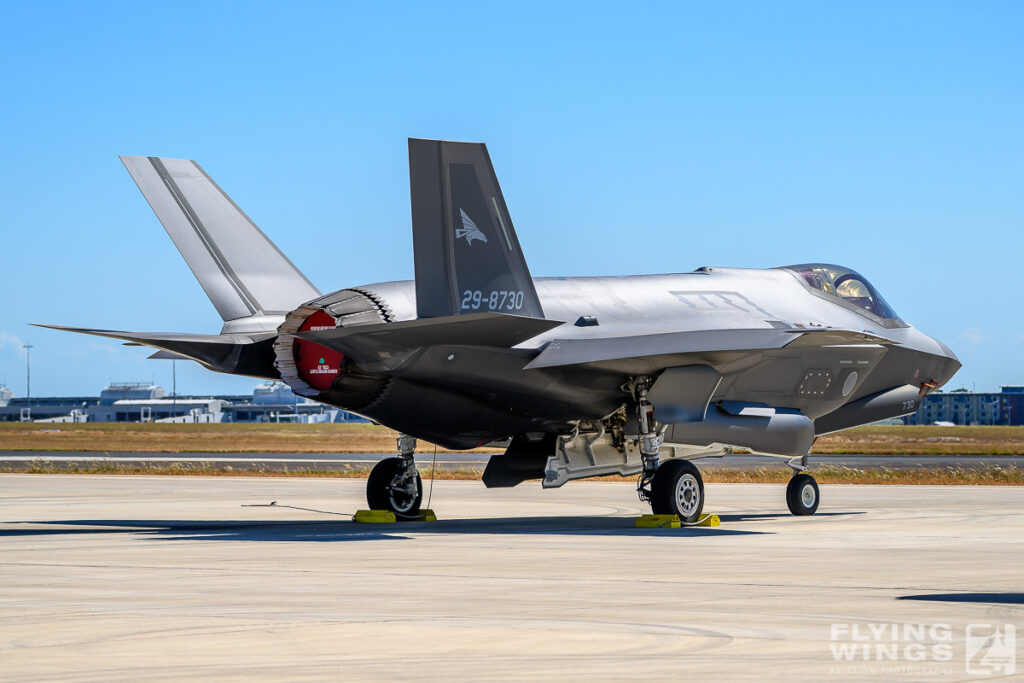
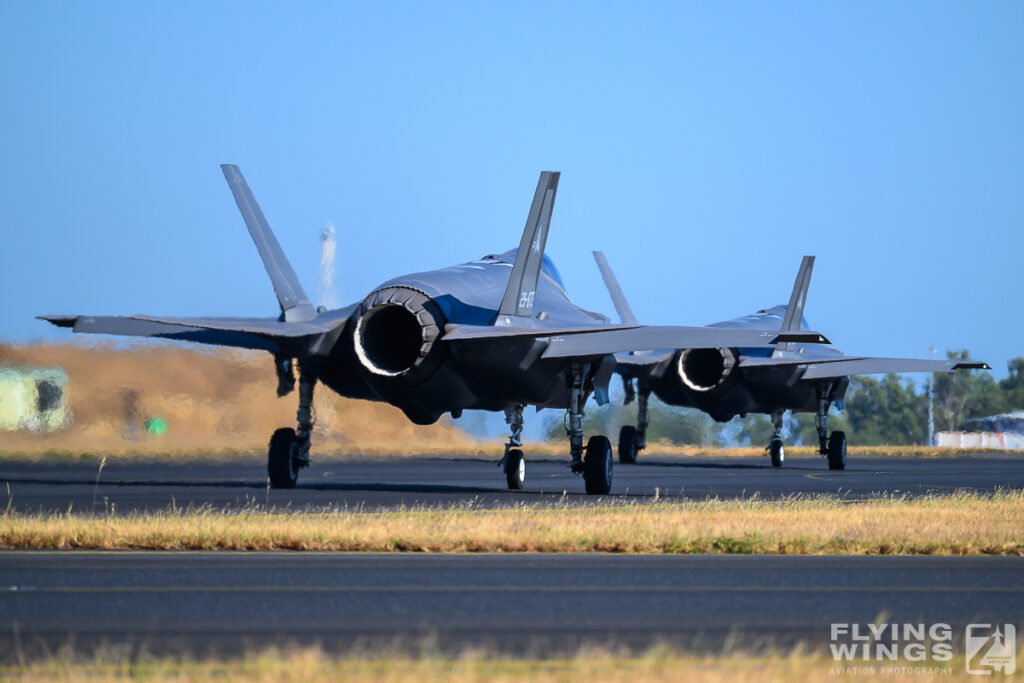
- F-35A Lightning II: Australia, United States and Japan
- F/A-18F Super Hornet and EA-18G Growler: Australia
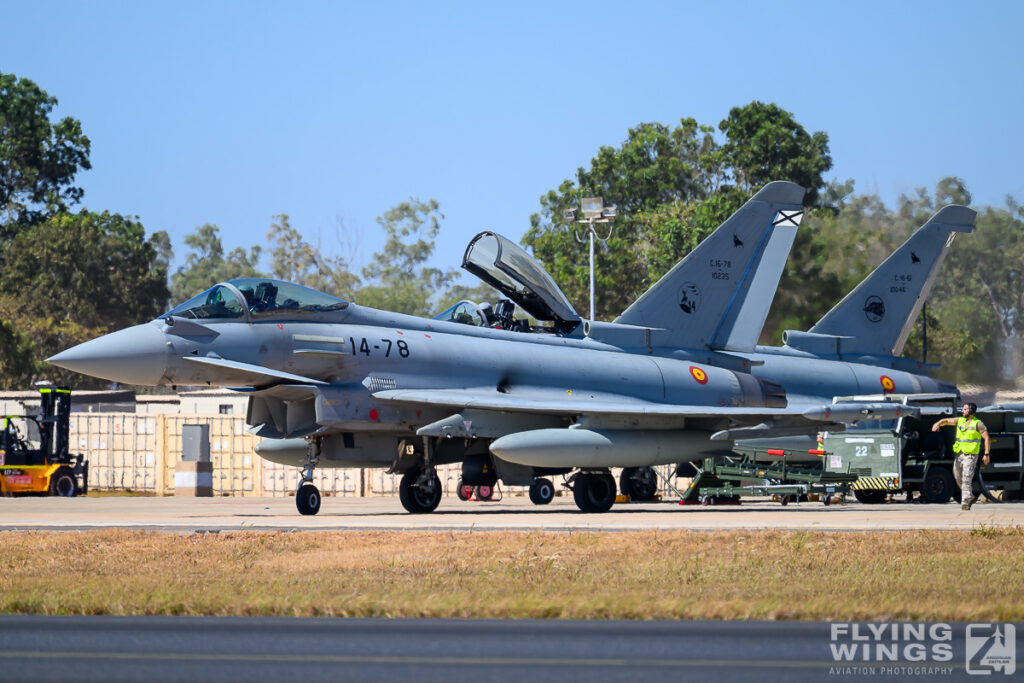
- Eurofighter Typhoon: Germany and Spain
- Dassault Rafale: India
- F-16 and KF-16: Singapore and the Republic of Korea
- T-50i Golden Eagle and FA-50PH: Indonesia and the Philippines
- E-7A Wedgetail and E-2D Hawkeye: Australia and Japan
- KC-30A, A330 MRTT, Voyager and KC-135: Multinational tanker force
Important Debuts for Japan and Indonesia
Several first-time deployments gave the 2026 exercise additional significance. The Japan Air Self-Defense Force participated with F-35A Lightning II fighters and two E-2D Hawkeye airborne early warning aircraft for the first time. Japanese F-35 crews could therefore train directly alongside Australian and American units, while the Hawkeyes operated in the same multinational environment as the RAAF’s larger E-7A Wedgetail.
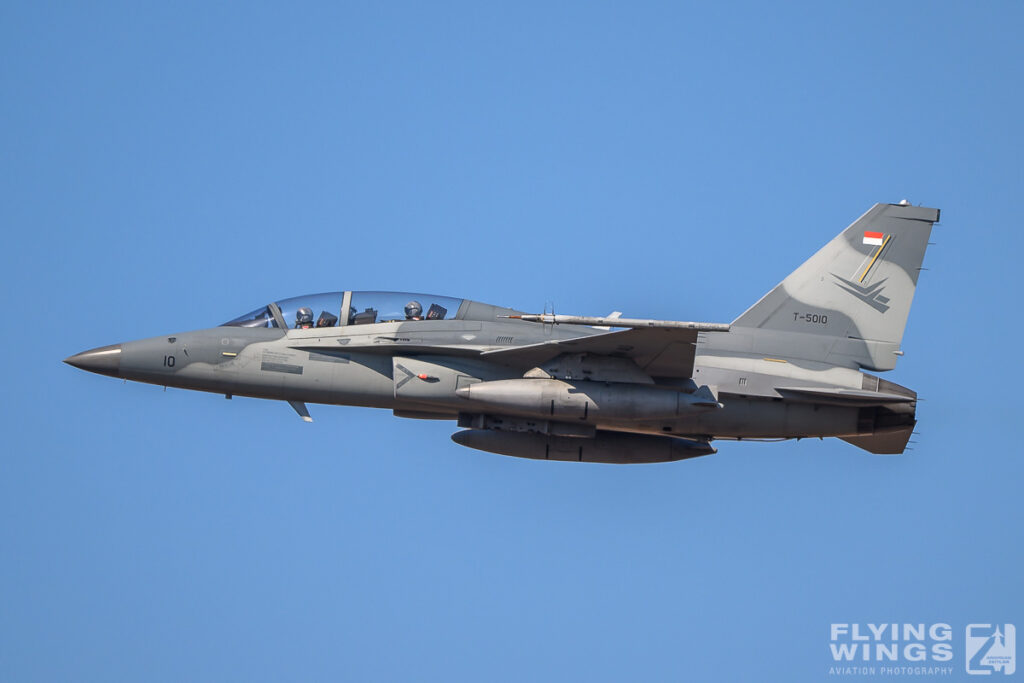
Indonesia also reached an important milestone with its first Pitch Black deployment of the T-50i Golden Eagle. Together with the Philippine FA-50PH, the aircraft demonstrated the growing role of comparatively light and cost-effective combat aircraft within regional air forces.
From Integration Training to Large-Scale COMAO Missions
The flying programme followed a progressive structure. Initial Force Integration Training sorties introduced common communications, mission-planning methods, formation standards and tactical terminology. Indonesian T-50i crews, for example, conducted Dissimilar Basic Fighter Manoeuvre training against Singaporean F-16Ds and Japanese F-35As before moving into larger multinational scenarios.
As the exercise progressed, individual engagements developed into Combined Air Operations involving offensive and defensive counter-air missions, suppression of enemy air defences, maritime strike, air interdiction and dynamic targeting. Aircraft from different nations were deliberately mixed within the same formations, requiring crews to apply shared procedures while exploiting the strengths of each platform.
What is a COMAO?
A Combined Air Operation brings fighters, electronic warfare aircraft, tankers, airborne early warning platforms and other supporting assets together under one mission plan. Each element fulfils a specialised role, while precise timing, reliable communications and a shared tactical picture determine the effectiveness of the complete package.
F-35, Growler, Wedgetail and Hawkeye
A central element of Pitch Black 2026 was the integration of fourth- and fifth-generation combat aircraft. The F-35A contributed advanced sensors, data fusion and a reduced radar signature, while Eurofighters, Rafales and other fourth-generation fighters offered high performance and substantial weapons-carrying capacity. Rather than competing against one another, the different generations performed complementary roles within the coalition force.
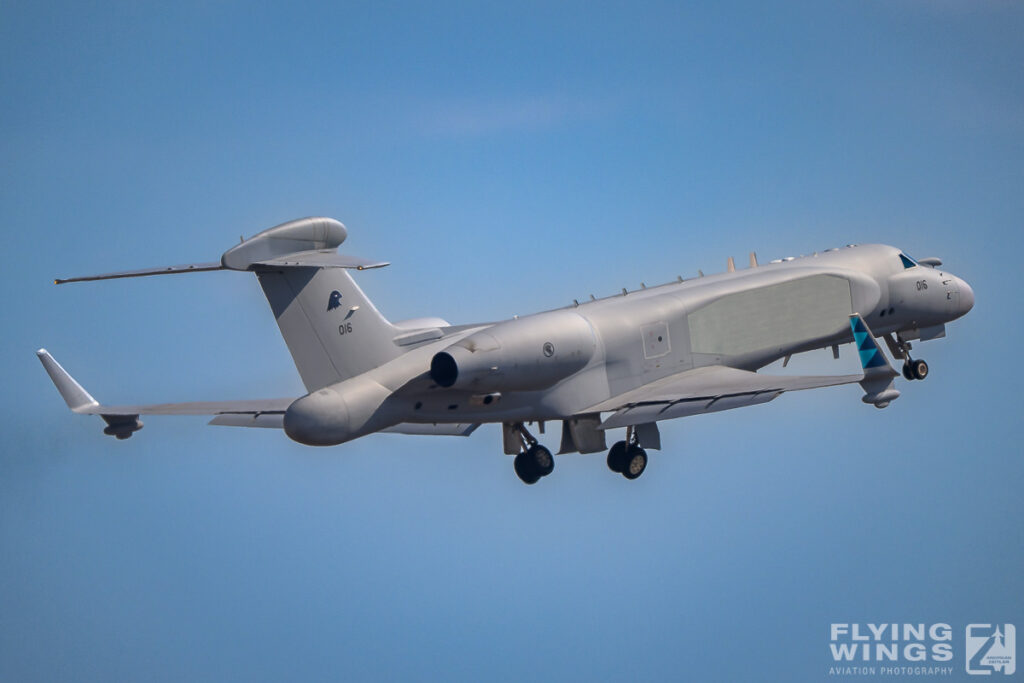
The RAAF’s EA-18G Growlers added a specialised electronic attack capability by detecting and disrupting simulated enemy radar and communications systems. By suppressing hostile sensors, they helped protect the wider formation and underlined the importance of controlling the electromagnetic spectrum.
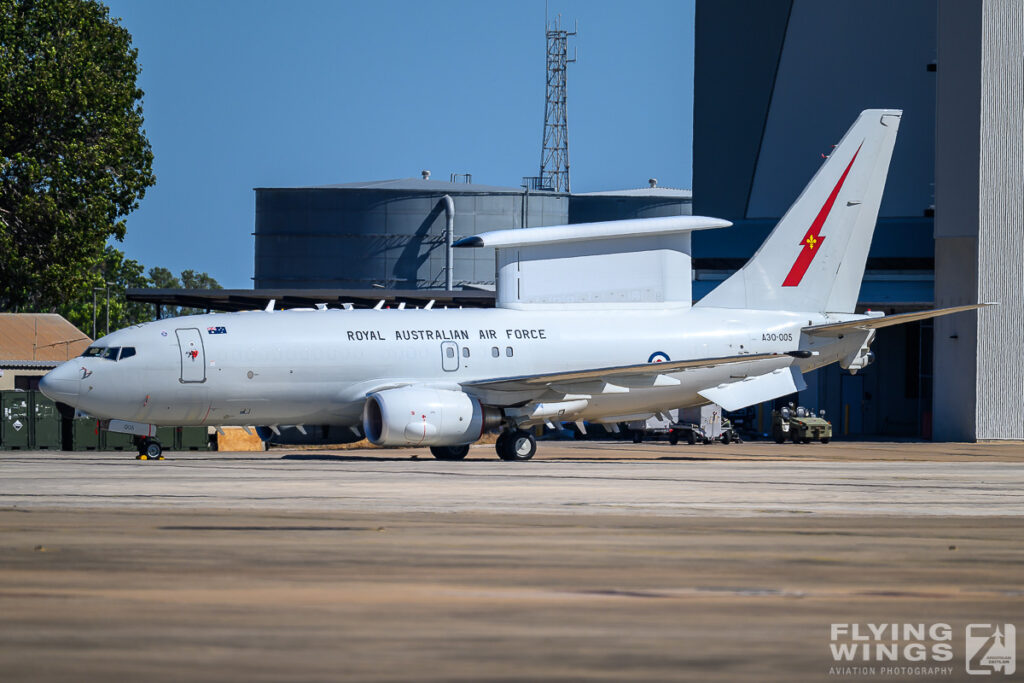
Above the exercise area, the E-7A Wedgetail maintained the wider air picture, coordinated multinational formations and distributed updated tactical information. Japan’s E-2D Hawkeyes provided a second airborne early warning capability, creating valuable opportunities to coordinate different command-and-control systems within the same mission.
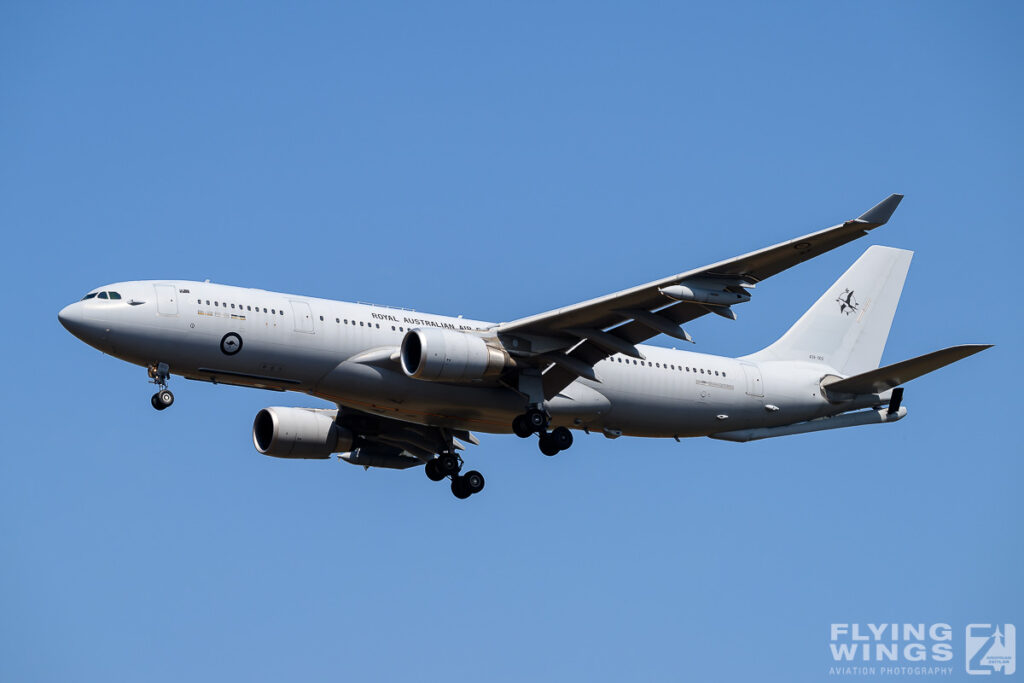
Tankers were equally essential. RAAF KC-30As, RAF Voyagers, Multinational MRTT Unit A330 MRTTs and USAF KC-135s extended mission endurance and allowed fighters to complete several phases without returning to base. Multinational refuelling also tested aircraft compatibility and common procedures for joining and leaving tanker formations.
Night Operations Remain at the Heart of Pitch Black
Despite the expansion into full-spectrum coalition operations, flying after sunset remained a defining feature of Pitch Black. Many of the largest missions took place at night, when crews conducted aerial refuelling, tactical navigation and coordinated attacks with fewer visual references and a higher workload.
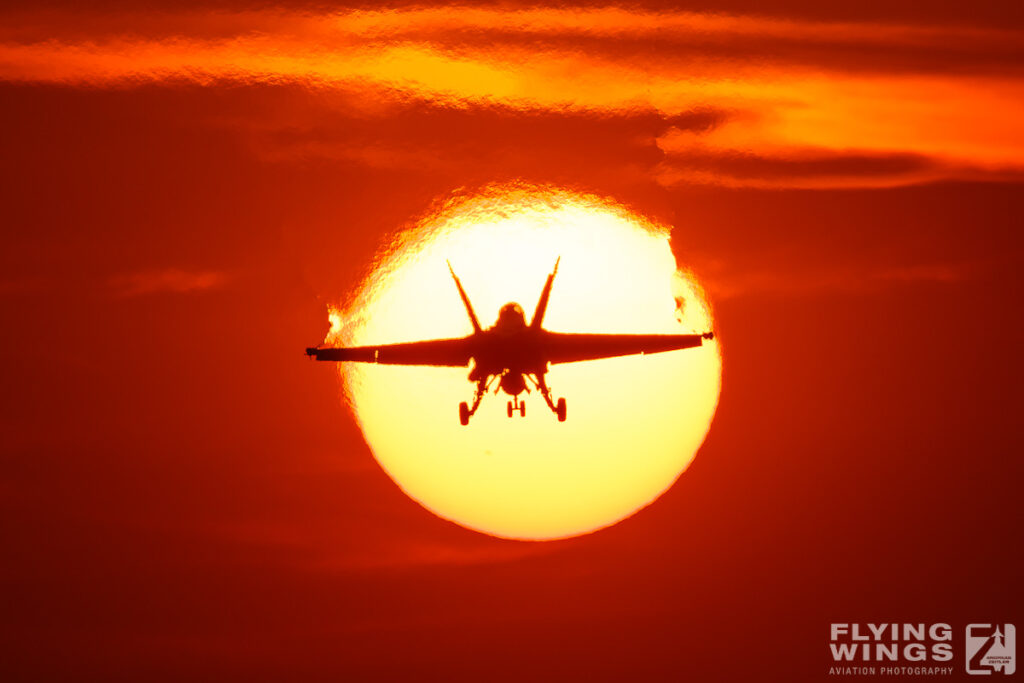

Modern sensors, night-vision equipment and data links have transformed night combat since 1983, but darkness still provides a demanding test of individual proficiency, mission timing and multinational coordination.
European Eurofighters Deploy to the Indo-Pacific
For Germany and Spain, Pitch Black began long before the first sortie from Darwin. Deploying Eurofighter Typhoons, personnel and support equipment to Australia required complex route planning, diplomatic clearances, technical support and repeated aerial refuelling. The security situation in the Middle East further complicated the journey, forcing planners to use longer southern transit routes.

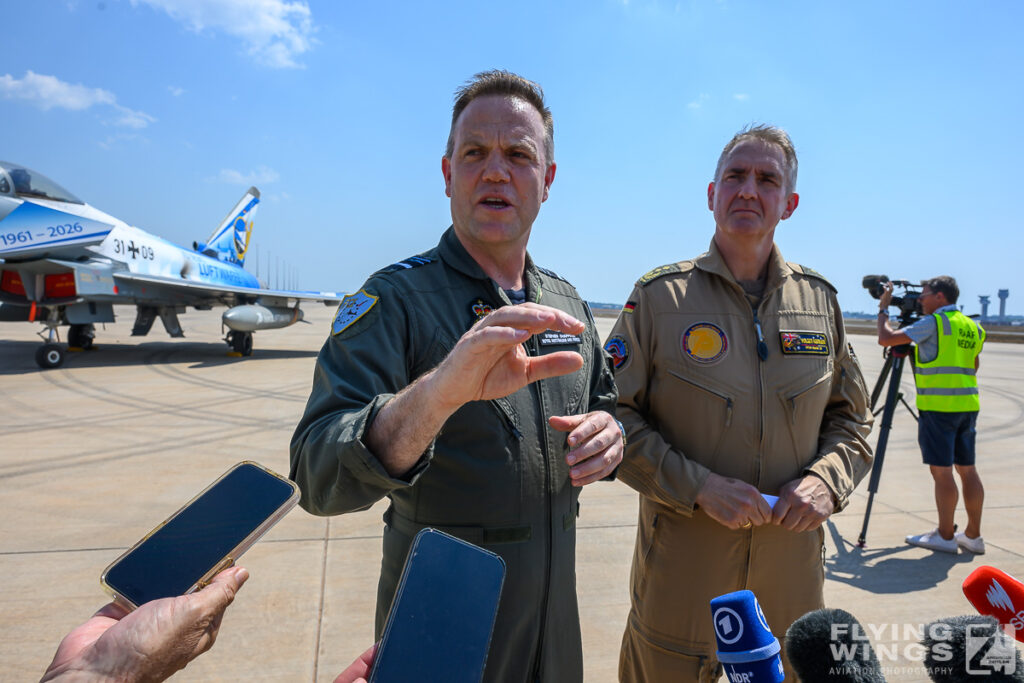
The deployment sends a strong signal to our partners in the Indo-Pacific.
Lieutenant General Holger Neumann, Chief of the German Air Force
Airbus A330 MRTTs from the Multinational MRTT Unit created an aerial refuelling bridge to Australia. Beyond the exercise itself, the deployment demonstrated the ability of European air forces to move and sustain combat aircraft over intercontinental distances.
Neumann stressed that the Luftwaffe’s participation complemented rather than replaced Germany’s NATO commitments. It combined expeditionary training with closer military relations with Australia and other regional partners.
Interoperability Is the Central Objective
Interoperability extends far beyond formation flying. It includes compatible communications, shared terminology, common planning processes, technical standards, aerial refuelling procedures and an understanding of how partner nations make operational decisions. Training together also builds the personal trust needed to integrate quickly during a future coalition operation.
Interoperability is the central objective of Pitch Black.
Air Marshal Stephen Chappell, Chief of the Royal Australian Air Force
The logistics behind the exercise formed part of that training. Moving more than 100 aircraft and around 2,500 personnel to Australia—and sustaining them across several bases for three weeks—tested strategic mobility, maintenance, spare-parts supply and sortie generation as thoroughly as the flying programme tested the aircrews.
Why Exercise Pitch Black 2026 Matters
Pitch Black has become one of Australia’s most important instruments for military cooperation in the Indo-Pacific. For the RAAF, the 2026 edition demonstrated the ability to host and lead multinational air operations on a scale few countries can reproduce. For international participants, it offered exceptional training airspace and access to aircraft and capabilities they rarely encounter at home.
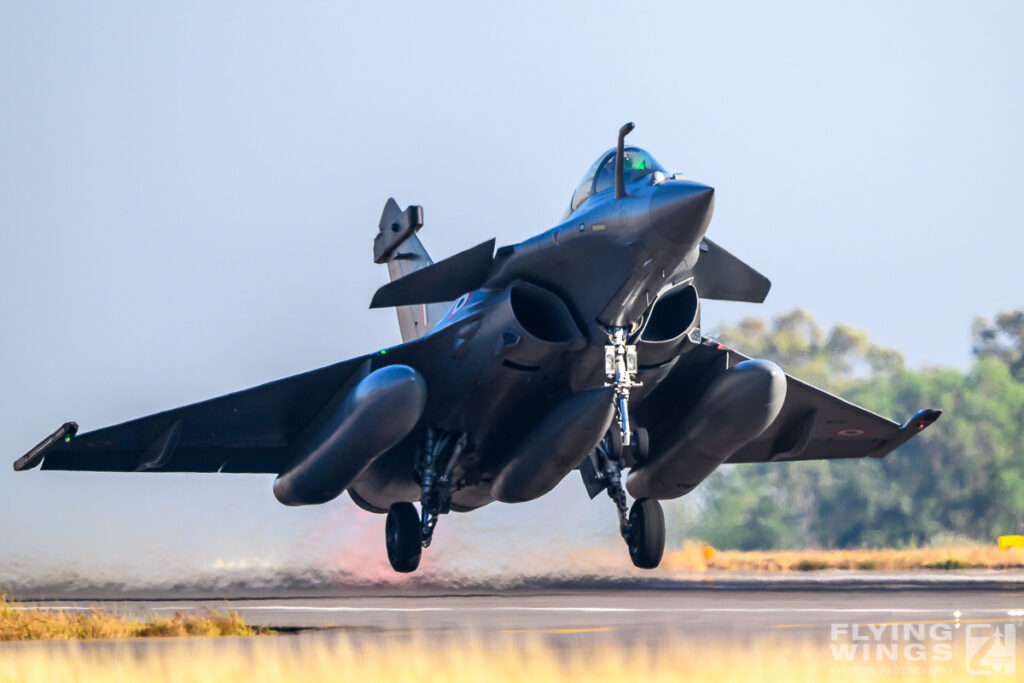
More than four decades after its first edition, Pitch Black has evolved from a national night-flying activity into a benchmark multinational air combat exercise. Its 2026 edition showed that modern air power depends not only on advanced fighters, but also on information sharing, electronic warfare, airborne command and control, aerial refuelling and logistics.

With more than 100 aircraft and participants from 21 nations, Exercise Pitch Black 2026 provided realistic operational training while strengthening long-term defence relationships across one of the world’s most strategically important regions.
Photography Guide: Spotting Pitch Black at Darwin
Exercise Pitch Black is one of the world’s leading opportunities for military aviation photography. The first week generally offers the most daylight activity; during the second and third weeks, flying progressively shifts towards night operations.
At Darwin International Airport (YPDN), photographers mainly use one position for departures and two locations for arrivals from the east or arrivals from the west. The best position depends on the runway direction, which often changes after midday as the wind shifts.
Morning usually provides the cleanest light. A highlight comes with the recovery of the final afternoon mission, when the setting sun aligns almost perfectly with the runway and returning aircraft descend into the golden light. A 600 mm lens should be considered the minimum, while 800 mm or more is useful for smaller aircraft such as the T-50i and FA-50PH.
Bring plenty of water and sunscreen: even during the dry season, temperatures regularly exceed 30°C (86°F), humidity can remain high and the photography locations around Darwin Airport offer little natural shade.
Pitch Black 2026 Photo Gallery






You May Also Like

Inside Engels Airbase – Russia’s Strategic Aviation Powerhouse

Luftwaffe unveils stunning space-themed Tornado for its 70th anniversary
